News & Community eLanka

eLanka

Tuesday, 28 Jul 2026
  • Home
  • Read History
  • Articles
    • eLanka Journalists
  • Events
  • Useful links
    • Obituaries
    • Seeking to Contact
    • eLanka Newsletters
    • Weekly Events and Advertisements
    • eLanka Testimonials
    • Sri Lanka Newspapers
    • Sri Lanka TV LIVE
    • Sri Lanka Radio
    • eLanka Recepies
  • Gallery
  • Contact
Newsletter
Sri lankan news
  • eLanka Weddings
  • Property
  • eLanka Shop
  • Business Directory
eLankaeLanka
Font ResizerAa
Search
  • Home
  • Read History
  • Articles
    • eLanka Journalists
  • Events
  • Useful links
    • Obituaries
    • Seeking to Contact
    • eLanka Newsletters
    • Weekly Events and Advertisements
    • eLanka Testimonials
    • Sri Lanka Newspapers
    • Sri Lanka TV LIVE
    • Sri Lanka Radio
    • eLanka Recepies
  • Gallery
  • Contact
Follow US
© 2005 – 2026 eLanka Pty Ltd. All Rights Reserved.
Home » Goodnews Stories Srilankan Expats » Articles » Some signs of iron deficiency or anaemia in the body
ArticlesDr Hector Perera

Some signs of iron deficiency or anaemia in the body

admin
Last updated: May 20, 2017 5:56 pm
By
admin
Share
6 Min Read
SHARE
Views: 46

Some signs of iron deficiency or anaemia in the body

Dr Hector Perera London
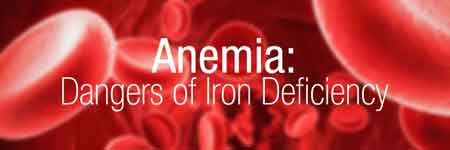
People just and drink but sometimes do not care if they are eating healthy food. Iron is an important element in the blood. Each haemoglobin protein is made up subunits called hemes, which are what give blood its red colour. More specifically, the hemes can bind iron molecules, and these iron molecules bind oxygen. The blood cells are red because of the interaction between iron and oxygen.

Some signs of iron deficiency

Some people easily feel tiredness and lack of energy and this might be a sign of lack of iron in your blood, further they might experience short breath and heart palpitations, dizziness pale skins. Not only these signs there are few others such as, these symptoms, unusual weakness and fatigue, poor concentration, brittle nails, recurrent infections, breathlessness and always feeling cold. If anyone shows these kinds of signs, it is better to consult your doctor to check about the iron deficiency.

There are plenty of food that are rich in iron

Red meat, pork and poultry, seafood and beans. People always eat vegetables such as spinach which is a rich source of iron. Then the dried fruits, such as raisins and apricots. Iron-fortified cereals, breads, pastas and peas. There are plenty of food other than the above list, that include clams, liver, sunflower seeds, nuts, beef, lamb, beans, whole grains, dark leafy greens (spinach), dark chocolate, and tofu. Tofu is a food made of condensed soy milk that is pressed into solid white blocks. It originated in China, and the process is quite similar to how cheese is made.

Why iron is important

Iron is an essential mineral used to transport oxygen to all parts of the body. A slight deficiency in iron causes anemia (fatigue/weakness), and a chronic deficiency can lead to organ failure. Conversely, too much iron leads to production of harmful free radicals, and interferes with metabolism, causing damage to organs like the heart and liver. So one cannot ignore the iron deficiency in the body. How about some more food that are rich in iron. Squash and Pumpkin Seeds, Liver (Chicken), Seafood (Oysters, Mussels, Clams), Nuts (Cashew, Pine, Hazelnut, Peanut, Almond), beef and Lamb (Lean Chuck Roast), beans and pulses (White Beans, Lentils).

There is a place called “Bataleeya” along Kandy Colombo road that sells nothing but cashew nuts. As an additional attraction, they are sold by local beauties called “Kaju kello”. One cannot tend to forget to miss the place if you travel by car or by bus because of the special fragrance of the roasted cashew nuts.

As mentioned above, iron is an essential nutrient, without iron, blood cells have difficulty in transporting oxygen to your muscles and cells, and you may easily become fatigued.

Why not learn how to increase your body’s ability to absorb iron.

The human body typically absorbs iron from dietary sources. In order to absorb the iron, you must consume it through food or supplements. Vegetarians, young children, pregnant women, and individuals with certain chronic illnesses may be at increased risk for poor iron absorption or inadequate iron levels. Certain foods are naturally high in iron and can be regularly incorporated into the diet to increase the amount of iron you absorb. Even vegetarians who eat high quantities of fortified grains and iron-rich vegetables can still suffer from iron deficiencies. The form of iron found in plants is more difficult for the body to absorb, but combining them with foods or drinks that contain vitamin C can increase absorption levels.

Taking Iron Supplements

Speak with a health professional about iron supplements. Iron needs vary during different stages of life and for men and women. Young children, adolescents experiencing growth spurts, menstruating women, and pregnant women often have elevated iron needs. Many infants are given iron supplements or fed iron-fortified formula to achieve adequate iron levels. Anaemic individuals or people taking antacids also may require iron supplements to ensure adequate intake. Your doctor can help you decide whether you need additional iron supplements.

In most cases, adequate iron intake can be achieved through the diet or through a standard multi-vitamin. Pregnant women taking prenatal vitamins may already be receiving iron supplementation.

Get tested for iron deficiency. In many cases, a simple blood test can give immediate feedback on your current iron levels and alert you to a potential deficiency. To confirm an actual deficiency or anaemia, additional blood tests must be conducted. These can help determine whether the deficiency is caused by inadequate intake or another medical condition. The people most at risk of iron deficiency are pregnant women, infants and young children, women with heavy menstrual bleeding, frequent blood donors, and people with cancer, gastrointestinal disorders, or heart failure. People who live in developing countries are also at higher risk. Your comments are welcomed perera6@hotmail.co.uk


TAGGED:iron deficiencySome signs of iron deficiency or anaemia in the body
Share This Article
Facebook Whatsapp Whatsapp LinkedIn Email Copy Link Print
Previous Article Sri Lanka Team Departure for Champions Trophy 2017
Next Article Health tip for the Day by Dr harold What is Nitric Oxide?
FacebookLike
YoutubeSubscribe
LinkedInFollow
- Advertisement -
Luxury Apartments & An Exclusive Duplex Penthouse for Sale in BAY ONE Residences Colombo-eLanka
- Advertisement -
eLankaproperty - sell property in Sri Lanka, Sri Lanka property for sale, Sri Lanka real estate, Sri Lanka property listings, property marketplace Sri Lanka, land for sale Sri Lanka, houses for sale Sri Lanka, apartments for sale Sri Lanka, commercial property Sri Lanka, luxury villas Sri Lanka, Sri Lankan property investment, buy property in Sri Lanka, Colombo property for sale, beachfront property Sri Lanka, development land Sri Lanka, investment property Sri Lanka, property advertising Sri Lanka, real estate agents Sri Lanka, property brokers Sri Lanka, overseas Sri Lankan property buyers, Sri Lanka property website, list property online Sri Lanka, affordable property listings Sri Lanka, Sri Lanka homes for sale, Sri Lanka land investment, property developers Sri Lanka, real estate marketplace Sri Lanka, Sri Lanka commercial real estate, sell land in Sri Lanka, sell house in Sri Lanka, Sri Lanka property portal, global property marketplace Sri Lanka, Sri Lankan real estate investment, property management Sri Lanka, buy land Sri Lanka, residential property Sri Lanka, holiday homes Sri Lanka, Sri Lanka investment opportunities, real estate advertising Sri Lanka, eLankaProperty
- Advertisement -
ALTAIR
- Advertisement -
Ad image
eLanka Wedding
Most Read
Hyperscale consumption on Weddings in Sri Lanka-by Harold Gunatillake

Hyperscale consumption on Weddings in Sri Lanka-by Harold Gunatillake

Post Second World War Sri Lankan Migration to Australia…..1946-by Earlson Forbes

Post Second World War Sri Lankan Migration to Australia…..1946-by Earlson Forbes

SL Women ODI

Sri Lankan Women’s Team in Remarkable Cricket Win

1000 Plus Hatton Estate Employees Screened for Breast and Oral Cancers 01

1000 Plus Hatton Estate Employees Screened for Breast and Oral Cancers By Nisal Rukshan

eLanka Newsletter

eLanka Newsletter – 26th July 2026 – 4th Edition – Sri Lankans In Australia

Related News
Bernard Wijetunge St Peter’s College cricket legacy
Articles

Tino De La Motte Reconnects with Peterite Cricket Legend Bernard Wijetunge

sri lanka
Articles

Sri Lanka’s Tourism Boom Continues , Over 1.28 Million Visitors in 2026 So Far

Kandy Esala Perahera history
Articles

A Rare 1933 Painting of the Esala Perahera by Master Artist A.C.G.S. Amarasekara

Sri Lanka IIF Investor Relations Report 2026
Articles

Sri Lanka Ranked Fourth-Fastest Improver in Global Investor Relations , IIF Report 2026

British Council Sri Lanka vocational qualification attestation
Articles

British Council Sri Lanka Transfers Vocational Qualification Attestation to TVEC

  • Quick Links:
  • Articles
  • DESMOND KELLY
  • Dr Harold Gunatillake
  • English Videos
  • Sri Lanka
  • Sinhala Videos
  • eLanka Newsletters
  • Obituaries
  • Sunil Thenabadu
  • Dr. Harold Gunatillake
  • Tamil Videos
  • Trevine Rodrigo
  • Sinhala Movies
  • eLanka Newsletter
  • Photos

eLanka

Your Trusted Source for News & Community Stories: Stay connected with reliable updates, inspiring features, and breaking news. From politics and technology to culture, lifestyle, and events, eLanka brings you stories that matter — keeping you informed, engaged, and connected 24/7.
Kerrie road, Oatlands , NSW 2117 , Australia.
Email : info@eLanka.com.au / rasangivjes@gmail.com.
WhatsApp : +61402905275 / +94775882546
  • About eLanka
  • Terms & Conditions

Disclaimer:
eLanka is committed to sharing positive and community-focused stories. We do not publish or endorse political, religious, or ethnic viewpoints. The content published on eLanka, including articles and newsletters, reflects the opinions and views of the respective authors and not those of eLanka. eLanka accepts no responsibility or liability for the accuracy, completeness, or consequences of any content provided by contributors.

(c) 2005 – 2025 eLanka Pty Ltd. All Rights Reserved.