News & Community eLanka

eLanka

Thursday, 15 Oct 2026
  • Home
  • Read History
  • Articles
    • eLanka Journalists
  • Events
  • Useful links
    • Obituaries
    • Seeking to Contact
    • eLanka Newsletters
    • Weekly Events and Advertisements
    • eLanka Testimonials
    • Sri Lanka Newspapers
    • Sri Lanka TV LIVE
    • Sri Lanka Radio
    • eLanka Recepies
  • Gallery
  • Contact
Newsletter
Sri lankan news
  • eLanka Weddings
  • Property
  • eLanka Shop
  • Business Directory
eLankaeLanka
Font ResizerAa
Search
  • Home
  • Read History
  • Articles
    • eLanka Journalists
  • Events
  • Useful links
    • Obituaries
    • Seeking to Contact
    • eLanka Newsletters
    • Weekly Events and Advertisements
    • eLanka Testimonials
    • Sri Lanka Newspapers
    • Sri Lanka TV LIVE
    • Sri Lanka Radio
    • eLanka Recepies
  • Gallery
  • Contact
Follow US
© 2005 – 2026 eLanka Pty Ltd. All Rights Reserved.
Home » Goodnews Stories Srilankan Expats » Articles » A wonderful beginning to a new life-by Senior Retired DIG Edward Gunawardene
Articles

A wonderful beginning to a new life-by Senior Retired DIG Edward Gunawardene

eLanka admin
Last updated: January 29, 2021 4:10 pm
By
eLanka admin
ByeLanka admin
Follow:
Share
16 Min Read
SHARE
Views: 65

A wonderful beginning to a new life-by Senior Retired DIG Edward Gunawardene

THE POLICE TRAINING SCHOOL

Source:Island

In the year 1957 I sat two public examinations conducted by the Public Service Commission, the constitutionally created independent body for recruitment to the Public Service. My father gladly gave me the examination fee of Rs. 250/= to apply for the Ceylon Civil Service examination. But it was with reluctance that he gave me Rs. 150/= to sit the examination for the selection of Assistant Superintendents of Police.

Finding a job then did not appear to be a problem. By the time the results of the Police examination were announced I had received several letters of appointment to various jobs at staff level. The three that I remember are: Assistant Assessor of Income Tax, Assistant Superintendent of Surveys (Geological Survey) and Assistant Superintendent Government Stores.

However, with my coming first in the Police examination by ever 100 marks I had little choice. Everybody, especially my brothers, said “Take it”. The man I had beaten to second place ‘Brute’ Mahendran was a triple international having represented Ceylon in Athletics, Rugger and Boxing. I had only taken part in games. At the interview ‘Brute’ and I had been asked the same question, “Can you tell us where the game of Rugby originated?” The man who was playing rugger for Ceylon was not able to answer.

The Board of Interview appointed by the Public Service Commission for the Police examination was chaired by Gunasena de Zoysa, Permanent Secretary to the Ministry of Defence and External Affairs. The Minister was the Prime Minister himself, S.W.R.D. Bandaranaike. The other members of the Board were Brigadier Anton Muttucumaru, the Army Commander, and C.C. Dissanayake, DIG, who was then acting as IGP.

When I walked in dressed in a white satin drill suit with the words ‘good morning’ in my mouth, the entire board looked at me. They were all smiles. Perhaps they were amused at this small but confident looking youngster. As soon as I sat down the Chairman spoke, “you have an excellent degree, a geography second”. Mr. Dissanayake looked at me and said, “I find that you have played rugger at Peradeniya, but you have not played rugger for your school.”

“St. Josephs is not a rugger playing school. Soccer is their game”, interjected the Army Commander who was an old Josephian.

After a short pause Dissanayake asked me where the game had originated. I replied that it began at Rugby, the famous British grammar school during a game of soccer. “What else do you know about this school?” was his next question. I then mentioned the name of Arnold, the famous principal, and explained to the Board that he is still remembered as a stern disciplinarian. That was the end of the interview. The final results showed that I had received 350 out of 400 marks.

It was on February 1, 1958 that I entered the Police Training School. Mahendran and David, the other two Probationary ASPs, accompanied me from Colombo. We were picked up at the Kalutara railway station by my friend Nehru Goonetillake and driven to the Training School. At that time Nehru had received his LLB degree from Peradeniya and was following lectures at the Law College in Colombo. His father P.F.A. Goonetilleke was a leading citizen of Kalutara. He was not only the Crown Proctor but also the President of the Kalutara Bodhi Trust. Over 50 years later, Nehru at the time of his premature death was not only a leading President’s Counsel but the President of the Kalutara Bodhi Trust.

As we stopped at the Training School gate a constable approached the car. When I told him that we were the new ASPs, he stood to attention and saluted smartly and directed us to a place called the Charge Room. As the three of us entered this room an officer shouted, “Charge Room, Attention!” Simultaneously, a young constable escorted us to an open area with seats of cement slabs where there were several persons in informal dress as well as police uniforms.

The most impressive of the lot was a handsome, middle aged, blue eyed gentlemen dressed in a white shirt and blue shorts. Smoking a pipe he looked very relaxed. “Here come the new Probs”, he told the others there. By ‘Probs’ he meant Probationary ASPs. He then walked up to the three of us and warmly shook our hands saying “Welcome to the Police, Gentlemen”. He introduced himself as Fred Brohier, Assistant Director of Training. He apologized for the absence of the Director, Stanley Senanayake who was attending the funeral of his sister, Mrs. Wanasundera.

With Brohier were three other ASPs Murugesupillai, Terry Wijesinghe and Van den Driesen. They were all introduced to us. Whilst these introductions and pleasantries were taking place there was also chatter behind. An oldish man in shorts was heard to remark (referring to me) “the short fellow looks a tough nut.” I later came to know that he was Inspector Suraweera of Monte Cristo fame. The story current at the time was that Suraweera had taken an armed police party to Monte Cristo estate to quell a riot; and the man leading the mob had dared to advance towards the police raising his sarong and exposing his person. Suraweera himself had opened fire, with a shot gun blasting the genitals of the mob leader! The latter had not succumbed to his injuries. The labour unrest on the estate ceased; and Suraweera had been commended by Sir Richard Aluvihare who was the IGP then.

Soon the Asst. Director commanded a mustacheod uniformed officer, “Major, take them round on a whirlwind tour of the school.” Boarding a hood less jeep we set off. “I am Sergeant Major Nallawansa. You see, like the IGP there is only one such officer in the police,” was how he introduced himself. He then suggested that we could go to our lodgings first, the SSM (Senior Staff Mess), do a change etc. before doing the full round of the school.

The SSM had many rooms including a spacious dining room and lobby with a regulation size billiard table. Most of the rooms were occupied by a new batch of trainee Sub-Inspectors of Police. A few rooms were also occupied by staffers. Alex Abeysekera and Terry Amarasekera were two of them. The three of us were allocated rooms in different areas of the building. After lunch we were met by Inspector Ekanayake, the Chief Lecturer. He explained to us the daily routine of training. For three young men just out of University it was a rigid program indeed. However before long we began to enjoy the healthy mix of physical exercises, parades, lectures on law, criminal investigation, Police role in the maintenance of public order etc. More than even Mahendran and David, I took a special liking to the riding of motor cycles and horses. A probationary ASP had to be competent in the riding horses for confirmation in the rank of ASP.

On my second day at the Police Training School (PTS) Feb. 2, 1958, whilst taking part in Physical Training exercises dressed in blue shorts and white shirts, my colleagues and I were intrigued to see a handsome gentleman dressed in riding trousers and polo shirt riding a chestnut coloured horse on the perimeter of the parade ground. Sub-Inspector Somapala who was the P.T. instructor was quick to announce to us that the gentleman on horseback was the Director, Stanley Senanayake. That moment I thought that I had selected a great job.

That same evening at about 7′ O’Clock the three of us were picked up from our lodgings and driven to the Director’s residence for dinner. As we entered the verandah we were warmly greeted by Stanley Senanayake and his charming wife, Maya. From the moment we met this couple I realized that life in the police will be pleasant and rewarding. We were indeed fortunate that Stanley and Maya were at the helm during our stint at the Training School.

Stanley had been an outstanding student at the University, and had chosen to join the Police as an ASP prior to graduation. Maya was an honours graduate. She was the daughter of P. de S. Kularatne. Even before joining the Police, Stanley had earned recognition as a handsome sportsman and an accomplished horseman. In fact in 1948 during the independence celebrations I had seen him and Sydney de Zoysa act as Dutugemunu and Elara in that epic Pageant of Lanka enacted at the Colombo racecourse.

Others present at this dinner were Fred Brohier, Terry Wijesinghe, Murugesupillai and their wives. From the following morning for more than a week continuously we were shuttling to Colombo and back with the Asst. Director, Fred Brohier. He had to get our uniforms ready as a matter of priority. Orders for the tailoring of uniforms were placed at Millers, Fort. This up-market department store, owned and managed by Englishmen, was the traditional uniform maker for senior Police officers. Several types of uniforms had to be turned out:

Ceremonial White Uniform consisting of tunic, long trousers and cross-belt. A white pith helmet with a spike and large silver badge and a ceremonial sword accompanied this uniform.

Ceremonial Riding Uniform The difference was that instead of white trousers dark blue serge pantaloons and riding boots with ceremonial spurs were worn.

No. I Khaki Uniform – White shirt with black tie, khaki long trousers, tunic coat and Sam Browne belt.

The Normal Working Uniform consisted of a light khaki tunic and long trousers.

The riding boots had to be specially made. This was an expert job undertaken by a boot maker on Hospital Street in Fort.

The Headgear – The white pith helmet, braided peak cap and a felt slouch hat with a broad puggaree; the crossbelt and Sam Browne belt; and insignia, epaulets, nickel plated buttons and officer’s baton had to be obtained from the Inspector-General’s stores at Police Headquarters.

After equipping the three young ASPS with their uniforms, Brohier had to perform a traditional task of a different but pleasant nature. This was by appointment to introduce the three of us to the Governor General, Prime Minister, the Chief Justice, the Army Commander and the IGP. Of all these meetings the meeting with the Prime Minister, SWRD Bandranaike, turned out to be the most informal.

He was completely relaxed. He asked only one question from each of us, “Who is your father? What is he doing?” He was pleased at our frank and forthright replies. When I told him that my father was the Assistant Manager of the Fountain Cafe, his immediate response was, “I am sure, I’ve met him”. Fountain Cafe was Colombo’s leading restaurant. My father who had been there since its inception, had befriended even Caldecott, Sir Geoffrey Layton and Oliver Goonetillake. As a schoolboy I have seen leading jockeys Fordyce and Cook talking to him. Bandaranaike was certainly more pleased at meeting and conversing with three young graduates of the University of Ceylon rather than three new ASPs.

I was to meet this great man twice in 1959 before his cruel assassination in September the same year. Whilst attached to Colombo Division for practical training I once accompanied the Supdt. of Police Colombo, H.K. Van den Driesen to the Prime Minister’s Office. Van den Driesen had to brief the Prime Minister on the labour unrest that was prevalent in the Port at the time. My final meeting with him was when he had to officially open the new Kelani bridge. I was the only Senior Officer present. It was not a grand show. Mr. Premaratne, the Director of Public Works was present with a few officials together with the workers who had taken part in the construction. The Prime Minister had to cut a ribbon that had been strung across the bridge. Mr. Premaratne received him with a sheaf of betel while another official offered him a pair of scissors on a silver tray. The Prime Minister took the scissors, paused a while and handed them over to one of the workers to do the honours. Once the ribbon was cut, the Prime Minister himself led the applause. At the time of his assassination I was the ASP, Batticaloa.

(Continued next week)

TAGGED:Edward GunawardeneMr. PremaratneVan den Driesen
Share This Article
Facebook Whatsapp Whatsapp LinkedIn Email Copy Link Print
Previous Article Tastes and flavours from around the world-by Zanita Careem
Next Article Are tea workers still not at the ‘tea party’?-by Piyumi Fonseka
FacebookLike
YoutubeSubscribe
LinkedInFollow
- Advertisement -
eLankaproperty - sell property in Sri Lanka, Sri Lanka property for sale, Sri Lanka real estate, Sri Lanka property listings, property marketplace Sri Lanka, land for sale Sri Lanka, houses for sale Sri Lanka, apartments for sale Sri Lanka, commercial property Sri Lanka, luxury villas Sri Lanka, Sri Lankan property investment, buy property in Sri Lanka, Colombo property for sale, beachfront property Sri Lanka, development land Sri Lanka, investment property Sri Lanka, property advertising Sri Lanka, real estate agents Sri Lanka, property brokers Sri Lanka, overseas Sri Lankan property buyers, Sri Lanka property website, list property online Sri Lanka, affordable property listings Sri Lanka, Sri Lanka homes for sale, Sri Lanka land investment, property developers Sri Lanka, real estate marketplace Sri Lanka, Sri Lanka commercial real estate, sell land in Sri Lanka, sell house in Sri Lanka, Sri Lanka property portal, global property marketplace Sri Lanka, Sri Lankan real estate investment, property management Sri Lanka, buy land Sri Lanka, residential property Sri Lanka, holiday homes Sri Lanka, Sri Lanka investment opportunities, real estate advertising Sri Lanka, eLankaProperty
- Advertisement -
ALTAIR
- Advertisement -
Ad image
eLanka Wedding
Most Read
Liverpool city Council

Liverpool faces $1.8 million funding cut as city grows

What Everyone with Diabetes Should Know-eLanka

What Everyone with Diabetes Should Know: The Truth-by Harold Gunatillake

Ashoka Colombage

Ashoka Colombage-by Gamini Kariyawasam

Digampathana-The Day the Navy Was Shattered – Sri Lanka Guardian

Digampathana: The Day the Navy Was Shattered – Sri Lanka Guardian-by Ravindra C Wijegunaratne

Shemara Wikramanayake: Sri Lankan Roots to Macquarie CEO

Shemara Wikramanayake: From Sri Lankan Beginnings to Leading Macquarie Group on the Global Stage

Related News
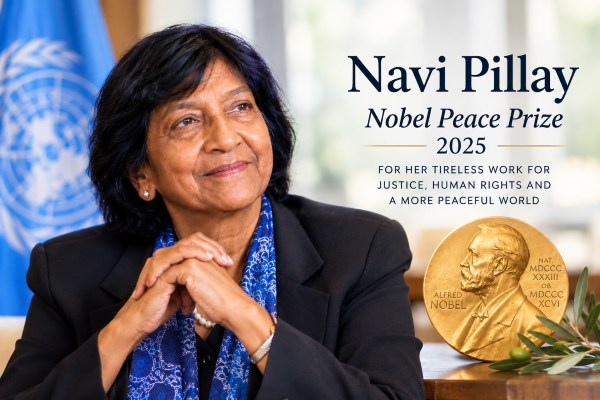
Navi Pillay Honoured
Articles

Navi Pillay Honoured: A Legacy of Peace, Justice and Human Rights

Sandika Hemakumari
Articles

Sandika Hemakumari to Captain Sri Lanka’s Women’s Sevens Squad at the Colombo Leg of the Asia Rugby Sevens Series

Sri Lankan junior tennis players
Articles

Three Sri Lankan Girls Reach the ATF Under-16 Quarter-Finals in Colombo

Otherland Galle Opens on Sri Lanka’s Southern Coast With a Locally Built Approach to Hospitality AI-generated illustration based on source material. No authentic photograph of the Otherland Galle property is embedded in this article. Otherland Hotels opened its first property, Otherland Galle, on 12 October 2026, introducing a 66-key lifestyle hotel that brings together accommodation, dining, music and locally curated experiences on Sri Lanka’s southern coast. The opening adds a new hospitality concept to a region known for its beaches, historic Galle Fort and established surf culture, with the hotel’s programme designed to encourage visitors to engage with the wider destination as well as the property. Located on Matara Road, Otherland Galle is approximately 400 metres from Dewata Beach and 2.8 kilometres from Galle Fort, the UNESCO World Heritage Site. The hotel draws on the area’s culinary traditions, creative communities and coastal way of life, positioning local experiences as a central part of its offer rather than an optional addition to a conventional hotel stay. Founded by Rishi Sreedharan, Samarth Gowda and Emanuel Siddhartha in partnership with Beryll Group, Otherland Hotels is built around the philosophy “Never the Same Twice”. Its approach combines private rooms and suites with shared accommodation and communal spaces intended for different kinds of travellers, from couples and groups of friends to solo visitors and culturally curious guests. The co-founders, pictured from left: Emanuel Siddhartha, Rishi Sreedharan and Samarth Gowda. Source photograph: Lanka Business News. A design-led mix of rooms and shared spaces Designed by Studio Camarada, led by Andre Camara, the hotel has been arranged as a series of interconnected spaces rather than a conventional sequence of corridors and separate facilities. Its interiors draw on the colours and materials of the southern coast, including sandy neutrals, ocean blues and earthy tones, alongside rattan, ash, hand-tufted textiles and marble finishes. The 66-key accommodation comprises 24 Ocean Rooms, 25 Terra Rooms, 12 suites and five dormitories. Room sizes range from 27 square metres to the 70-square-metre Patio Suite, while the property also includes rooms designed for guests with disabilities. The mix offers a range of accommodation formats within one property, including shared dormitory options alongside private rooms and suites. At ground level, Bar-kery combines several functions: reception, coffee shop, bakery, aperitivo counter and informal co-working space. Its Vinyl Corner invites guests to browse records and choose music, giving the communal area a more participatory character. Colombo Coffee Company has developed an exclusive signature blend for the hotel. AI-generated illustrative image based on the reported design approach; it is not a photograph of Otherland Galle. The rooftop venue Creatures brings together a restaurant, cocktail bar, infinity pool and music space, with 270-degree views of the Indian Ocean. It is intended to serve as a daytime dining and swimming venue as well as an evening social space, linking the hotel’s food and music programmes with its coastal setting. Sri Lankan flavours, music and a sense of place The food programme is led by Chef Rajeev Kumar and draws on Sri Lankan culinary traditions, alongside international influences and contemporary techniques. Dishes listed for the menu include King Coconut Ceviche, Yellowfin Tuna Tataki, Lankan Fish Cutlets and Devilled Pork Ribs glazed with kithul treacle. A Watalappam Brûlée brings a familiar Sri Lankan dessert into a contemporary format. Arijit Bose leads the cocktail programme, while Aneesha Thapa manages day-to-day operations. Music is another part of the hotel’s identity, with programming across Afro, R&B, folk, funk, jazz fusion, house, techno and electronica. The combination of food, music and shared spaces is intended to make the property relevant to both visitors and people from the surrounding area. Co-founder Samarth Gowda described the approach as one intended to make the hotel feel accessible and personal: > “Otherland Galle should feel like yours from the moment you walk in. Luxury has often come with a sense of distance, with places appearing impressive because they do not feel accessible to everyone. That is not what we are building. Everything here is designed around who you are and how you want to spend your time.” AI-generated illustration of ingredients associated with Sri Lankan culinary traditions; not a photograph of the hotel’s kitchen or menu. The Other Side: experiences created with local communities A key element of the concept is The Other Side, an experiences programme developed in collaboration with local surfers, fishermen, artisans, guides, chefs and musicians. The activities are designed to connect guests with people and places beyond the hotel, while drawing on knowledge and skills already present in the Galle region. The programme includes curry masterclasses, guided walks through Galle Fort and surf lessons at Dewata Beach. Further afield, guests can take whale-watching excursions off Mirissa or kayak through the mangroves of Koggala Lake. Rooftop sunset sessions, arrack tastings, beach cricket and tuk-tuk bar crawls are among the social activities described as part of the offer. This community-led model gives local participants a role in shaping and delivering visitor experiences, rather than presenting the area only as a backdrop for sightseeing. Its longer-term value will depend on how consistently these partnerships are sustained and how directly local contributors benefit from the activity they help create. Co-founder Rishi Sreedharan said: > “At Otherland, curiosity is the operating principle. We measure success by whether guests leave with a real sense of Galle. The surfers, fishermen, chefs and craftspeople who live here have helped build these experiences, and they are the ones bringing them to life.” AI-generated coastal illustration based on the article’s setting; it does not depict a verified view from the property. A new option for visitors to Galle The opening marks the first phase of Otherland Galle’s development. A gym, wellness centre and banquet facilities are planned for a subsequent phase. The property’s initial offer, however, is already structured around more than its room inventory: its communal areas, food and beverage venues, music programme and locally developed activities form a connected hospitality concept. For Sri Lankans abroad planning a visit home, the opening provides another option near Galle, with a programme that brings together coastal recreation, local food, heritage and community knowledge. For the Galle area, the approach places local contributors at the centre of the visitor experience. Whether the model makes a lasting contribution will be measured not only by the facilities it offers, but also by the strength and continuity of those relationships. The launch also reflects a wider interest among culturally curious travellers in experiences that extend beyond accommodation and conventional sightseeing. In Galle, where historic landmarks sit alongside a living coastal culture, the opportunity is to create hospitality that is carefully designed while remaining connected to the people and traditions that give the destination its character. Sources: Lanka Business News; Colombo Times; Hiru News Gold FM; SoulofHospitality. This article was written based on the source https://www.lankabusinessnews.com/otherland-hotels-makes-its-debut-in-galle/ and corroborated by https://colombotimes.net/otherland-hotels-makes-its-debut-in-galle/, https://hirunews.lk/goldfmnews/493932/otherland-galle-opens-with-66-rooms-introduces-dormitories-to-luxury-hotel-mix and https://www.soulofhospitality.com/business/hotel-openings/otherland-hotels-enters-sri-lanka-with-a-new-approach-to-lifestyle-hospitality, kindly email us at info@eLanka.com.au if any information needs to be corrected. Click here to receive your free copy of the eLanka Newsletter twice a week delivered directly to your inbox! At eLanka, we respect the rights of creators. If we have used an image you own and you'd like it removed, please email us at info@elanka.com.au and we’ll handle it promptly. Thanks. eLanka team eLanka Disclaimer Content published on eLanka may be created by the eLanka team, submitted by contributors or third parties, reproduced or adapted from other sources with appropriate source acknowledgement, or provided as promotional/advertising material by our clients. While eLanka takes reasonable care in preparing and publishing content, we do not warrant its completeness or accuracy. Views expressed are those of the respective authors or contributors and do not necessarily represent the views of eLanka. Third-party contributors, content providers and advertisers are responsible for the accuracy of material they supply and for ensuring they hold the necessary rights and permissions for its publication. Advertising and promotional content should not be regarded as an endorsement by eLanka of any product, service or claim.
Articles

Otherland Galle Opens on Sri Lanka’s Southern Coast With a Locally Built Approach to Hospitality

Dilmah SIAL Paris 2026
Articles

Dilmah’s Three Innovations Selected for SIAL Paris 2026 as Company Named a Top Five SIAL For Change Finalist

  • Quick Links:
  • Articles
  • DESMOND KELLY
  • Dr Harold Gunatillake
  • English Videos
  • Sri Lanka
  • Sinhala Videos
  • Obituaries
  • eLanka Newsletters
  • Sunil Thenabadu
  • Trevine Rodrigo
  • Dr. Harold Gunatillake
  • Tamil Videos
  • Sinhala Movies
  • eLanka Newsletter
  • Photos

eLanka

Your Trusted Source for News & Community Stories: Stay connected with reliable updates, inspiring features, and breaking news. From politics and technology to culture, lifestyle, and events, eLanka brings you stories that matter — keeping you informed, engaged, and connected 24/7.
Kerrie road, Oatlands , NSW 2117 , Australia.
Email : info@eLanka.com.au / rasangivjes@gmail.com.
WhatsApp : +61402905275 / +94775882546
  • About eLanka
  • Terms & Conditions

Disclaimer:
eLanka is committed to sharing positive and community-focused stories. We do not publish or endorse political, religious, or ethnic viewpoints. The content published on eLanka, including articles and newsletters, reflects the opinions and views of the respective authors and not those of eLanka. eLanka accepts no responsibility or liability for the accuracy, completeness, or consequences of any content provided by contributors.

(c) 2005 – 2025 eLanka Pty Ltd. All Rights Reserved.