



Book Review: The Art of War – by Sun Tsu -By Donald Sarath Gunatillake
Source : Dæhæna – April 2026
The Art of War, written nearly 2,500 years ago by the Chinese military strategist and philosopher Sun Tzu, remains one of the most influential works ever produced on strategy and leadership. Through careful observation of human behaviour and conflicts between rival groups, Sun Tzu developed a set of principles that explain why wars are fought and how they may be won.
 Interestingly, despite its title, the book does not glorify warfare. On the contrary, Sun Tzu consistently emphasises that the highest form of wisdom is to avoid conflict whenever possible. War, in his
view, should always be the last resort when disputes arise between opposing parties. Yet when conflict becomes unavoidable, he argues that it should not be regarded merely as a physical confrontation. Rather, it must be approached as a complex mental and moral challenge.
Sun Tzu, therefore, advises leaders to acquire a deep understanding of warfare before confronting an opponent. This includes careful assessment of the situation, knowledge of the adversary, and an awareness of the risks and consequences involved. His work is organised into thirteen chapters, each dealing with a particular aspect of strategy and military planning.
A central idea in the book is the need for systematic preparation. Sun Tzu emphasises that success depends not only on strength but also on thoughtful planning and a realistic evaluation of both one’s
own capabilities and those of the enemy. In this context, he identifies five governing factors that must be considered when planning a campaign: the Moral Law, Heaven, Earth, the Commander, and Discipline. The Moral Law refers to the unity between the ruler and the people, inspiring loyalty and willingness to face danger together. Heaven represents natural forces such as day and night, seasonal changes, and climatic conditions that may influence the outcome of events. Earth refers to the physical environment —
distances, terrain, open ground, forests, and deserts — which often determine strategic advantage. The Commander symbolises the character and virtues of leadership, particularly wisdom, sincerity, benevolence, courage, and firmness. Discipline relates to organisation, the management of supply lines, and the efficient use of resources.
One of the most widely quoted ideas from the book is that all warfare is based on deception. Sun Tzu advises leaders to mislead their opponents whenever possible — appearing weak when strong, and strong when weak. A successful strategist should strike when the enemy is unprepared and keep true intentions carefully concealed. Adaptability, he argues, is one of the greatest strengths in warfare, while rigidity often leads to defeat. Victory ultimately belongs to those who prepare thoroughly and adjust wisely to changing circumstances.
Sun Tzu also highlights the importance of speed and decisiveness. When the right opportunity arises, swift action can secure victory, whereas hesitation may prove costly. In the final chapter of the book, he stresses the value of intelligence gathering and explains the strategic use of spies. Without reliable knowledge of the enemy’s plans, preparations, and weaknesses, he warns, it is dangerous
to engage in conflict.
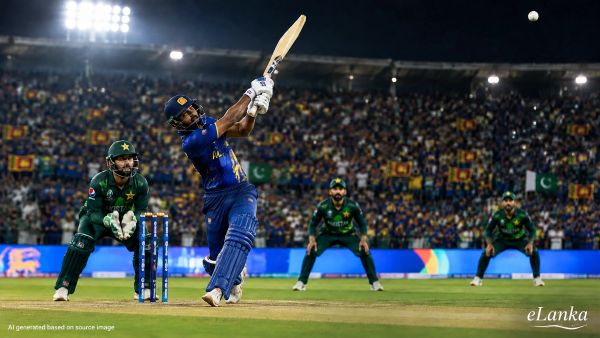
Over the centuries, the ideas presented in The Art of War have influenced many military leaders, including Napoleon Bonaparte and Douglas MacArthur, as well as political figures such as Mao Zedong. Even today, its principles extend far beyond the battlefield. Coaches in sports such as cricket, soccer, and rugby often apply similar strategic thinking when planning how to outmanoeuvre their opponents.
Likewise, many business organisations recommend the book to their executives because it offers valuable insights into leadership, competition, and strategic decision-making. Although written more than two millennia ago, The Art of War continues to remain remarkably relevant. Its lessons transcend the battlefield and provide timeless guidance on strategy, leadership, and the intelligent management of conflict.

Donald Sarath Gunatillake
Donald Gunatillake is a retired Civil Engineer living in Brisbane.