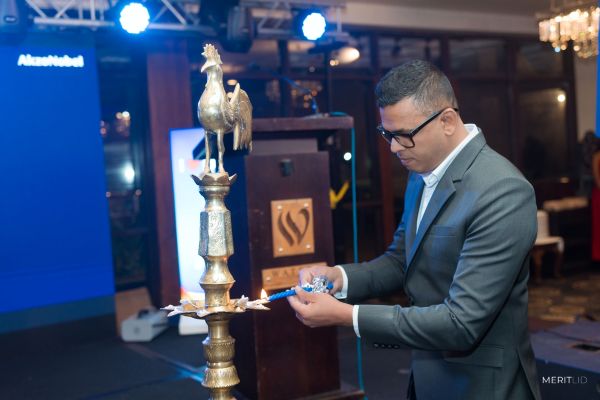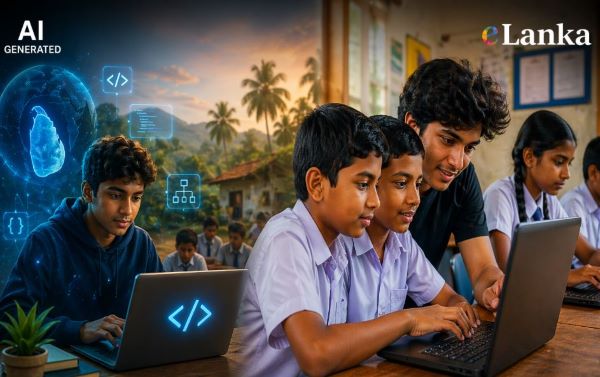
Image source: AI generated based on the original source ABC News.
In an era where digital fluency is increasingly regarded as a fundamental pillar of modern literacy, the disparity between technologically replete urban centres and resource-constrained rural regions remains a significant global challenge. This phenomenon, frequently characterised as the “digital divide,” is particularly pronounced in developing nations where infrastructure often lags behind the rapid pace of global innovation. Within the vibrant Sri Lankan diaspora in Australia, however, a new generation of empathetic innovators is emerging, determined to utilise their educational advantages to mitigate these systemic inequalities.
One such individual is Neth Dharmasiri, a seventeen-year-old Queensland student whose recent contributions to computer science education have garnered international attention. Dharmasiri, alongside his collaborator Chinmay Lal, has pioneered the development of ‘Thadus’, an offline-friendly coding application designed specifically to empower students in rural Sri Lanka. This initiative represents a sophisticated synthesis of technical prowess and social consciousness, illustrating the profound impact that members of the expatriate community can exert upon their ancestral homeland.
The Genesis of a Technological Passion
The trajectory of Neth Dharmasiri’s interest in computer science was initiated at the age of eleven, when he was introduced to Python, a high-level programming language renowned for its versatility and readability. It was his father who provided the initial instructional guide, an action that served as the catalyst for a six-year journey of self-directed learning and problem-solving. Dharmasiri has frequently articulated that his affinity for coding is rooted in an inherent curiosity and a persistent desire to rectify complex logical challenges.
Developing a basic programming language is a feat often reserved for seasoned software engineers or academic researchers; however, Dharmasiri undertook this significant challenge as a personal milestone. Over the course of twelve months, he dedicated himself to the meticulous task of constructing a fully functional programming language, focusing heavily on the refinement of the user interface to ensure accessibility for beginners. This foundational work provided the structural basis for what would eventually evolve into the Thadus platform.
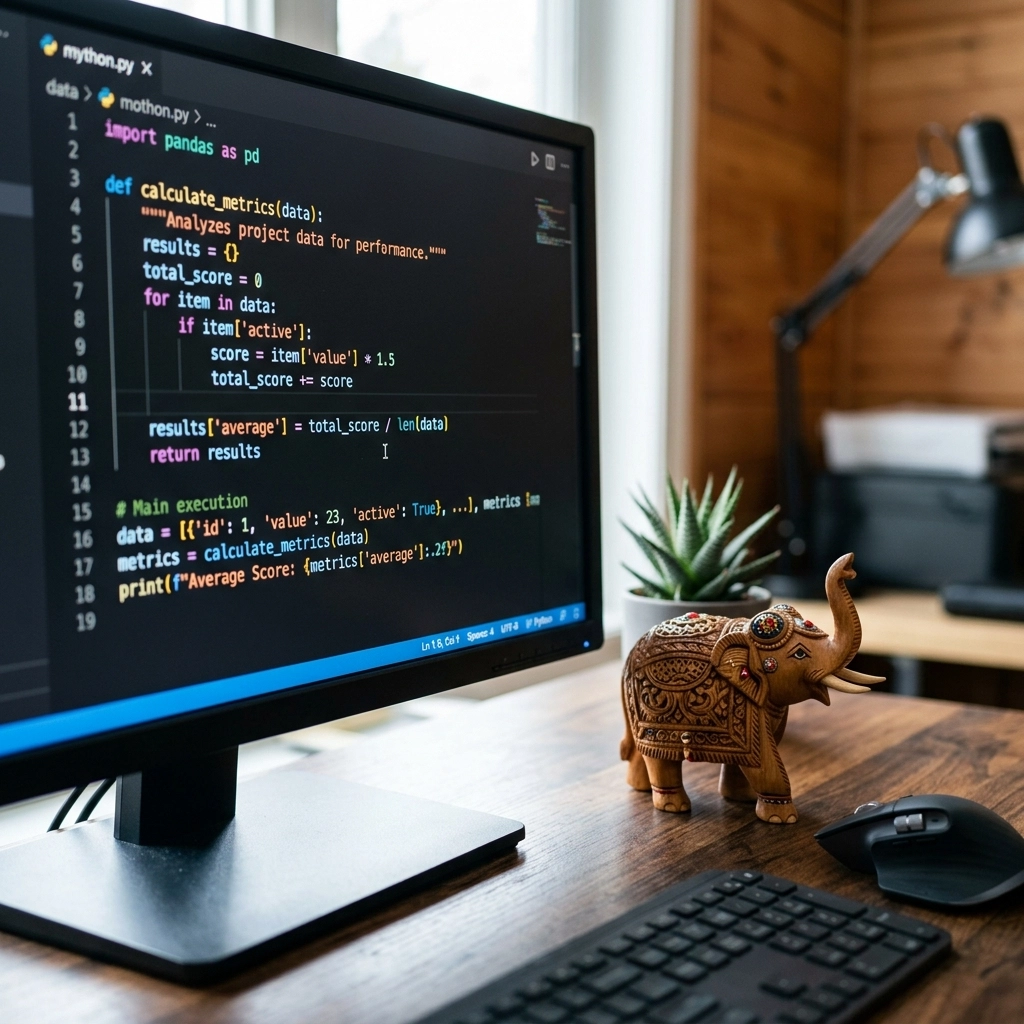
The meticulous process of coding requires both logical precision and creative problem-solving.
A Critical Observation in Rural Sri Lanka
The transition from a personal project to a philanthropic endeavour was precipitated by a visit to Sri Lanka, during which Dharmasiri observed the stark realities of the educational landscape in rural provinces. Whilst visiting a remote village, he encountered a modest computer laboratory equipped with only six functional machines. He observed local children utilising these limited resources to engage with educational content on YouTube, an experience that highlighted the immense untapped potential of these students, as well as the formidable barriers they faced.
In rural Sri Lanka, where many families are engaged in subsistence farming, access to personal computers and reliable internet connectivity is remarkably scarce. Statistics indicate that computer ownership in some estate sectors and the Up-Country regions remains as low as five to eighteen per cent. The realisation that technological education was a luxury rather than a standard right for these students became the “eureka moment” for Dharmasiri. He concluded that the ubiquity of technology in Australia should not be a privilege denied to those in less developed environments.
The Development of Thadus: Innovation for Accessibility
Upon returning to Australia, Dharmasiri partnered with his peer, Chinmay Lal, to formalise the development of Thadus. The primary objective was to create a tool that was not only instructional but also resilient to the infrastructural limitations of the regions it intended to serve. Consequently, the application was engineered to function entirely offline, ensuring that students in areas with intermittent or non-existent internet access could continue their studies without interruption.
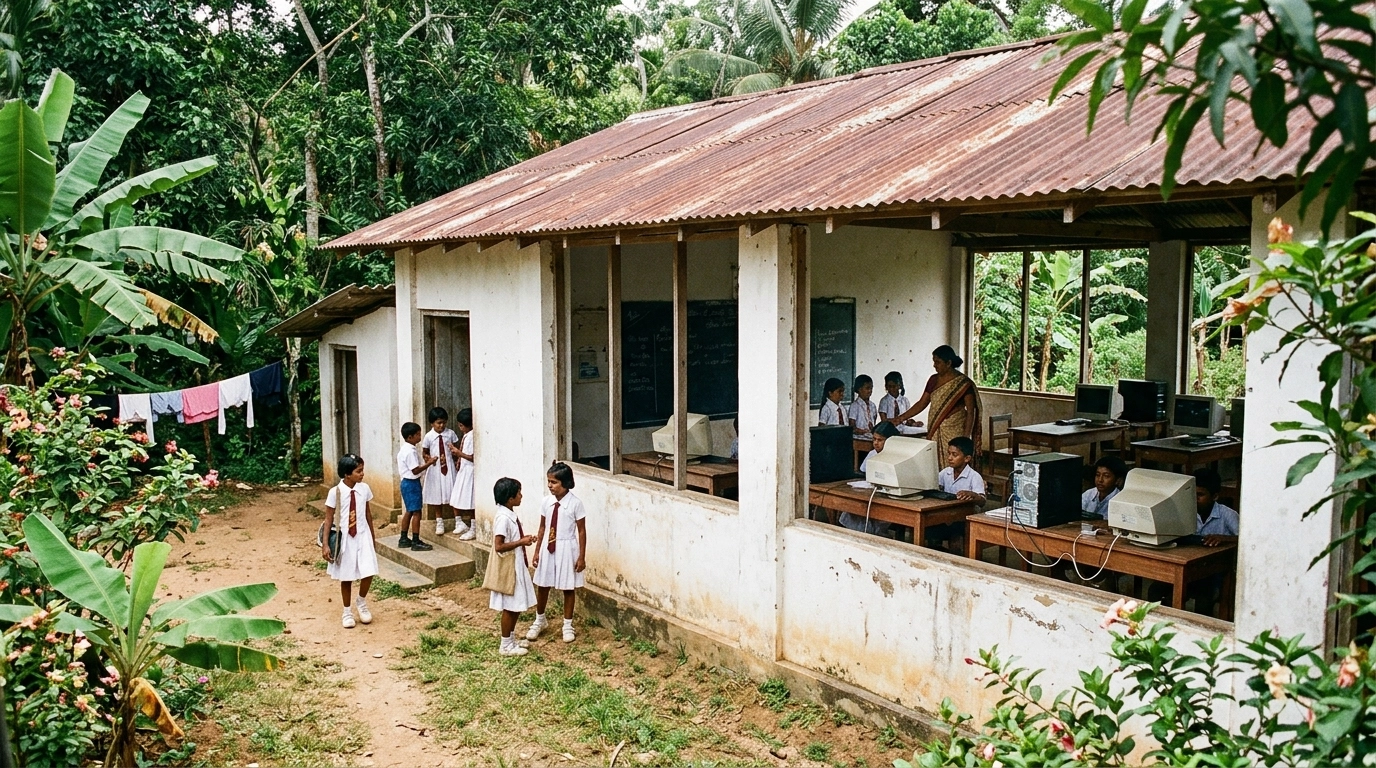
Rural educational facilities in Sri Lanka often face significant challenges regarding resource allocation and digital infrastructure.
Thadus is structured into three comprehensive courses, each designed to instil a fundamental understanding of coding concepts and their practical applications within various industries. The third course, which focuses on data science, is particularly significant given the current global AI boom. By introducing rural students to the principles of data science, Dharmasiri and Lal are ensuring that these learners are equipped with skills that are highly relevant to the contemporary global economy, thereby narrowing the gap between their opportunities and those of their urban counterparts.
Strategic Collaboration with the Foundation of Goodness
The potential for Thadus to achieve widespread impact has been significantly bolstered through a partnership with Kushil Gunasekera, a distinguished Sri Lankan philanthropist and the founder of the Foundation of Goodness. Gunasekera, whose extensive humanitarian work has been recognised internationally, has spent decades addressing the urban-rural divide in Sri Lanka. His organisation operates a broad network of village heart empowerment centres and learning facilities across the island, providing a valuable pathway through which Thadus can be introduced to students in underserved communities.
According to the latest data shared through the Foundation of Goodness in February, Thadus has already reached 300 students across 21 CodeLab locations across Sri Lanka . These include Udumulla, Rathgama, Monaragala, Sittandy, Thirukkovil, Mathagal, Oddusuddan, Pallai, Bandarawela, Vavuniya, Dambulla, Kothmale, Ragala, Hatton, Mahiyanganaya, Trincomalee, Polonnaruwa, Ahangama, Maskeliya, Kandy and Delft. This demonstrates that the initiative is already producing measurable impact on the ground, while its growth continues to accelerate.
Importantly, this partnership highlights how Thadus can be scaled across an entire nation. What has already been achieved through collaboration with the Foundation of Goodness serves as a practical example of how the model could be expanded further to reach rural schools across Sri Lanka.
| Students for Thadus Codelab | ||
|---|---|---|
| No | VHE | No of Students |
| 1 | Udumulla | 10 |
| 2 | Rathgama | 7 |
| 3 | Monaragala | 17 |
| 4 | Sittandy | 22 |
| 5 | Thirukkovil | 13 |
| 6 | Mathagal | 10 |
| 7 | Oddusuddan | 26 |
| 8 | Pallai | 5 |
| 9 | Bandarawela | 19 |
| 10 | Vavuniya | 22 |
| 11 | Dambulla | 10 |
| 12 | Kothmale | 18 |
| 13 | Ragala | 11 |
| 14 | Hatton | 12 |
| 15 | Mahiyanganaya | 36 |
| 16 | Trincomalee | 13 |
| 17 | Polonnaruwa | 7 |
| 18 | Ahangama | 3 |
| 19 | Maskeliya | 10 |
| 20 | Kandy | 12 |
| 21 | Delft | 17 |
| Total | 300 | |
Discussions on Nationwide Scale
In addition to its current impact, Thadus is now involved in communications with several officials within the Sri Lankan Government regarding a possible nationwide partnership. The aim is to provide rural schools across the island with access to Thadus, helping support Sri Lanka’s digital economy agenda and ensuring that students in remote communities are not left behind in an increasingly technology-driven world.
At present, these discussions are described as productive and ongoing. If realised, such a partnership would significantly expand Thadus’ reach and establish a powerful model for integrating digital education into rural school systems at national scale.
Strengthening Bilateral Relations
Beyond its educational significance, the initiative also carries wider social and diplomatic value. A partnership between Thadus and the Sri Lankan Government would not only empower students but could also strengthen bilateral relations between Sri Lanka and Australia. It would stand as a meaningful example of how diaspora-led innovation can contribute to development, collaboration and shared progress between two nations.
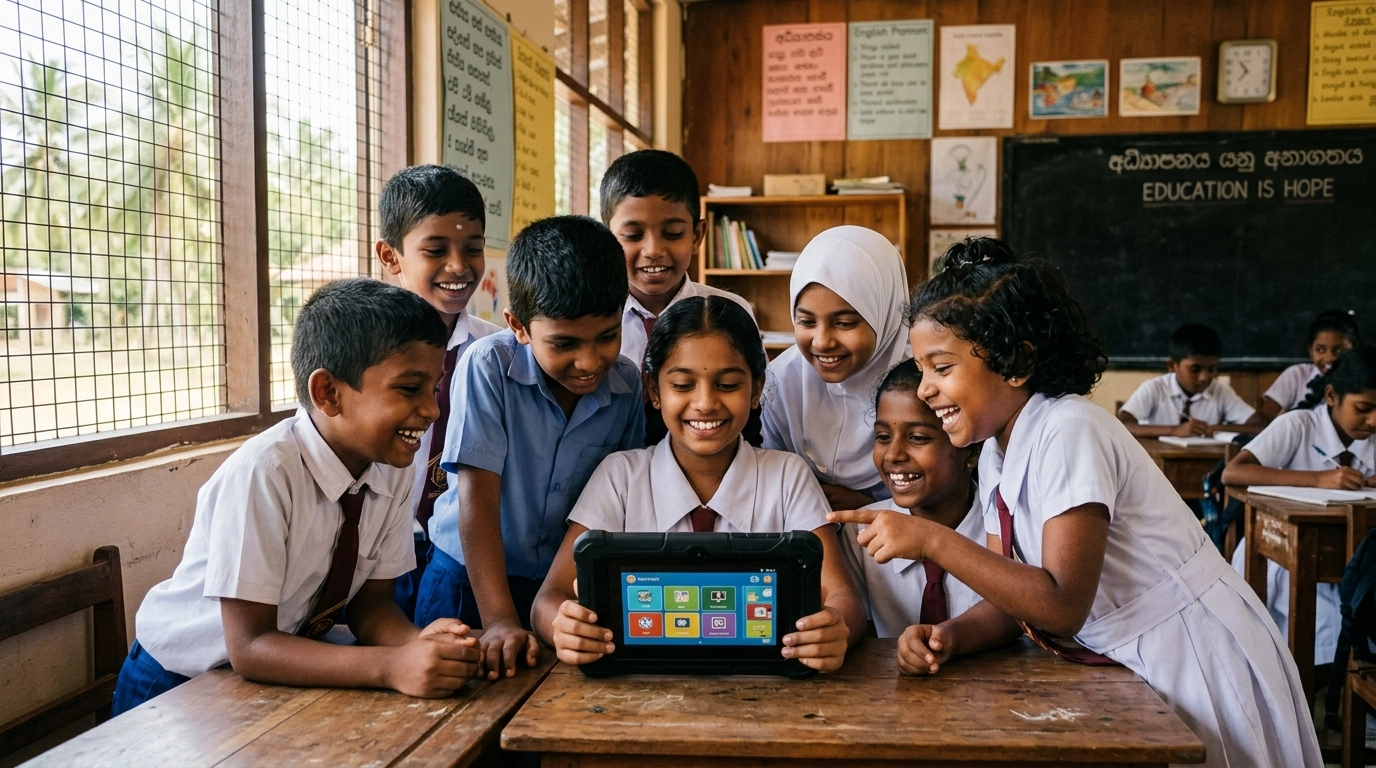
Empowering the next generation through digital literacy is a core mission of community-driven initiatives.
The Societal Importance of Computational Thinking
Academic experts, such as Dr Louise Puslednik of the University of Southern Queensland, have emphasised that initiatives like Thadus are instrumental in fostering critical thinking and problem-solving skills. Coding is increasingly viewed as a cognitive tool that enables students to identify problems and systematically work towards solutions. In Australia, approximately one-quarter of the population still faces barriers to digital access, indicating that the digital divide is a universal challenge that requires innovative, grassroots solutions.
The success of Dharmasiri and Lal serves as a compelling narrative for the youth within the Sri Lankan diaspora. It demonstrates that the acquisition of technical skills can be leveraged for significant social good. Their work serves as an antithesis to the notion that technology is merely a tool for personal advancement; rather, it is a medium through which the global community can be unified and uplifted.
eLanka’s Commitment to Positive Narratives
At eLanka, our mission is to share and celebrate positive stories about Sri Lankans worldwide, fostering a sense of unity and shared heritage. The story of Neth Dharmasiri and Chinmay Lal exemplifies the values of innovation, service excellence and social consciousness that we strive to promote. We remain dedicated to providing a platform where the achievements of the global Sri Lankan community can be documented and celebrated.

The enduring connection between Australia and Sri Lanka is strengthened by the contributions of the diaspora.
We encourage our members to support such initiatives and to continue contributing Good News Stories to our portal. Whether through our Business Directory, our Event Listings, or our dedicated Articles section, eLanka serves as a bridge connecting the diaspora with their cultural roots and the progress of their community.
As we look toward a future where technology is increasingly integrated into every facet of human existence, the efforts of individuals like Neth Dharmasiri provide a hopeful outlook. By bridging the digital divide, we are not merely teaching children how to code; we are providing them with the keys to participate in the global future.
Sources:
- ABC News – QLD teenagers create coding app for Sri Lanka students
- Updated student reach and location data shared by Neth Dharmasiri / Foundation of Goodness in February.
- Additional public operational clarification provided directly for article correction and update.
This article was updated to reflect the latest publicly shared operational information. If any information requires correction or further clarification, kindly email us at info@elanka.com.au.
At eLanka, we respect the rights of creators. If we have used an image you own and you’d like it removed, please email us at info@elanka.com.au and we’ll handle it promptly.