GENESIS OF SRI LANKA NAVY – “OKAPI NAVY”-By Admiral Ravindra C Wijegunaratne
EXTRACTS FROM BOOK “READ BETWEEN THE LINES “
By Admiral Ravindra C Wijegunaratne
WV, RWP and Bar, RSP, VSV, USP, NI (M) (Pakistan), ndc, psn, Bsc
(Hons) (War Studies) (Karachi) MPhil (Madras)
Former Navy Commander and Former Chief of Defense Staff
Former Chairman, Trincomalee Petroleum Terminals Ltd
Former Managing Director Ceylon Petroleum Corporation
Former High Commissioner to Pakistan
The history of Sri Lanka Navy, which completed 75 years is eventful and fascinating one. The NAVY ACT was passed in our first Parliament on 9th December 1950. This day is considering as our Navy Day and celebrating every year.
Presenting the “Navy Act” to our first Parliament by Sir Ukwatte Jayasundara, KCMG, KBE, QC the first General Secretary of United National Party (UNP), prominent criminal lawyer and Chairman of Senate famously said “as an independent country we have an Army and an Air force! Now we should have a Navy too”!!
Legendary Naval Historian Late Instructor Lieutenant Commander Somasiri Devendra wrote a book on Genesis of our Navy in 2015 and launched on 65th Navy Day – ten years ago (9th December 2015). Fortunately, I was the Commander of the Navy then and this book is a “must read” book for all our trainees at our Naval and Maritime Academy, Trincomalee. The book named “We must have a Navy” and available free eBook on Our Ministry of Defense (MoD) Web site. – as Instructor Lieutenant Commander Devendra told me before his demise “Ravi! Young generation keen in reading eBooks on their computers and iPhones! So, make my book available on line free!”- how true. Thanks, Dear Sir!
The events and chronological history of Royal Ceylon Navy from 1950 is available thanks to Naval officers such as Admiral Rajan Kadiragamar, Commander E P Wickramasinghe, Admiral Clancy Fernando, Instructor Lieutenant Commander Devendra, Admiral Mohan Samarasekara, Admiral Thissera, Admiral of the Fleet Wasantha Karannagoda, Admiral Thissara Samarasinghe and Rear Admiral Shermal Fernando whom took great interest in recording our history.
However, our Navy’s contributions and duties officers are sailors- all volunteers performed during World War II was not recorded well. My effort here is to tell you some of fascinating stories of Ceylon Royal Navy Volunteer Reserve (CRNVR) which fondly known as “Okapi Navy “.
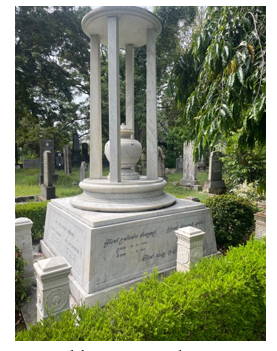
Headstone of later Sir Ukwatte Arachige Jayasundara, KCMG, KBE, QC and lady Liliyan Jayasundara at Borella Cemetery- may they rest in peace
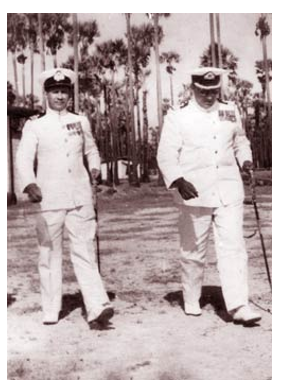
Image Source:Archives.dailynews
from Naval Archives- Commander E P Wickramasinghe and Rear Admiral Rajan Kadiragamar at Royal Ceylon Navy Ship Elara, Karinagar when Cdr Wickramasinghe was Commander Northern Area (as a Lieutenant Commander) (CNA) in 1965 and Rear Admiral (then Captain) R. Kadiragamar was Commander of the Navy (then known as Captain of the Navy) (CofN). Rear Admiral R Kadiragamar was CofN for 10 years (1960 to 1970). Commander E P Wickramasinghe, (WWII VETERAN and recipient of “Burma Star” Campaign medal serving in Burma Front) is late father of former First Lady Shranthi Wickramasinghe Rajapaksa and grandfather of Yoshitha Rajapaksa, who joined SLN in 2008 following his grandfather’s footsteps.

Image Source:Medalsofservice
Ceylon Royal Navy Volunteer Reserves (CRNVR) was the Navy Volunteer Reserve of Crown Colony of Ceylon from 1938 to 1950 established as Ceylon Naval Volunteer Force (CNVF) on 1st January 1938, during WW II. It was made out of volunteers from mercantile sector of Colombo consists of 12 officers and 18 sailors. Under command of newly Commissioned Commander W G Beauchamp. The headquarters was established at Kochikade, Colombo on 14th June 1939, just before Great War was started. In April 1939 Ceylon Governor Sir Andrew Caldecott (1937- 1944) requested British Admiralty to include these officers in Royal Navy list and it was accepted.
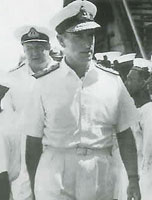
Admiral Lord Mountbatten, Supreme Allied Commander, South East Asia Command (SEAC) inspecting CNVF. Commander Beauchamp following
CNVF personnel were mobilized into active service on 31st August 1939 at the outbreak of World War II and weekend-sailors trained to be full time sailors under Command of Royal Navy Officers for Minesweeping and Anti-Submarine Warfare. Board of Ministers of State Council approved their pay and allowances. CNVF formed a flotilla for the harbour defence of Colombo Harbour. Its personnel also manned Colombo port Signal Station, Port War Signal Station (PWSS), Chapel Hill, Trincomalee and Headquarters of Vice Admiral Lord Mountbatten in Kandy.
Out of Motor vessels and arctic trawlers converted in to Mine Sweeping duties were HMS Overdale Wyke – (FY 338) , steam turbine trawler- famous known as “OW” which helped HMS Hector to extinguished fire when hit by Japanese dive bombers on 5th April 1942 during famous Easter Bombing and later in 14 September 1942, involved in surrendering of Italian Navy Ship (Frigate) ERITREA off Colombo harbour.
More than HMS “OW”, older generation of navy sailors remember another Three Antarctic Whale hunting trawlers converted in to Mine Sweepers to deploy off Colombo harbour. They are, Her Majesty’s Trawlers (HMT) Okapi,Semlar and Sambhur. These trawlers and crew ensured day in- day out throughout World War II that Approaches to Colombo harbour an Channel free of sea mines.
So, when we joined Sri Lanka Navy more than 45 years ago in 1980, we used to meet very old sailors boasting they are from “Okapi Navy “!
We mischievous Cadets at that time used to say they are from “(Hu)” Kapi Navy!!!
Okapi Navy Officers and sailors are the genesis of our present-day Navy!
Almost all already passed away. May they rest in peace!