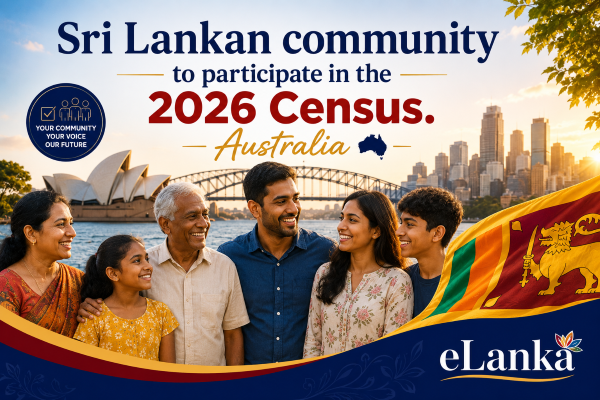
Multicultural leader urges communities to participate in the 2026 Census-by Dr Edwin Joseph
In my years of advocacy, I’ve learned one simple truth: accurate and reliable data is the foundation for securing support for our communities. Before governments, businesses, and service providers allocate funding and resources to us, they need to know where we are and what we need.
That is where the Census comes in. It doesn’t just count citizens or permanent residents – it captures everyone in Australia on the Census night. Whether you are a temporary visa holder, an international student, a visitor or a newborn baby, if you are in Australia on Tuesday 11 August 2026, you need to be counted in the Census.
Throughout my work across health equity, employment equality, and social cohesion, I have seen firsthand how organisations lean on Census data to understand the community they serve. It helps settlement service providers decide on centre locations for new arrivals and allows early childhood education providers to translate resources for children new to Australia.
Census data is often used as the foundational tool, before any further consultations or research. If our communities are not represented in the Census, we are missing out.
This is why I am encouraging everyone to participate in the Census. It is important to reflect ourselves in this national snapshot, so that government policy, funding allocation, and service design meets the needs of our communities. Every answer matters in the 2026 Census.
In my years supporting multicultural communities in the Northern Territory, I have had a front-row seat to incredible demographic change. In the past five years alone, we have witnessed wonderful growth within emerging communities like Latin American and Nepali communities. Across the whole of Australia, our multicultural communities are also growing rapidly. Capturing that change in the Census is exactly how we show government, organisations, and service providers how they can adapt to keep pace with today’s Australia.
And as a Councillor myself, I also use Census data as a reality check for my observations. Whether we need to advocate for change or plan for public spaces, we need concrete proof points to back our decisions, and Census data plays an important role in validating our community’s lived experience.
When every one of us participates in the Census, we see a full picture of Australia, and how it has changed over the years. When the data shows a need, the funding and resources can follow.
You can fill in the Census form as soon as you get instructions in the mail, and if you know where you will be on Census night. It is the easiest and most powerful way to ensure we are considered in those decisions that shape our future life in Australia.
For more information about Census, visitcensus.abs.gov.au/multicultural
About the author
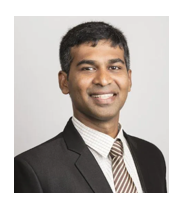
Dr Edwin Joseph JP is the current president of the Multicultural Council of Northern Territory, Secretary of the Federation of Ethnic Communities Councils of Australia, Northern Territory Convenor of Religions for Peace Australia, and Darwin City Councillor. Edwin has been advocating for and working closely with the multicultural communities for over a decade after migrating to Australia.