Roshan Mahanama: The Gentleman of Cricket, From the 1996 World Cup to the Best View of the Game

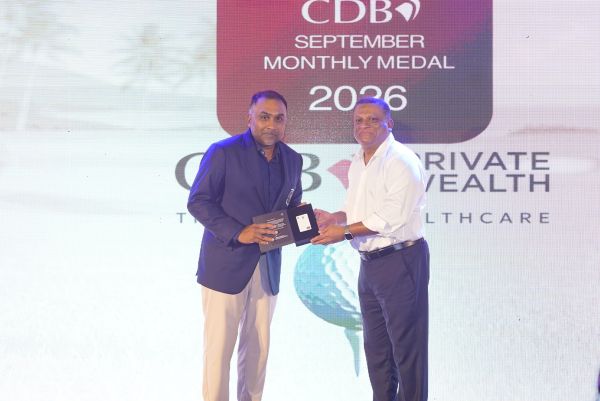
Roshan Mahanama. Photograph: The Sunday Times Sri Lanka.
For generations of Sri Lankan cricket supporters, Roshan Mahanama has represented far more than elegant batting, assured fielding and an impressive international record. He has come to symbolise the values that have traditionally given cricket its distinctive character: composure under pressure, respect for opponents, loyalty to teammates and the courage to remain principled when circumstances become difficult.
Universally revered as the quintessential gentleman of Sri Lankan cricket, Mahanama was an accomplished batsman and one of the finest fielders the game has seen. His journey, however, extends well beyond the boundary ropes, for it encompasses national triumph, personal disappointment, institutional service and a sustained commitment to helping children and communities across Sri Lanka.
His autobiography, My Innings: Retired Hurt to the Best View of the Game, co-authored with Australian cricket writer Ken Piesse, offers an intimate reflection on a life lived at the pinnacle of international sport. The book presents the exhilaration of representing Sri Lanka during one of the most transformative periods in the country’s cricket history, while also examining the frustrations and private hurt that accompanied his departure from the international game.
A cricketing education at Nalanda College
Mahanama’s association with cricket began during childhood, within a family where the sport was already deeply respected. His father, Upali Mahanama, who played club cricket, became his earliest and most influential mentor, while other relatives encouraged the young player to pursue the game with seriousness and discipline.
At approximately nine years of age, Mahanama attended cricket practices at Nalanda College, initially accompanied by his father and elder brother Devaka. Because of his young age, he was not immediately permitted to train with the school team, but his father’s persistence eventually secured him an opportunity.
The influence of coach Nelson Mendis proved instrumental. Mendis did not merely develop Mahanama’s technical abilities; he also taught him that cricket had to be played in the correct spirit and that personal conduct mattered as much as individual performance. Mahanama represented Nalanda across successive age groups, frequently emerging as the leading batsman and often being entrusted with captaincy.
His progress was not entirely without difficulty. At one stage, when he was selected for the school’s first XI, opposition emerged among some teammates who questioned his place in the side. The episode tested the young cricketer and his family, yet the support of his father remained unwavering. A period playing for Bloomfield Cricket and Athletic Club, alongside experienced national players, further strengthened his competitive education and prepared him for the demands of senior cricket.
Mahanama was named Schoolboy Cricketer of the Year in both 1983 and 1984, becoming the first player to win the award in consecutive years. In 1983, he also established a record for the most runs scored in a school season, confirming that his early promise was supported by sustained performance.
From international debut to national glory
Mahanama made his international debut against Pakistan in 1986, entering a demanding arena that included formidable opponents such as Wasim Akram and Imran Khan. He was required to open the batting despite having no previous experience in that position at either school or domestic level, an early indication of the adaptability that would become a defining feature of his career.
Across his international playing career, Mahanama represented Sri Lanka in 52 Test matches and 213 One-Day Internationals. He also captained Sri Lanka in two ODIs, while contributing to a generation of players that changed the country’s position in world cricket.

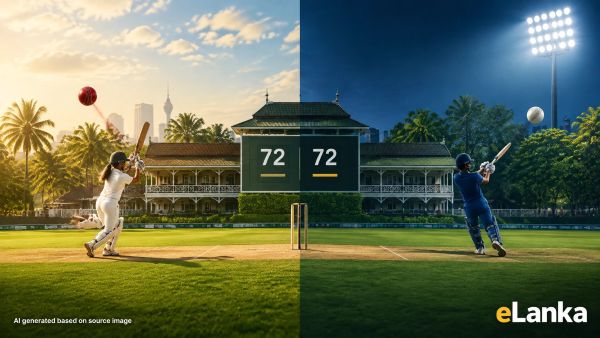
AI-generated illustration based on the supplied source image, with “AI generated based on source image” and “eLanka” branding.
The high point arrived during the 1996 World Cup, when Sri Lanka defeated Australia in the final and secured its first men’s Cricket World Cup title. Mahanama was an important member of that historic campaign, contributing to a team culture in which responsibility was distributed across the squad and players were encouraged to perform according to their natural instincts.
The triumph was not simply a sporting achievement. It was a moment of immense national significance, achieved during a period when Sri Lanka was experiencing profound social and political strain. The victory offered a rare and powerful source of collective pride, allowing people across the island and Sri Lankan communities around the world to share in a moment of celebration.
Mahanama has consistently attributed that success to teamwork, preparation and unity rather than to the achievement of any single individual. The team’s fitness, organisation and professional approach had improved considerably, while the players had developed the confidence to compete against the strongest sides in international cricket.
The historic partnership with Sanath Jayasuriya
Mahanama’s most celebrated Test achievement came in 1997, during Sri Lanka’s match against India at the R. Premadasa Stadium in Colombo. Batting alongside Sanath Jayasuriya, he formed a then-world-record partnership of 576 runs, an extraordinary alliance that demonstrated both players’ concentration, stamina and technical range.
Mahanama scored a double century during that innings, which he regarded as one of the most memorable performances of his career. The partnership with Jayasuriya also reflected the evolving character of Sri Lankan batting, combining Mahanama’s measured elegance with Jayasuriya’s dynamic attacking style.

AI-generated illustration based on the supplied source image, with “AI generated based on source image” and “eLanka” branding.
The meaning behind “Retired Hurt”
The autobiography’s title carries a deeply personal meaning. Although Mahanama remained fit and had continued to contribute at international level, he stepped away from international cricket in 1999 after facing selection difficulties and mounting frustrations.
His departure was painful, particularly because it followed a World Cup in which he had been Sri Lanka’s second-highest run scorer. The decision was not simply a sporting retirement; it represented an emotional separation from a national team and a cricketing environment to which he had devoted much of his life.
The phrase Retired Hurt captured the complicated nature of that exit. It conveyed the disappointment of a player who felt that his contribution had not been fully recognised, while also suggesting that the story of his service to cricket was not yet complete. In later years, the autobiography was expanded into My Innings: Retired Hurt to the Best View of the Game, offering a broader account of his playing career, personal convictions and work within the international game.
Rather than allowing frustration to define his legacy, Mahanama chose to move forward with dignity. His love for cricket remained intact, even when his relationship with international playing administration had become difficult.
From player to ICC match referee
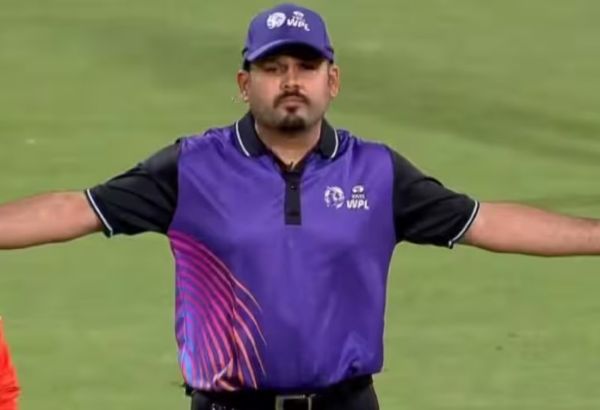
In 2004, Mahanama joined the ICC Elite Panel of Match Referees, beginning a second international career in which fairness, discipline and careful judgement became his principal responsibilities.
The transition required a different form of concentration. As a player, he had been responsible for his own performance and for contributing to the team’s strategy. As a match referee, he was required to monitor conduct, interpret regulations and assess incidents impartially, often while working in an atmosphere of intense public scrutiny.

AI-generated illustration based on the supplied source image, with “AI generated based on source image” and “eLanka” branding.
During his refereeing career, Mahanama officiated 61 Test matches, 222 ODIs and 35 T20 internationals. His assignments included World Cup matches in 2007, 2011 and 2015, placing him at the centre of some of the most important contests in modern international cricket.
He ultimately stepped down from the Elite Panel after an 11-year refereeing career. His service was particularly respected because it was built upon honesty and integrity, qualities that had been evident since his playing days. The title The Best View of the Game therefore carries a double meaning: it describes the perspective gained from the match referee’s position, while also reflecting the wisdom acquired through a lifetime spent understanding cricket from several angles.
A legacy of service beyond cricket
Mahanama’s contribution has not been confined to stadiums, scorecards or official appointments. He has remained closely involved in social welfare activities, supporting schoolchildren and assisting communities across Sri Lanka.

AI-generated illustration based on the supplied source image, with “AI generated based on source image” and “eLanka” branding.
He has also been associated with the Ayati Trust, which supports people living with disabilities, and has consistently dedicated time and resources to initiatives designed to improve the lives of underprivileged children. This aspect of his work is especially important because it demonstrates that his understanding of leadership has always extended beyond personal achievement.
For a cricketer who once stood at the centre of national celebrations, Mahanama has retained a notably humble public presence. His example suggests that the most enduring form of sporting success is not measured solely by runs, victories or appointments, but by the manner in which an individual responds to responsibility and uses public recognition to serve others.
A gentleman remembered across generations
For Sri Lankan readers at home and abroad who grew up watching Mahanama, his career evokes a particular era of hope and transformation. He was part of the team that established Sri Lanka as a major force in world cricket, he contributed to one of the most remarkable partnerships in Test history, and he represented the country at a time when every international victory carried exceptional emotional significance.
Yet his greatest distinction may be the consistency of his character. As a player, official and community-minded citizen, he has demonstrated that professionalism need not be separated from kindness, and that competitive excellence can coexist with humility.
Roshan Mahanama’s journey from Nalanda College to the 1996 World Cup, from a difficult retirement to the ICC Elite Panel, and from international cricket to extensive philanthropic service remains a warm tribute to class, moral courage and dedication. For many supporters, he will always be remembered as the gentleman of Sri Lankan cricket; for those who have followed his broader work, he represents something even more valuable. A sportsman whose best innings has continued well beyond the pitch.
This article was written based on the source https://www.linkedin.com/feed/update/urn:li:activity:7510578110162210816/, kindly email us at info@eLanka.com.au if any information needs to be corrected.
This article was written based on the source https://www.sundaytimes.lk/191222/sports/roshan-mahanama-a-true-gentlemen-in-the-gentlemens-game-383710.html, kindly email us at info@eLanka.com.au if any information needs to be corrected.
At eLanka, we respect the rights of creators. If we have used an image you own and you’d like it removed, please email us at info@elanka.com.au and we’ll handle it promptly.
Thanks.
eLanka team
eLanka Disclaimer
Content published on eLanka may be created by the eLanka team, submitted by contributors or third parties, reproduced or adapted from other sources with appropriate source acknowledgement, or provided as promotional/advertising material by our clients. While eLanka takes reasonable care in preparing and publishing content, we do not warrant its completeness or accuracy. Views expressed are those of the respective authors or contributors and do not necessarily represent the views of eLanka. Third-party contributors, content providers and advertisers are responsible for the accuracy of material they supply and for ensuring they hold the necessary rights and permissions for its publication. Advertising and promotional content should not be regarded as an endorsement by eLanka of any product, service or claim.