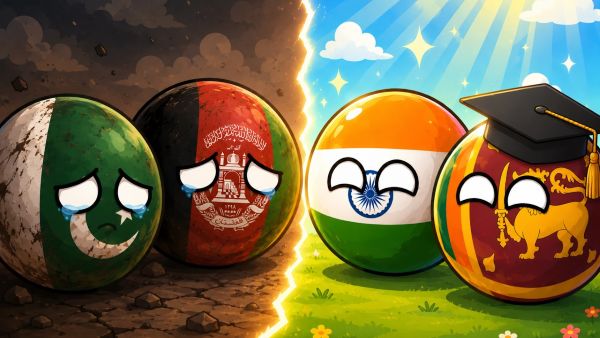
Sri Lanka Must Terminate the Deceptive International Schemes Undermining Its Route to Development-by Harold Gunatillake


Sri Lanka is currently at a pivotal juncture. Following a prolonged period of economic hardship, political instability, and reputational harm, the country is making concerted efforts to restore confidence among international investors, development partners, and its own populace. However, a significant challenge persists: the ongoing prevalence of fraudulent international schemes that exploit vulnerabilities in governance, finance, migration, and trade.
These networks—often sophisticated, well-funded, and transnational—do more than steal money. They steal trust. They erode the credibility of Sri Lankan institutions, discourage legitimate investors, and tarnish the country’s image at a time when global reputation is as valuable as foreign reserves.
The Cost of Silence
For an extended period, Sri Lanka has endured the ramifications of organised fraudulence:
- Financial scams that divert funds from the nation and entrap citizens in debt.
- Illegal migration operations that exploit susceptible Sri Lankans and impair diplomatic
- Document forgery networks that weaken border security and erode international
- Trade-related fraudulent activities that distort market dynamics and dissuade ethical
Each such illicit activity further distances Sri Lanka from the standards expected of a modern, transparent, and rules-based economy.
A Clean Reputation Constitutes a National Asset.
Sri Lanka’s recent advancements in debt transparency, investor relations, and regulatory reforms have received commendation from international institutions. The tourism sector is recovering, exports are stabilising, and foreign investors are returning cautiously. However, these achievements remain delicate. A significant scandal could potentially reverse months of progress. In the current global environment, nations are evaluated not solely based on economic metrics but also on the integrity of their governance. Investors, rating agencies, and development partners scrutinise how countries address issues such as fraud,
corruption, and cross-border criminal activities. A single unresolved misconduct can trigger warnings across international financial systems.
The Path Forward: Zero Tolerance
If Sri Lanka is to be recognised internationally as a clean and trustworthy nation, it must implement a zero-tolerance policy towards fraudulent activities. This necessitates:
- Enhanced collaboration across borders with international law enforcement agencies.
- Adoption of advanced digital verification systems to combat document forgery and financial misconduct.
- Rapid prosecution of offenders, irrespective of their status or political
- Transparency in public affairs to assure citizens and investors that justice is administered
- Protection measures for whistleblowers who expose organised
These initiatives are not merely administrative but are strategic investments in Sri Lanka’s future.
A Clean Sri Lanka Is a Competitive Sri Lanka
The cessation of fraudulent international rackets entails more than merely imposing penalties; it fundamentally involves unleashing the nation’s latent potential. A country recognised for its integrity draws:
- High-value investors
- Ethical tourism
- Robust diplomatic alliances
- Global brands in pursuit of dependable markets
- Confidence and remittances from the diaspora
The future of Sri Lanka hinges upon its credibility, which in turn relies on the courage—the resolve to dismantle networks that have persisted silently for decades.
The moment is now.
Sri Lanka has already demonstrated its capacity to the global community for reform, stabilisation, and resurgence. However, to facilitate the culmination of this transformation, the nation must address and dismantle fraudulent international rackets that jeopardise its progress.
The global community is closely observing; investors are monitoring developments; and the citizens of Sri Lanka are paying close attention.
Achieving a corruption-free Sri Lanka is not merely an aspiration, but a decisive choice. It is a choice that the nation must undertake promptly.
End