Health reforms and digital systems in Sri Lanka-by Harold Gunatillake

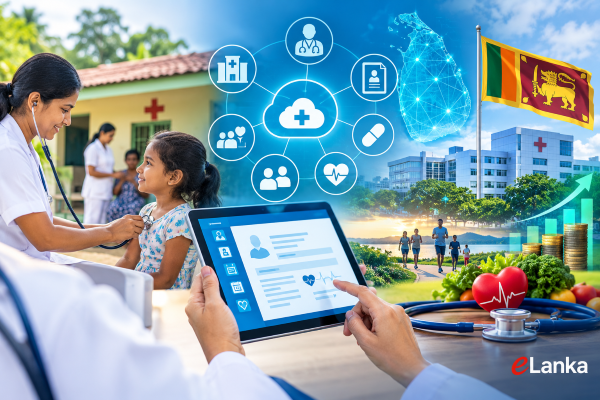
Focused on Arogya Health and Wellness Centres.
Overview:
Sri Lanka’s healthcare landscape is undergoing a pivotal transition, driven by comprehensive health reforms and systemic digital transformations that aim to move the country from fragmented, paper-based systems to a consolidated digital ecosystem.
Supported by a significant budget increase to Rs. 604 billion, these reforms emphasise expanding primary care, preventing non-communicable diseases (NCDs), and integrating patient records nationwide.
The Change
Sri Lanka is undergoing health reforms, including digital health initiatives and stronger alignment with WHO frameworks:
- Primary health care reforms in Sri Lanka involve the reorganisation of Primary Health Care (PHC) around Arogya Health and Wellness
- The focus is on ageing populations, non-communicable diseases (NCDs), health equity, and the enhanced utilisation of digital health technologies and data
- Discussions regarding digital health and artificial intelligence: Sri Lanka actively engages in regional collaboration on these domains through initiatives spearheaded by the World Health Organisation’s South-East Asia
- The emphasis is placed on governance, access, and service quality, explicitly excluding considerations related to population control.
What is the current status of health reforms in Sri Lanka?
- Sri Lanka is currently implementing comprehensive reforms within its health sector, which include:
- The restructuring of primary healthcare through the establishment of Arogya Health and Wellness Centres, enhancement of digital health initiatives, and improved utilisation of data for service
- The development of new national policies concerning infection prevention and control, healthcare quality and safety, as well as medication safety, all supported technically by the World Health Organisation (WHO).
- Continued efforts related to the International Health Regulations (IHR 2005)—with Sri Lanka maintaining longstanding engagement with these regulations as part of its commitment to global health security, complemented by recent external evaluations aimed at strengthening
These are documented, transparent policy processes, not secret arrangements. They focus on things like infection control, patient safety, surveillance, and better use of information systems—not population control.
Arogya Health and Wellness Centres, under the leadership of the Minister of Health and Mass Media, Dr Nalinda Jayatissa, are implementing a program to establish 250 community-level facilities. These centres use multifunctional medical devices to conduct essential tests, thereby strengthening preventive healthcare for local populations.
Advantages of the modification:
Decreasing the number of visitors at secondary and tertiary healthcare facilities.
Sri Lanka’s principal hospitals often face long queues, limiting medical practitioners’ ability to provide personalised counselling or health guidance.
By offering routine screenings, primary care, and follow-up services in accessible locations, the centres alleviate the burden on major state hospitals.
Comprehensive, Holistic Healthcare Services:
The centres extend their services beyond basic Western medicine by incorporating physical, mental, and spiritual well-being.
Alternative and traditional care encompass a spectrum of carefully selected services, including Ayurvedic beauty treatments, oil therapies, acupuncture, and traditional medicinal practices.
Specialized Care Tracks: The network provides targeted care for elderly individuals, pregnant women, infants, adolescents, as well as those requiring palliative care or alcohol and drug rehabilitation.
Urban and Underserved Accessibility
The project emphasizes equity by guaranteeing that high-quality primary health monitoring services are accessible within urban housing complexes and historically marginalized regional areas.
This initiative serves as the catalyst for Sri Lanka’s advancement toward Universal Health Coverage (UHC).
https://www.facebook.com/share/v/19XtvHZtyN/
I hope you find this article helpful as it explores ways to simplify the health system, creating a more inclusive and digital welfare system that aims to serve everyone more efficiently and compassionately.
Please direct any comments to the author.