News & Community eLanka

eLanka

Thursday, 15 Oct 2026
  • Home
  • Read History
  • Articles
    • eLanka Journalists
  • Events
  • Useful links
    • Obituaries
    • Seeking to Contact
    • eLanka Newsletters
    • Weekly Events and Advertisements
    • eLanka Testimonials
    • Sri Lanka Newspapers
    • Sri Lanka TV LIVE
    • Sri Lanka Radio
    • eLanka Recepies
  • Gallery
  • Contact
Newsletter
Sri lankan news
  • eLanka Weddings
  • Property
  • eLanka Shop
  • Business Directory
eLankaeLanka
Font ResizerAa
Search
  • Home
  • Read History
  • Articles
    • eLanka Journalists
  • Events
  • Useful links
    • Obituaries
    • Seeking to Contact
    • eLanka Newsletters
    • Weekly Events and Advertisements
    • eLanka Testimonials
    • Sri Lanka Newspapers
    • Sri Lanka TV LIVE
    • Sri Lanka Radio
    • eLanka Recepies
  • Gallery
  • Contact
Follow US
© 2005 – 2026 eLanka Pty Ltd. All Rights Reserved.
Home » Goodnews Stories Srilankan Expats » Articles » How new finds are changing Buddhist history – I-by Rachel Lopez
Articles

How new finds are changing Buddhist history – I-by Rachel Lopez

eLanka admin
Last updated: May 28, 2021 10:53 am
By
eLanka admin
ByeLanka admin
Follow:
Share
11 Min Read
SHARE
Views: 67

How new finds are changing Buddhist history – I-by Rachel Lopez

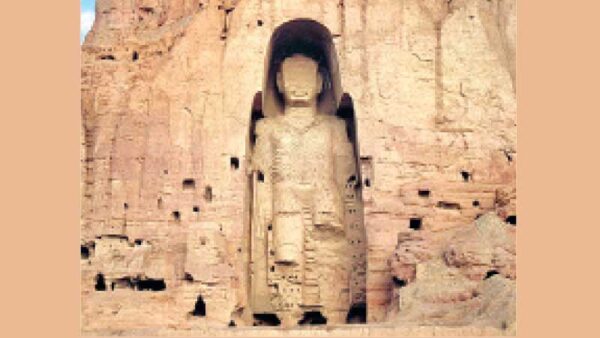
One of the colossal Buddha statues in Bamiyan

Source:Dailynews

Buddhist history is turning a corner. New finds suggest that it spread wider, lasted longer and was more influential than we realised. it is time to update the map.

Across Asia, geography is changing history. A slew of excavations and chance discoveries show that the history of Buddhism, the belief system that flourished from 600 BCE until a decline in the 13th century CE, still contains many surprises.

Newly unearthed sites in Uzbekistan are evidence that it spread farther than previously thought. Stupas and sculptures dating back 2,000 years show that it flowed into new territories earlier. And magnificent monastery complexes are proof that the Buddhist institutions exerted greater influence over commerce, urban development, economic systems and everyday life than previously thought.

Emerging from the digs are stone structures, coin caches, copper plates, mantras punched on gold foil, inscriptions on palm leaf and ivory, colourful murals, and scriptures in at least 20 languages. How did Buddhism, which preached a renouncement of the material world, leave behind such a staggering wealth of physical evidence? K.T.S. Sarao, former head of Buddhist Studies at the Delhi University, says that a mingling of the sacred and non-sacred was inevitable. “Monks spreading the Buddha’s teachings would travel along the Silk Road with merchant groups for safety; merchants, in turn, relied on them for spiritual support on these risky journeys,” Sarao says.

Over time, shrines sprouted at rest stops, becoming a constant in an uncertain landscape. “They grew to include storehouses, factories, banks, and guesthouses, allowing monks to benefit not only from royal patronage but from local commerce too.”

In Bihar, where the Buddha is said to have attained enlightenment, efforts are on to unearth an administrative centre that until now only existed in texts. A monastery headed by a woman has been found there, and in Odisha, there is evidence of an unusual meditation complex open to both monks and nuns. In Afghanistan, monasteries located alongside copper mines reveal how rich monks wielded clout over the region.

Archaeology, then, is recreating parts of the story that are not found in the scriptures. Because of the Buddha’s renunciation of material possessions and the self — he told followers he should not be the focus of their faith — there are key questions that are still unanswered. Researchers are hoping to confirm whether Kapilavastu, the Buddha’s childhood home, corresponds to the town in Nepal or one of the same name, not far away, in Uttar Pradesh. They are tracking how his teachings travelled clockwise out of central India, spreading through north-west Asia and then to China and further east over 1,000 years.

“Sri Lanka, Thailand and Myanmar have done admirable jobs of preserving Buddhist monuments,” says Sarao. In India, however, unmarked Buddhist sites are often mistaken for Hindu temples by locals. Idols of Buddha are worshipped as Shiva, Ashokan pillars are taken for lingams. “We should work together to preserve the Buddha’s legacy,” says Sarao. “His teachings are more relevant than ever.”

Across the arid Khyber Pakhtunkhwa Province, which encompasses much of the north and northwest of Pakistan, lie some 150 Buddhist heritage sites. The area was a major centre for early Buddhist development under Ashoka’s reign 2,300 years ago.

Italian archaeologists were investigating the province’s northern Swat region as far back as 1930. But digs were abandoned before discoveries could be made. Local teams, back at the site last year, were luckier. They discovered a monastery and education complex, the largest found in the region, and believed to be between 1,900 and 2,000 years old. Discovered thus far are stupas, viharas, a school and meditation halls, along with smaller cells higher in the mountains where monks could retreat into isolation. Also unearthed was a coin, helping date the site to the Kushan Empire (30 CE – 375 CE), which spread across modern-day Afghanistan, Pakistan and northern India and was instrumental in spreading Buddhist teachings. The bonanza: rare frescoes depicting figures in various poses, including the namaskar.

Afghanistan’s chance to make amends

It has been 20 years since the Taliban destroyed the Buddha colossi in Bamiyan. They still could not erase signs of Buddhism, which had a large following here until the 11th century. Cave networks, paintings and statuary have been found at six major sites.

In 2008, when the Chinese bought over the world’s second-biggest unexploited copper mine in Mes Aynak, the site of an ancient Buddhist settlement, archaeologists raced to document and salvage the 2,600-year-old monastery that stands there, before it was lost forever. Mes Aynak was a spiritual hub along the Silk Road from the 3rd to 8th centuries CE, a peaceful cosmopolitan pitstop run by monks who’d become rich from the copper ore. Researchers unearthed monastery complexes, watchtowers, walled zones, jewellery hoards, manuscripts and close to 100 stupas. One statue of the Buddha, twice as tall as a human, still bore traces of red, blue and orange on the robes. Several copper coins featured an image of the Kushan emperor Kanishka on one side, and the Buddha on the other.

As a result of Afghanistan’s poor infrastructure, mining work has stalled. Archaeologists could not be happier. Their initial three-year deadline for digs has stretched to nearly 13 years already, becoming the most ambitious excavation project in Afghanistan’s history. In 2016, when a mural was discovered in Termez in southern Uzbekistan, near today’s border with Afghanistan, few were surprised. Uzbekistan was, after all, once part of the Kushan Empire. Its residents were intermediaries as goods flowed west to Rome and east to China.

But the mural was unusual. It was discovered in a stone basement adjoining a pagoda and looked to have been made in the 2nd or 3rd century CE. Despite its age, its figures in blue and red were remarkably vivid, blending influences from East and West, its angled face shaded to mimic depth. It seemed to be part of a lost larger painting about the life of the Buddha. Researchers drew parallels with murals in Dunhuang, China, an eastern junction on the Silk Road. It was proof that the route did not just transfer things, it let art, religion and ideas flow in both directions too.

Nepal’s tryst with history

The Buddha disapproved of the idea of devotees focusing on him, and so little about him and his life is known. Followers believe that his mother, en route to her parents, went into labour and gave birth to him (grasping the branch of a sal tree) in the Lumbini garden in present-day Nepal. We know that Emperor Ashoka built the first Buddhist structure there — a pillar inscribed with his own name, the story of the Buddha’s birth, and a date corresponding to the 3rd century BCE.

That spot is now a UNESCO world heritage site. But in 2013, when British archaeologist Robin Coningham excavated inside the 3rd century BCE Maya Devi temple that also stands there, he found that the site (and Ashoka’s story) went deeper. Beneath the temple his team found a roofless wooden space, with signs of ancient tree roots over which a brick temple had once been built. Charcoal and sand fragments were carbon dated and found to be from 550 BCE, around the time the Buddha is said to have lived. If this was a Buddhist shrine, the timing would make it the first one ever built. Indian archaeologists are sceptical, though. “Tree shrines have been part of Hindu worship much earlier than the time of the Buddha,” says K.T.S. Sarao, who is also a former classmate of Coningham at Cambridge. “It is not unusual for temples to be renovated and there is no proof connecting it to the Buddha.”

He adds a further blow: The Government of India does not permit foreign archaeologists to dig here. So some scholars may exaggerate foreign findings to make them sound as important as the sites they cannot access, he says.

Meanwhile, work continues in Nepal. Coningham’s excavations in the Tilaurakot region, where the Buddha was believed to have lived as Prince Siddhartha, have unearthed the remains of an 1,800-year-old palace complex and walled city. There are courtyards, a central pond and stupas. But still no concrete connection to the Buddha.

(Hindustan Times)

TAGGED:Rachel Lopez
Share This Article
Facebook Whatsapp Whatsapp LinkedIn Email Copy Link Print
Previous Article Sri Lanka’s language problem explained-by Kalani Kumarasinghe
Next Article Lack of experience cost us the ODI series – Kusal Perera
FacebookLike
YoutubeSubscribe
LinkedInFollow
- Advertisement -
eLankaproperty - sell property in Sri Lanka, Sri Lanka property for sale, Sri Lanka real estate, Sri Lanka property listings, property marketplace Sri Lanka, land for sale Sri Lanka, houses for sale Sri Lanka, apartments for sale Sri Lanka, commercial property Sri Lanka, luxury villas Sri Lanka, Sri Lankan property investment, buy property in Sri Lanka, Colombo property for sale, beachfront property Sri Lanka, development land Sri Lanka, investment property Sri Lanka, property advertising Sri Lanka, real estate agents Sri Lanka, property brokers Sri Lanka, overseas Sri Lankan property buyers, Sri Lanka property website, list property online Sri Lanka, affordable property listings Sri Lanka, Sri Lanka homes for sale, Sri Lanka land investment, property developers Sri Lanka, real estate marketplace Sri Lanka, Sri Lanka commercial real estate, sell land in Sri Lanka, sell house in Sri Lanka, Sri Lanka property portal, global property marketplace Sri Lanka, Sri Lankan real estate investment, property management Sri Lanka, buy land Sri Lanka, residential property Sri Lanka, holiday homes Sri Lanka, Sri Lanka investment opportunities, real estate advertising Sri Lanka, eLankaProperty
- Advertisement -
ALTAIR
- Advertisement -
Ad image
eLanka Wedding
Most Read
Sandika Hemakumari

Sandika Hemakumari to Captain Sri Lanka’s Women’s Sevens Squad at the Colombo Leg of the Asia Rugby Sevens Series

Sri Lankan junior tennis players

Three Sri Lankan Girls Reach the ATF Under-16 Quarter-Finals in Colombo

Otherland Galle Opens on Sri Lanka’s Southern Coast With a Locally Built Approach to Hospitality AI-generated illustration based on source material. No authentic photograph of the Otherland Galle property is embedded in this article. Otherland Hotels opened its first property, Otherland Galle, on 12 October 2026, introducing a 66-key lifestyle hotel that brings together accommodation, dining, music and locally curated experiences on Sri Lanka’s southern coast. The opening adds a new hospitality concept to a region known for its beaches, historic Galle Fort and established surf culture, with the hotel’s programme designed to encourage visitors to engage with the wider destination as well as the property. Located on Matara Road, Otherland Galle is approximately 400 metres from Dewata Beach and 2.8 kilometres from Galle Fort, the UNESCO World Heritage Site. The hotel draws on the area’s culinary traditions, creative communities and coastal way of life, positioning local experiences as a central part of its offer rather than an optional addition to a conventional hotel stay. Founded by Rishi Sreedharan, Samarth Gowda and Emanuel Siddhartha in partnership with Beryll Group, Otherland Hotels is built around the philosophy “Never the Same Twice”. Its approach combines private rooms and suites with shared accommodation and communal spaces intended for different kinds of travellers, from couples and groups of friends to solo visitors and culturally curious guests. The co-founders, pictured from left: Emanuel Siddhartha, Rishi Sreedharan and Samarth Gowda. Source photograph: Lanka Business News. A design-led mix of rooms and shared spaces Designed by Studio Camarada, led by Andre Camara, the hotel has been arranged as a series of interconnected spaces rather than a conventional sequence of corridors and separate facilities. Its interiors draw on the colours and materials of the southern coast, including sandy neutrals, ocean blues and earthy tones, alongside rattan, ash, hand-tufted textiles and marble finishes. The 66-key accommodation comprises 24 Ocean Rooms, 25 Terra Rooms, 12 suites and five dormitories. Room sizes range from 27 square metres to the 70-square-metre Patio Suite, while the property also includes rooms designed for guests with disabilities. The mix offers a range of accommodation formats within one property, including shared dormitory options alongside private rooms and suites. At ground level, Bar-kery combines several functions: reception, coffee shop, bakery, aperitivo counter and informal co-working space. Its Vinyl Corner invites guests to browse records and choose music, giving the communal area a more participatory character. Colombo Coffee Company has developed an exclusive signature blend for the hotel. AI-generated illustrative image based on the reported design approach; it is not a photograph of Otherland Galle. The rooftop venue Creatures brings together a restaurant, cocktail bar, infinity pool and music space, with 270-degree views of the Indian Ocean. It is intended to serve as a daytime dining and swimming venue as well as an evening social space, linking the hotel’s food and music programmes with its coastal setting. Sri Lankan flavours, music and a sense of place The food programme is led by Chef Rajeev Kumar and draws on Sri Lankan culinary traditions, alongside international influences and contemporary techniques. Dishes listed for the menu include King Coconut Ceviche, Yellowfin Tuna Tataki, Lankan Fish Cutlets and Devilled Pork Ribs glazed with kithul treacle. A Watalappam Brûlée brings a familiar Sri Lankan dessert into a contemporary format. Arijit Bose leads the cocktail programme, while Aneesha Thapa manages day-to-day operations. Music is another part of the hotel’s identity, with programming across Afro, R&B, folk, funk, jazz fusion, house, techno and electronica. The combination of food, music and shared spaces is intended to make the property relevant to both visitors and people from the surrounding area. Co-founder Samarth Gowda described the approach as one intended to make the hotel feel accessible and personal: > “Otherland Galle should feel like yours from the moment you walk in. Luxury has often come with a sense of distance, with places appearing impressive because they do not feel accessible to everyone. That is not what we are building. Everything here is designed around who you are and how you want to spend your time.” AI-generated illustration of ingredients associated with Sri Lankan culinary traditions; not a photograph of the hotel’s kitchen or menu. The Other Side: experiences created with local communities A key element of the concept is The Other Side, an experiences programme developed in collaboration with local surfers, fishermen, artisans, guides, chefs and musicians. The activities are designed to connect guests with people and places beyond the hotel, while drawing on knowledge and skills already present in the Galle region. The programme includes curry masterclasses, guided walks through Galle Fort and surf lessons at Dewata Beach. Further afield, guests can take whale-watching excursions off Mirissa or kayak through the mangroves of Koggala Lake. Rooftop sunset sessions, arrack tastings, beach cricket and tuk-tuk bar crawls are among the social activities described as part of the offer. This community-led model gives local participants a role in shaping and delivering visitor experiences, rather than presenting the area only as a backdrop for sightseeing. Its longer-term value will depend on how consistently these partnerships are sustained and how directly local contributors benefit from the activity they help create. Co-founder Rishi Sreedharan said: > “At Otherland, curiosity is the operating principle. We measure success by whether guests leave with a real sense of Galle. The surfers, fishermen, chefs and craftspeople who live here have helped build these experiences, and they are the ones bringing them to life.” AI-generated coastal illustration based on the article’s setting; it does not depict a verified view from the property. A new option for visitors to Galle The opening marks the first phase of Otherland Galle’s development. A gym, wellness centre and banquet facilities are planned for a subsequent phase. The property’s initial offer, however, is already structured around more than its room inventory: its communal areas, food and beverage venues, music programme and locally developed activities form a connected hospitality concept. For Sri Lankans abroad planning a visit home, the opening provides another option near Galle, with a programme that brings together coastal recreation, local food, heritage and community knowledge. For the Galle area, the approach places local contributors at the centre of the visitor experience. Whether the model makes a lasting contribution will be measured not only by the facilities it offers, but also by the strength and continuity of those relationships. The launch also reflects a wider interest among culturally curious travellers in experiences that extend beyond accommodation and conventional sightseeing. In Galle, where historic landmarks sit alongside a living coastal culture, the opportunity is to create hospitality that is carefully designed while remaining connected to the people and traditions that give the destination its character. Sources: Lanka Business News; Colombo Times; Hiru News Gold FM; SoulofHospitality. This article was written based on the source https://www.lankabusinessnews.com/otherland-hotels-makes-its-debut-in-galle/ and corroborated by https://colombotimes.net/otherland-hotels-makes-its-debut-in-galle/, https://hirunews.lk/goldfmnews/493932/otherland-galle-opens-with-66-rooms-introduces-dormitories-to-luxury-hotel-mix and https://www.soulofhospitality.com/business/hotel-openings/otherland-hotels-enters-sri-lanka-with-a-new-approach-to-lifestyle-hospitality, kindly email us at info@eLanka.com.au if any information needs to be corrected. Click here to receive your free copy of the eLanka Newsletter twice a week delivered directly to your inbox! At eLanka, we respect the rights of creators. If we have used an image you own and you'd like it removed, please email us at info@elanka.com.au and we’ll handle it promptly. Thanks. eLanka team eLanka Disclaimer Content published on eLanka may be created by the eLanka team, submitted by contributors or third parties, reproduced or adapted from other sources with appropriate source acknowledgement, or provided as promotional/advertising material by our clients. While eLanka takes reasonable care in preparing and publishing content, we do not warrant its completeness or accuracy. Views expressed are those of the respective authors or contributors and do not necessarily represent the views of eLanka. Third-party contributors, content providers and advertisers are responsible for the accuracy of material they supply and for ensuring they hold the necessary rights and permissions for its publication. Advertising and promotional content should not be regarded as an endorsement by eLanka of any product, service or claim.

Otherland Galle Opens on Sri Lanka’s Southern Coast With a Locally Built Approach to Hospitality

Dilmah SIAL Paris 2026

Dilmah’s Three Innovations Selected for SIAL Paris 2026 as Company Named a Top Five SIAL For Change Finalist

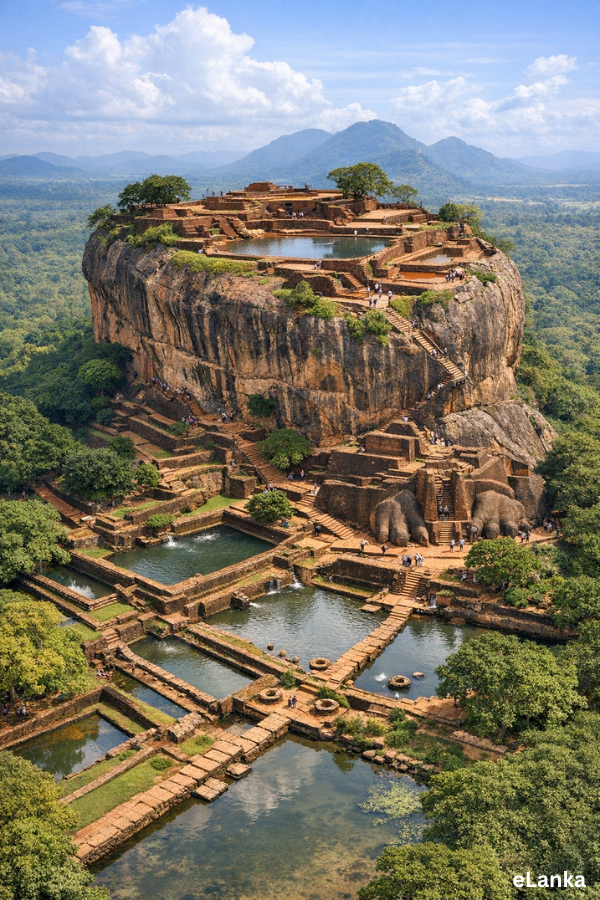
Sigiriya Sri Lanka

WHY WOULD A KING BUILD HIS PALACE ON TOP OF THIS ROCK?

Related News
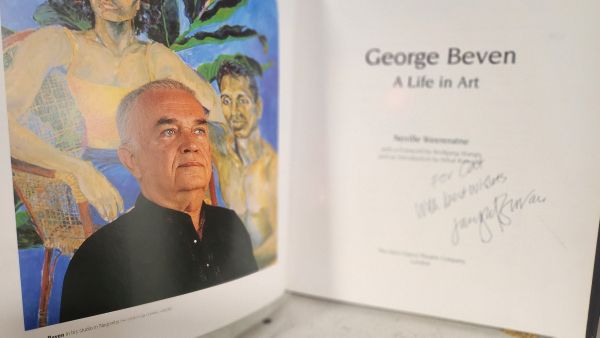
Re-writing history – the queer-washing of prolific Sri Lankan artist George Beven  ( PART ONE ) – by   Cat Clare Wright
Articles

Re-writing history – the queer-washing of prolific Sri Lankan artist George Beven ( PART ONE ) – by Cat Clare Wright

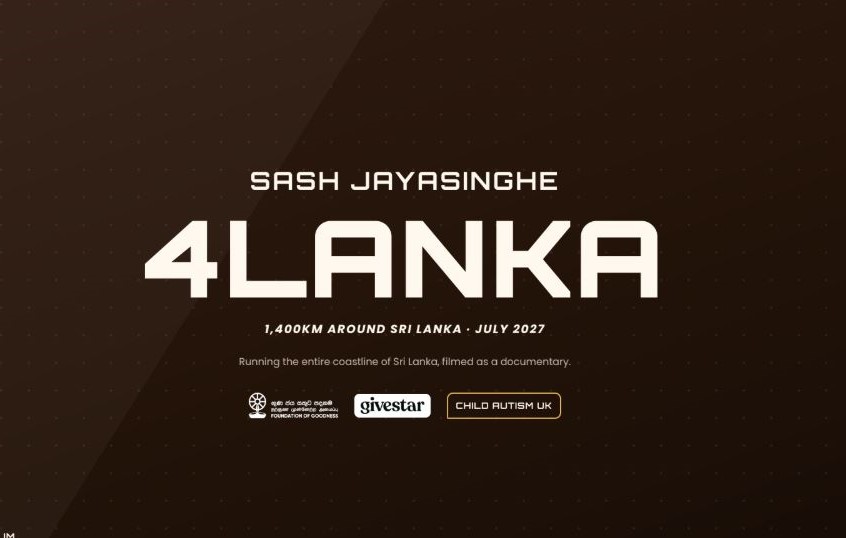
Sash Jayasinghe – 4LANKA 1,400KM Sri Lanka Run 2027
Articles

Sash Jayasinghe’s 4LANKA: 1,400KM Around Sri Lanka – July 2027

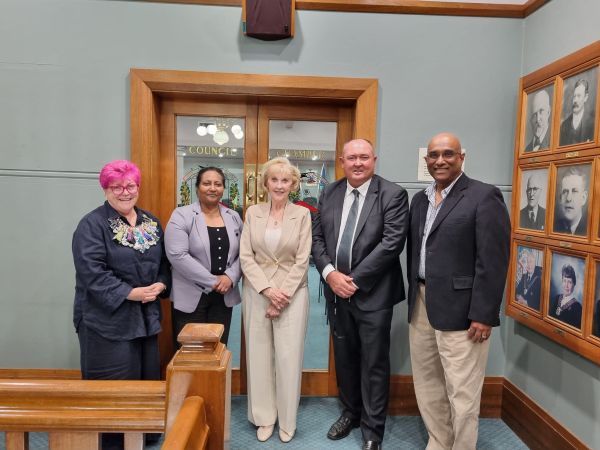
A Vision for Culturally Inclusive Aged Care-Pearl Life Care Meets with Hornsby Shire Council
Articles

A Vision for Culturally Inclusive Aged Care: Pearl Life Care Meets with Hornsby Shire Council

Janani Dananjana Wickramasinghe at Asian Para Games 2026
Articles

Janani Dananjana Wickramasinghe Carries Sri Lanka’s Medal Hopes in Three Events at the Asian Para Games 2026

Sri Lanka U19 Women
Articles

Limansa Thilakarathna and Sanjana Kavindi Lead Sri Lanka U-19 Women Past Pakistan for a Fourth Straight Win

  • Quick Links:
  • Articles
  • DESMOND KELLY
  • Dr Harold Gunatillake
  • English Videos
  • Sri Lanka
  • Sinhala Videos
  • Obituaries
  • eLanka Newsletters
  • Sunil Thenabadu
  • Trevine Rodrigo
  • Dr. Harold Gunatillake
  • Tamil Videos
  • Sinhala Movies
  • eLanka Newsletter
  • Photos

eLanka

Your Trusted Source for News & Community Stories: Stay connected with reliable updates, inspiring features, and breaking news. From politics and technology to culture, lifestyle, and events, eLanka brings you stories that matter — keeping you informed, engaged, and connected 24/7.
Kerrie road, Oatlands , NSW 2117 , Australia.
Email : info@eLanka.com.au / rasangivjes@gmail.com.
WhatsApp : +61402905275 / +94775882546
  • About eLanka
  • Terms & Conditions

Disclaimer:
eLanka is committed to sharing positive and community-focused stories. We do not publish or endorse political, religious, or ethnic viewpoints. The content published on eLanka, including articles and newsletters, reflects the opinions and views of the respective authors and not those of eLanka. eLanka accepts no responsibility or liability for the accuracy, completeness, or consequences of any content provided by contributors.

(c) 2005 – 2025 eLanka Pty Ltd. All Rights Reserved.