News & Community eLanka

eLanka

Friday, 16 Oct 2026
  • Home
  • Read History
  • Articles
    • eLanka Journalists
  • Events
  • Useful links
    • Obituaries
    • Seeking to Contact
    • eLanka Newsletters
    • Weekly Events and Advertisements
    • eLanka Testimonials
    • Sri Lanka Newspapers
    • Sri Lanka TV LIVE
    • Sri Lanka Radio
    • eLanka Recepies
  • Gallery
  • Contact
Newsletter
Sri lankan news
  • eLanka Weddings
  • Property
  • eLanka Shop
  • Business Directory
eLankaeLanka
Font ResizerAa
Search
  • Home
  • Read History
  • Articles
    • eLanka Journalists
  • Events
  • Useful links
    • Obituaries
    • Seeking to Contact
    • eLanka Newsletters
    • Weekly Events and Advertisements
    • eLanka Testimonials
    • Sri Lanka Newspapers
    • Sri Lanka TV LIVE
    • Sri Lanka Radio
    • eLanka Recepies
  • Gallery
  • Contact
Follow US
© 2005 – 2026 eLanka Pty Ltd. All Rights Reserved.
Home » Goodnews Stories Srilankan Expats » Articles » Conservation in crisis
Articles

Conservation in crisis

eLanka admin
Last updated: December 20, 2021 12:03 pm
By
eLanka admin
ByeLanka admin
Follow:
Share
9 Min Read
SHARE
Views: 76

Conservation in crisis

Conservation in crisis

Source :Dailymirror

2020 has been a testing and trying year for many people across the globe. A raging pandemic that has incapacitated major cities worldwide has put a pause to the significant threat towards a growing environmental crisis. A 2019 United Nations report noted that nature’s dangerous decline is unprecedented in human history, and the extinction rates of species is only accelerating.

In Sri Lanka, the first half of 2020 has been brutal to some of the country’s rare endemic species. Four Sri Lankan leopards have been killed, while another two have been severely injured, after being caught in wire snares in these six months alone.


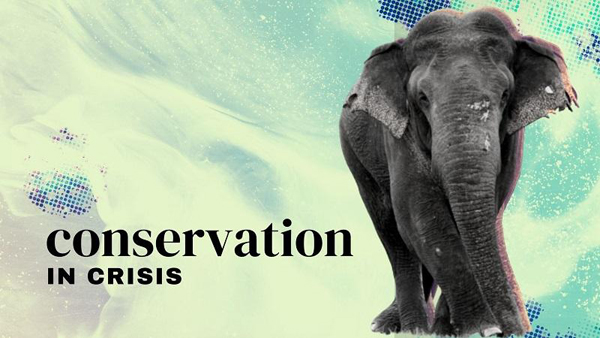
In 2019 Sri Lanka lost a record number of elephants. 361 elephant deaths were reported in the country, the highest figure of elephant deaths to be reported since 1948. Researchers have revealed that Sri Lanka is the country which reports the greatest number of annual elephant deaths in the world. As the Human Elephant conflict is a widespread issue in the island, human deaths due to this conflict too have been increasing.

Instead of mitigating this issue, state sponsored development efforts appear to be making the problem worse. Recent reports revealed that a 25 acre area of land has been leased to a private company named Prime Site for a mango plantation to be developed. The proposed site is located at Kiralawa Forest Reserve which is in close proximity to Kala Wewa and the Kahalla-Pallekele sanctuary, which is frequently used as a migratory route by elephants.

In Galgamuwa, a 60-acre area of land belonging to a local temple was reportedly leased out to a private company as another plantation site. Meanwhile an ongoing aloe vera plantation project in Wilpattu, has seen the construction of a man-made lake. Adjoining the Wilpattu National Park buffer zone, the project has raised concerns over possible threats to the sensitive ecosystem, including drying up of catchment areas.

Government authorities however insist that the lands leased to private entities are in no way harming the passage of elephants or threatening the natural ecosystem. The same government’s Minister of Wildlife S.M. Chandrasena launched a program in January this year to provide firearms to Civil Defence Force personnel for self-defence against wild elephant invasions.


Conservationists warn that the human elephant conflict is a complex and sensitive issue, that cannot be solved by weapons.

Meanwhile there are also dozens of elephants in captivity in Sri Lanka. The animals are either used in tourism, while others are kept at temples for various festivals.

A handful of private owners too rear elephants in captivity, although they require a special permit from the government.

Elephant racketeering however is not unheard of in Sri Lanka. The most recent case of elephant trafficking involves Samarappulige Niraj Roshan, alias ‘Ali Roshan’ who is accused of keeping five elephants without a permit.

Recently heartbreaking footage emerged of wildlife department officials attempting to rescue and treat a female elephant, with a gunshot wound. Its scared calf running away from the officers. Officials have been unable to track the month-old calf thus far, sparking conspiracies that this is yet another elephant trafficking racket.

Role of activists


Despite being a nation that advocates, promotes and boasts about its Buddhist ideologies, the first of the Five Precepts (Pancha sila) has long been ignored. Living beings are harmed at a rate and many animals have been cruelly treated for years. From time to time there have been news of stray animals being rounded up and taken away and at times dogs being shot in broad daylight. The human-elephant conflict on the other hand is on the rise and protected species like the black leopard too fell victim to human cruelty. However, animal welfare activists have been fighting to pass the 15-year long Animal Welfare Bill which is in its final stages according to those who actively contributed in its drafting process. In their capacities, activists have added pressure to ensure that animals are treated humanely. But is their voice enough?

“Once a politician told me “well, we will be serious about animal welfare if they have a vote”, recalled Dumindra Ratnayake, who has continuously voiced for the rights of animals. “So to get the politicians and governments be serious about animal welfare the voter must demand it. Activists can play a major role here by educating the public at large, to understand the issues at hand, to be empathetic and compassionate, to make public understand that we must live and let live, that it cannot always be everything for humans. Education can help reduce the human-animal conflict.”

Global best practices


Wildlife conservation and all its issues are not to Sri Lanka. Kenya, a country celebrated for its rich bio diversity is also renowned for its illicit wildlife trade. The diversity of Kenya’s wildlife has garnered international fame, especially for its populations of large animals. Spotting the Big Five and safariing in its expansive parks including Masai Mara are favorites among wildlife lovers. However, a darker side to this beauty also exists with poaching and hunting practices. But, poachers have a heavy price to pay if found guilty and on the other hand, wildlife services have been streamlined to be of maximum efficiency, prioritizing the welfare of animals.

“In Kenya, where Serendipity Wildlife Foundation (SWF) operates, we have observed very efficient operations and a swift response by the Kenya Wildlife Services,” said SWF Chief Executive Officer Ravi Perera. “They have about six mobile veterinary units that are located in various parts of the country, and these vehicles, along with a veterinary doctor respond when needed. Vehicles and personnel are equipped with two-way radios for easy communication. Kenya has excellent support and a good working relationship from conservation organizations that partner with them.”

He further said that if an elephant or other animal is injured, most times due to poaching by poisoned arrows or spears, the mobile vet vehicle responds, tranquilizes the elephants, and removes the projectile. “The elephant is very often treated at the scene and then released. The response is swift, and nipped in the bud, to prevent infection, and possible death. I have often seen that whenever such an operation is conducted, the immediate area is well secured and only access to the veterinary staff is granted. There are no lookie-loos, no villagers, and no police officers who should be in charge of crowd control coming in to the immediate area to take videos on their phone. Kenya also has the advantage of air support, with a helicopter readily available when needed for operations. Tranquilizing is often done from the air as it is safer when large herds are present. I have seen the herd standing by at a distance, and after the elephant is treated it rejoins the herd.”


Mr. Perera further said that last year Kenya announced the death penalty for poachers, but there have been mixed reactions from the public. “While conservationists support it, human rights groups are against it. Currently the fine for poaching is $225,000 and/or life in prison.”

What is the sustainable approach to dealing with the human elephant conflict? Should development come at the cost of our precious wildlife? How many losses would it take for Sri Lanka to wake up to this reality?

Reporting by Kamanthi Wickramasinghe, Kalani Kumarasinghe, Piyumi Fonseka and Yoshitha Perera


TAGGED:Dumindra RatnayakeKala WewaKiralawa Forest ReserveRavi Perera
Share This Article
Facebook Whatsapp Whatsapp LinkedIn Email Copy Link Print
Previous Article Dr Harold Gunatillake (2) Video presentation on Muscle Cramps- who gets it?-By Harold Gunatillake
Next Article Shiroma P-N New age poetess: Shiroma Perera-Nathan – Story: Marie Pietersz (The Write Touch), Melbourne (Pictures: Shiroma P-N)
FacebookLike
YoutubeSubscribe
LinkedInFollow
- Advertisement -
eLankaproperty - sell property in Sri Lanka, Sri Lanka property for sale, Sri Lanka real estate, Sri Lanka property listings, property marketplace Sri Lanka, land for sale Sri Lanka, houses for sale Sri Lanka, apartments for sale Sri Lanka, commercial property Sri Lanka, luxury villas Sri Lanka, Sri Lankan property investment, buy property in Sri Lanka, Colombo property for sale, beachfront property Sri Lanka, development land Sri Lanka, investment property Sri Lanka, property advertising Sri Lanka, real estate agents Sri Lanka, property brokers Sri Lanka, overseas Sri Lankan property buyers, Sri Lanka property website, list property online Sri Lanka, affordable property listings Sri Lanka, Sri Lanka homes for sale, Sri Lanka land investment, property developers Sri Lanka, real estate marketplace Sri Lanka, Sri Lanka commercial real estate, sell land in Sri Lanka, sell house in Sri Lanka, Sri Lanka property portal, global property marketplace Sri Lanka, Sri Lankan real estate investment, property management Sri Lanka, buy land Sri Lanka, residential property Sri Lanka, holiday homes Sri Lanka, Sri Lanka investment opportunities, real estate advertising Sri Lanka, eLankaProperty
- Advertisement -
ALTAIR
- Advertisement -
Ad image
eLanka Wedding
Most Read
Liverpool city Council

Liverpool faces $1.8 million funding cut as city grows

What Everyone with Diabetes Should Know-eLanka

What Everyone with Diabetes Should Know: The Truth-by Harold Gunatillake

Ashoka Colombage

Ashoka Colombage-by Gamini Kariyawasam

Digampathana-The Day the Navy Was Shattered – Sri Lanka Guardian

Digampathana: The Day the Navy Was Shattered – Sri Lanka Guardian-by Ravindra C Wijegunaratne

Shemara Wikramanayake: Sri Lankan Roots to Macquarie CEO

Shemara Wikramanayake: From Sri Lankan Beginnings to Leading Macquarie Group on the Global Stage

Related News
Navi Pillay Honoured
Articles

Navi Pillay Honoured: A Legacy of Peace, Justice and Human Rights

Sandika Hemakumari
Articles

Sandika Hemakumari to Captain Sri Lanka’s Women’s Sevens Squad at the Colombo Leg of the Asia Rugby Sevens Series

Sri Lankan junior tennis players
Articles

Three Sri Lankan Girls Reach the ATF Under-16 Quarter-Finals in Colombo

Otherland Galle Opens on Sri Lanka’s Southern Coast With a Locally Built Approach to Hospitality AI-generated illustration based on source material. No authentic photograph of the Otherland Galle property is embedded in this article. Otherland Hotels opened its first property, Otherland Galle, on 12 October 2026, introducing a 66-key lifestyle hotel that brings together accommodation, dining, music and locally curated experiences on Sri Lanka’s southern coast. The opening adds a new hospitality concept to a region known for its beaches, historic Galle Fort and established surf culture, with the hotel’s programme designed to encourage visitors to engage with the wider destination as well as the property. Located on Matara Road, Otherland Galle is approximately 400 metres from Dewata Beach and 2.8 kilometres from Galle Fort, the UNESCO World Heritage Site. The hotel draws on the area’s culinary traditions, creative communities and coastal way of life, positioning local experiences as a central part of its offer rather than an optional addition to a conventional hotel stay. Founded by Rishi Sreedharan, Samarth Gowda and Emanuel Siddhartha in partnership with Beryll Group, Otherland Hotels is built around the philosophy “Never the Same Twice”. Its approach combines private rooms and suites with shared accommodation and communal spaces intended for different kinds of travellers, from couples and groups of friends to solo visitors and culturally curious guests. The co-founders, pictured from left: Emanuel Siddhartha, Rishi Sreedharan and Samarth Gowda. Source photograph: Lanka Business News. A design-led mix of rooms and shared spaces Designed by Studio Camarada, led by Andre Camara, the hotel has been arranged as a series of interconnected spaces rather than a conventional sequence of corridors and separate facilities. Its interiors draw on the colours and materials of the southern coast, including sandy neutrals, ocean blues and earthy tones, alongside rattan, ash, hand-tufted textiles and marble finishes. The 66-key accommodation comprises 24 Ocean Rooms, 25 Terra Rooms, 12 suites and five dormitories. Room sizes range from 27 square metres to the 70-square-metre Patio Suite, while the property also includes rooms designed for guests with disabilities. The mix offers a range of accommodation formats within one property, including shared dormitory options alongside private rooms and suites. At ground level, Bar-kery combines several functions: reception, coffee shop, bakery, aperitivo counter and informal co-working space. Its Vinyl Corner invites guests to browse records and choose music, giving the communal area a more participatory character. Colombo Coffee Company has developed an exclusive signature blend for the hotel. AI-generated illustrative image based on the reported design approach; it is not a photograph of Otherland Galle. The rooftop venue Creatures brings together a restaurant, cocktail bar, infinity pool and music space, with 270-degree views of the Indian Ocean. It is intended to serve as a daytime dining and swimming venue as well as an evening social space, linking the hotel’s food and music programmes with its coastal setting. Sri Lankan flavours, music and a sense of place The food programme is led by Chef Rajeev Kumar and draws on Sri Lankan culinary traditions, alongside international influences and contemporary techniques. Dishes listed for the menu include King Coconut Ceviche, Yellowfin Tuna Tataki, Lankan Fish Cutlets and Devilled Pork Ribs glazed with kithul treacle. A Watalappam Brûlée brings a familiar Sri Lankan dessert into a contemporary format. Arijit Bose leads the cocktail programme, while Aneesha Thapa manages day-to-day operations. Music is another part of the hotel’s identity, with programming across Afro, R&B, folk, funk, jazz fusion, house, techno and electronica. The combination of food, music and shared spaces is intended to make the property relevant to both visitors and people from the surrounding area. Co-founder Samarth Gowda described the approach as one intended to make the hotel feel accessible and personal: > “Otherland Galle should feel like yours from the moment you walk in. Luxury has often come with a sense of distance, with places appearing impressive because they do not feel accessible to everyone. That is not what we are building. Everything here is designed around who you are and how you want to spend your time.” AI-generated illustration of ingredients associated with Sri Lankan culinary traditions; not a photograph of the hotel’s kitchen or menu. The Other Side: experiences created with local communities A key element of the concept is The Other Side, an experiences programme developed in collaboration with local surfers, fishermen, artisans, guides, chefs and musicians. The activities are designed to connect guests with people and places beyond the hotel, while drawing on knowledge and skills already present in the Galle region. The programme includes curry masterclasses, guided walks through Galle Fort and surf lessons at Dewata Beach. Further afield, guests can take whale-watching excursions off Mirissa or kayak through the mangroves of Koggala Lake. Rooftop sunset sessions, arrack tastings, beach cricket and tuk-tuk bar crawls are among the social activities described as part of the offer. This community-led model gives local participants a role in shaping and delivering visitor experiences, rather than presenting the area only as a backdrop for sightseeing. Its longer-term value will depend on how consistently these partnerships are sustained and how directly local contributors benefit from the activity they help create. Co-founder Rishi Sreedharan said: > “At Otherland, curiosity is the operating principle. We measure success by whether guests leave with a real sense of Galle. The surfers, fishermen, chefs and craftspeople who live here have helped build these experiences, and they are the ones bringing them to life.” AI-generated coastal illustration based on the article’s setting; it does not depict a verified view from the property. A new option for visitors to Galle The opening marks the first phase of Otherland Galle’s development. A gym, wellness centre and banquet facilities are planned for a subsequent phase. The property’s initial offer, however, is already structured around more than its room inventory: its communal areas, food and beverage venues, music programme and locally developed activities form a connected hospitality concept. For Sri Lankans abroad planning a visit home, the opening provides another option near Galle, with a programme that brings together coastal recreation, local food, heritage and community knowledge. For the Galle area, the approach places local contributors at the centre of the visitor experience. Whether the model makes a lasting contribution will be measured not only by the facilities it offers, but also by the strength and continuity of those relationships. The launch also reflects a wider interest among culturally curious travellers in experiences that extend beyond accommodation and conventional sightseeing. In Galle, where historic landmarks sit alongside a living coastal culture, the opportunity is to create hospitality that is carefully designed while remaining connected to the people and traditions that give the destination its character. Sources: Lanka Business News; Colombo Times; Hiru News Gold FM; SoulofHospitality. This article was written based on the source https://www.lankabusinessnews.com/otherland-hotels-makes-its-debut-in-galle/ and corroborated by https://colombotimes.net/otherland-hotels-makes-its-debut-in-galle/, https://hirunews.lk/goldfmnews/493932/otherland-galle-opens-with-66-rooms-introduces-dormitories-to-luxury-hotel-mix and https://www.soulofhospitality.com/business/hotel-openings/otherland-hotels-enters-sri-lanka-with-a-new-approach-to-lifestyle-hospitality, kindly email us at info@eLanka.com.au if any information needs to be corrected. Click here to receive your free copy of the eLanka Newsletter twice a week delivered directly to your inbox! At eLanka, we respect the rights of creators. If we have used an image you own and you'd like it removed, please email us at info@elanka.com.au and we’ll handle it promptly. Thanks. eLanka team eLanka Disclaimer Content published on eLanka may be created by the eLanka team, submitted by contributors or third parties, reproduced or adapted from other sources with appropriate source acknowledgement, or provided as promotional/advertising material by our clients. While eLanka takes reasonable care in preparing and publishing content, we do not warrant its completeness or accuracy. Views expressed are those of the respective authors or contributors and do not necessarily represent the views of eLanka. Third-party contributors, content providers and advertisers are responsible for the accuracy of material they supply and for ensuring they hold the necessary rights and permissions for its publication. Advertising and promotional content should not be regarded as an endorsement by eLanka of any product, service or claim.
Articles

Otherland Galle Opens on Sri Lanka’s Southern Coast With a Locally Built Approach to Hospitality

Dilmah SIAL Paris 2026
Articles

Dilmah’s Three Innovations Selected for SIAL Paris 2026 as Company Named a Top Five SIAL For Change Finalist

  • Quick Links:
  • Articles
  • DESMOND KELLY
  • Dr Harold Gunatillake
  • English Videos
  • Sri Lanka
  • Sinhala Videos
  • Obituaries
  • eLanka Newsletters
  • Sunil Thenabadu
  • Trevine Rodrigo
  • Dr. Harold Gunatillake
  • Tamil Videos
  • Sinhala Movies
  • eLanka Newsletter
  • Photos

eLanka

Your Trusted Source for News & Community Stories: Stay connected with reliable updates, inspiring features, and breaking news. From politics and technology to culture, lifestyle, and events, eLanka brings you stories that matter — keeping you informed, engaged, and connected 24/7.
Kerrie road, Oatlands , NSW 2117 , Australia.
Email : info@eLanka.com.au / rasangivjes@gmail.com.
WhatsApp : +61402905275 / +94775882546
  • About eLanka
  • Terms & Conditions

Disclaimer:
eLanka is committed to sharing positive and community-focused stories. We do not publish or endorse political, religious, or ethnic viewpoints. The content published on eLanka, including articles and newsletters, reflects the opinions and views of the respective authors and not those of eLanka. eLanka accepts no responsibility or liability for the accuracy, completeness, or consequences of any content provided by contributors.

(c) 2005 – 2025 eLanka Pty Ltd. All Rights Reserved.