England take T20 series against lead footed Sri Lanka in Cardiff.
Extraordinary comments from Sangakkara points out the difference between the best and the rest.
BY TREVINE RODRIGO IN MELBOURNE.
(eLanka Sports Editor)

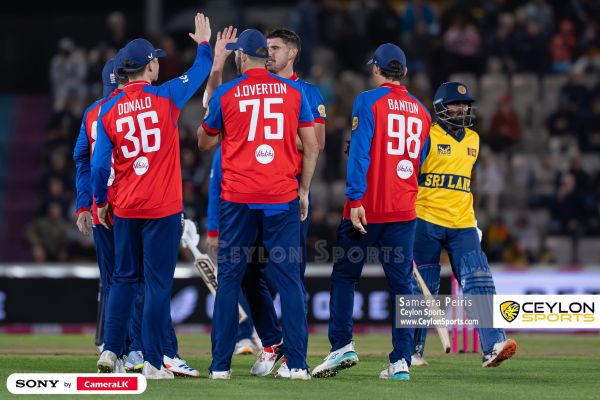
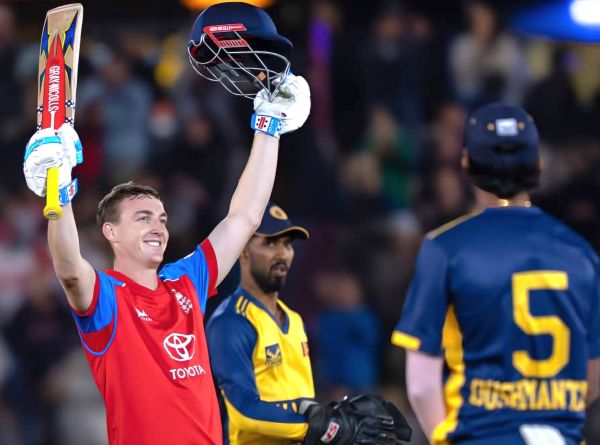
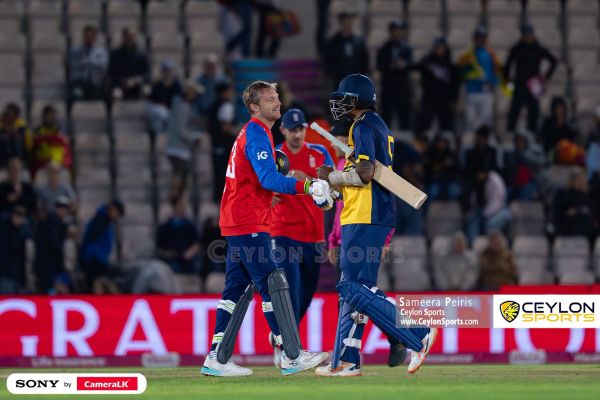
England exposed Sri Lanka’s mediocrity with the bat and obvious lack of research by thrashing them for a second time by six wickets with 47 balls to spare in Cardiff.
Sri Lanka’s batters once again had no clue against a disciplined and accurate England attack that reduced them to a paltry 145 for 9 making the tour a clear cut mismatch.
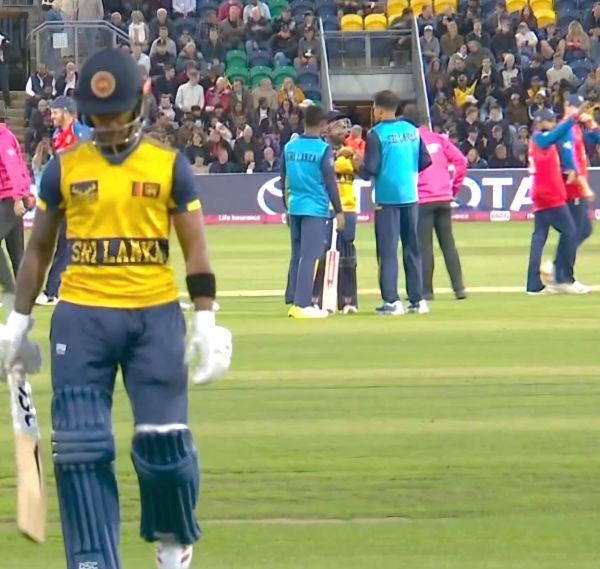
But it had more to do with the lack of knowledge and handling of the ground dimensions and conditions in Cardiff.
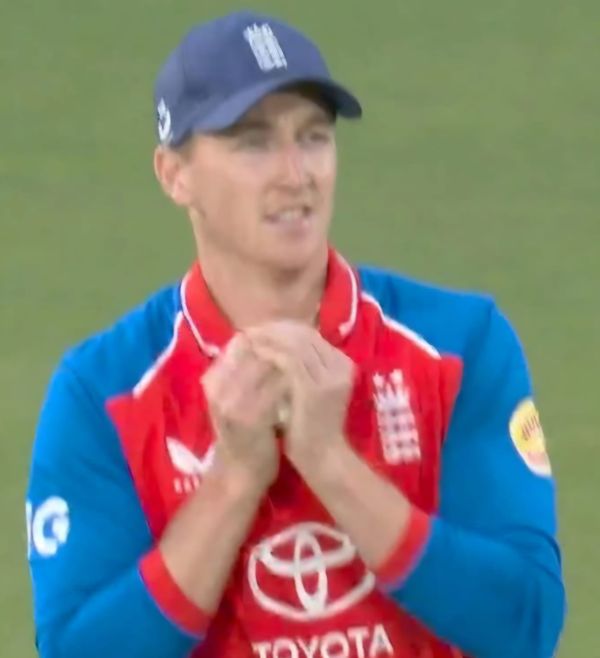
England’s mainly pace and seam attack destroyed Sri Lanka’s batters for a second time and proved the difference between the bowlers of both sides.
I recently questioned why countries such as England don’t afford uncompetitive teams an invite regularly.
The answer is justifiably evident judging by the embarrassing performance of the visitors who look set for a whitewash in the three-match T20 series.
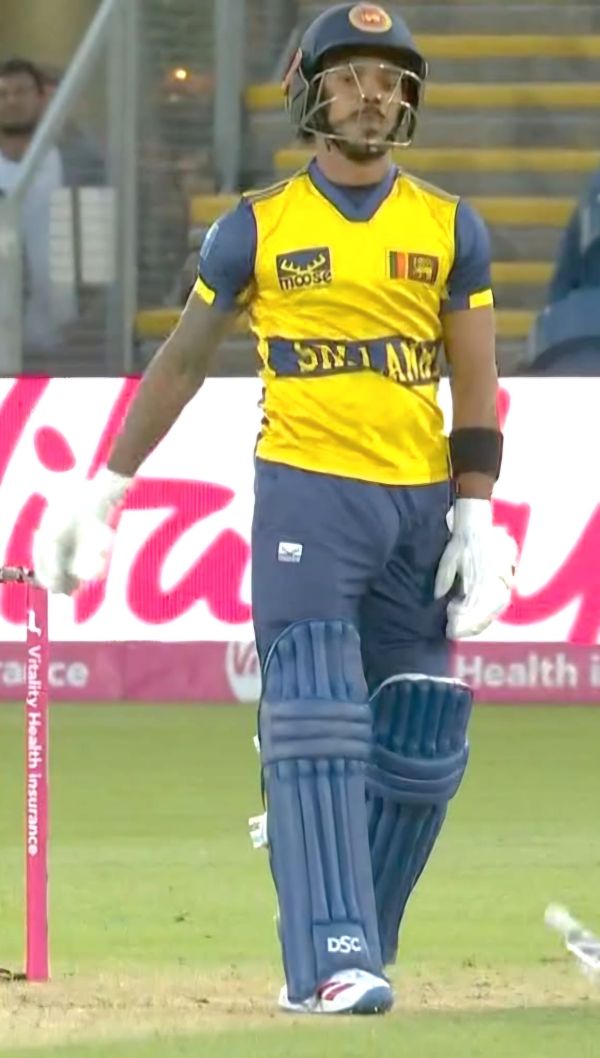
Down 0-2 Sri Lanka must look ahead to redeeming themselves in the three-match one-dayers which follow or expect to hope that England will want to accommodate them within the next decade.
Hindsight suggests that the squad selected for this format is questionable and maybe a bad choice from the form of players in the recently concluded local tournament in contrasting conditions.
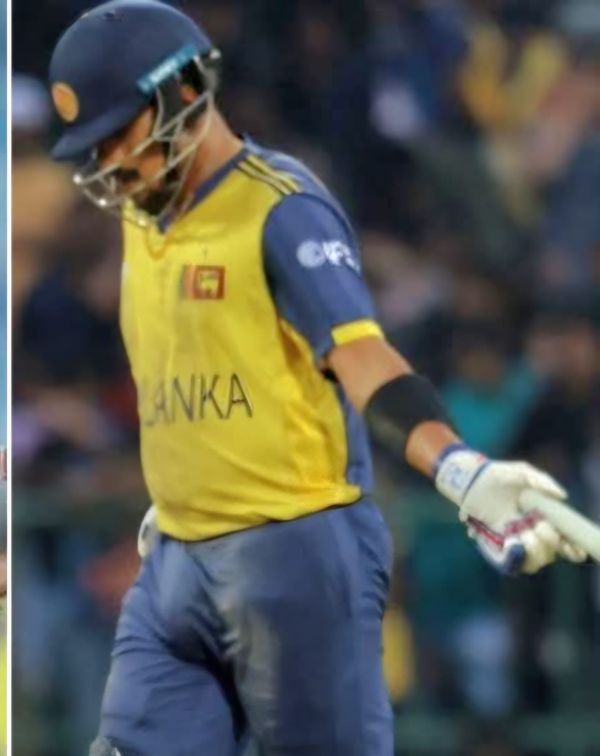
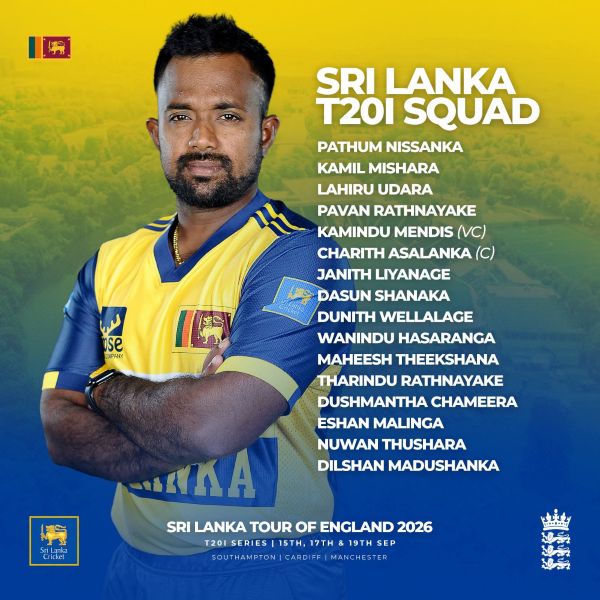
Apart from Skipper Asalanka Pathum Nissanka and Wannindu Hasarsnga, the rest were all at sea against an established England attack thriving in the bounce and movement in familiar conditions.
What raised eyebrows was the usually unflappable Sri Lanka legend Kumar Sangakkara weighing in on their poor performance by questioning the team selection and the validity of skipper Charith Asalanka’s place in the team.
He said the lack of competitiveness by Sri Lanka highlighted the difference between the best and the rest and a wide gulf between them.
Sangakkara’s observation is challenging about Asalanka’s place in the team, seeing he has been the only shining light with the bat for Sri Lanka so far. But his reinstatement as captain in the absence of injured Kusal Mendis may have some merit.

It was an unusual observation from a respected commentator whose scything remarks post match about the obvious, and being a member of the newly formed Transformation Committee was untimely under the circumstance the tourists are under.
It could suggest an undercurrent of a rift between the selection committee and the Transformation team set up to clear the mess of the former regime who many from within believe are a result of sniping in the background.

Sri Lanka’s batting woes have been long established around inconsistency. When they fire, which is seldom, they can beat anyone. But that has not been the case for the past few years.
The unfolding debacle throws valid questions over Sri Lanka’s selectors who are under the pump and giving the outgoing former committee something to smirk about.
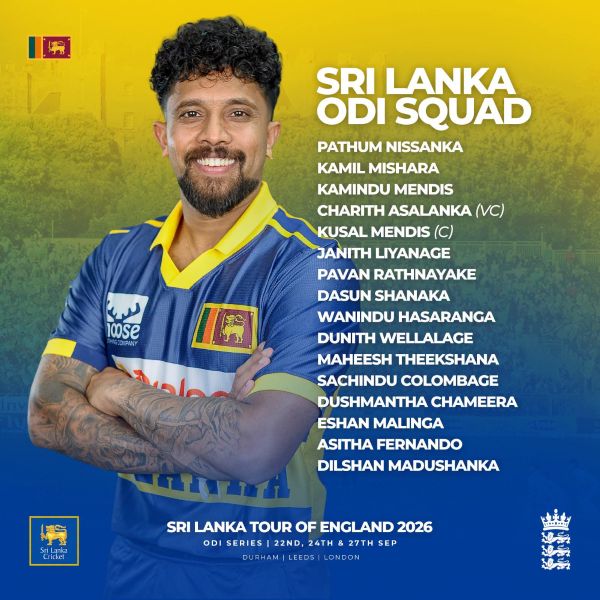
Only a dead rubber rounds off the T20 series at the Oval with the result being academic from England’sviewpoint.
Game two saw England put Sri Lanka in and their bowlers got to work on a team devoid of ideal shot selection.
Pathum Nissanka regained a welcome return to form with the bat although nowhere near his potential, while Asalanka and Hasarsnga made useful contributions that flattered but fell well short of a par total.

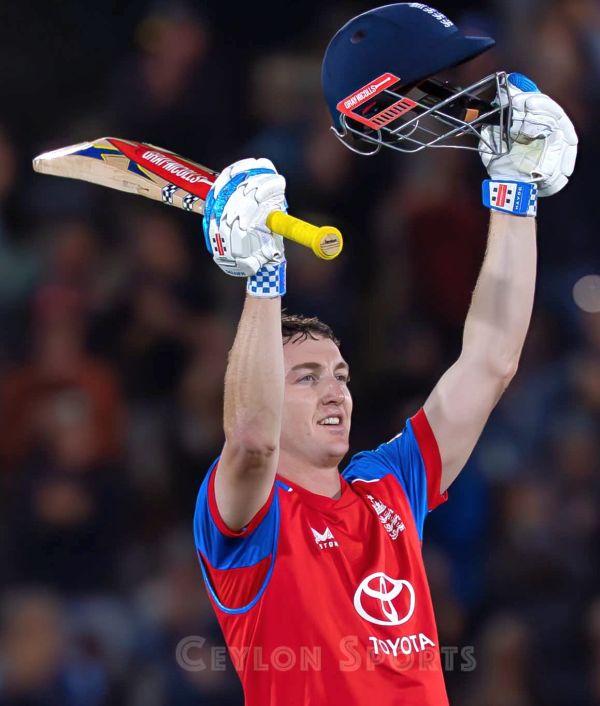
England chased it down in a canter going at nearly 15 runs an over to win with nearly eight ivers remaining.
The next game at the Oval will have little significance.