Let’s explore the wonderful benefits of B vitamins together!-by Harold Gunatillake

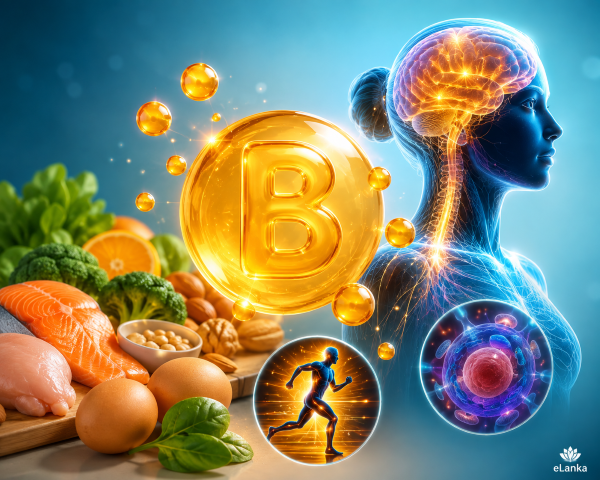
B vitamins play a vital role as coenzymes, helping your body turn food into energy and keeping your cellular functions running smoothly.
Have you ever wondered what coenzymes are? They’re tiny, non-protein organic molecules that team up with enzymes to make biochemical reactions happen smoothly. Think of them as little “chemical helpers”! Without these friendly helpers, many enzymes wouldn’t be active on their own, and that’s what helps everything work just right.
Known as the B-vitamin complex, these eight water-soluble nutrients work together to help your metabolism, nervous system, brain health, and tissue repair stay in top shape.
Because water-soluble vitamins are not stored in your body (except B12), it’s good to include them regularly in your diet. Unlike fat-soluble vitamins like A, D, E, and K, which are stored in your liver and can be toxic if taken in excess, water-soluble ones are usually safer and need to be replenished daily. This way, you help your body stay nourished and balanced.
Breakdown of the 8 B Vitamins
Each B vitamin plays a special and important role in helping your body stay healthy and functioning well.
| Vitamin | Primary Body Functions | Top Food Sources |
|
B1 (Thiamin) |
Converts glucose into cellular energy; supports optimal nerve function. | Whole grains, pork, fish, sunflower seeds. |
|
B2 (Riboflavin) |
Powers energy production; acts as an antioxidant; preserves healthy vision and skin. | Eggs, organ meats, lean meats, green milk. |
|
B3 (Niacin) |
Directs cellular signalling, DNA repair, and the metabolism of fats and carbohydrates. | Poultry, tuna, lentils, beef. |
| B5
(Pantothenic Acid) |
Breaks down dietary fats; helps manufacture red blood cells and stress hormones. | Mushrooms, avocado, chicken, yoghurt. |
|
B6 (Pyridoxine) |
Regulates the immune response (produces white blood cells); synthesises mood-regulating brain chemicals such as serotonin. | Chickpeas, salmon, potatoes, bananas. |
|
B7 (Biotin) |
Manages gene expression; processes fatty acids; supports hair and nail strength. | Beef liver, egg yolks, salmon, nuts. |
|
B9 (Folate / Folic Acid) |
Vital for rapid cell division, DNA replication, and lowering the risk of fetal neural tube defects during pregnancy. | Dark leafy greens, beans, peanuts, fortified grains. |
|
B12 (Cobalamin) |
Preserves the protective myelin sheath around nerves; prevents megaloblastic anaemia by promoting red blood cell production. |
Meat, fish, dairy, eggs, fortified nutritional yeast. |
Summary of System-Wide Benefits
- Brain and Mood Regulation: Vitamins B6, B9, and B12 break down homocysteine (high levels are linked to heart issues and cognitive decline) and assist in making neurotransmitters that fight stress and
- Red Blood Cell Manufacture: B5, B6, B9, and B12 ensure your body generates healthy red blood cells to transport oxygen, protecting you against fatigue and anaemia.
- DNA and Cell Maintenance: They serve as construction workers for your genetic material, continuously repairing damaged cells and sustaining structural health across your skin, hair, and gut
Have you considered taking Vitamin B complex supplements? They can be a great addition to your health routine!
In most cases, if you’re eating a balanced and nutrient-rich diet regularly, you usually don’t need to worry about taking vitamin B complex supplements. It’s always a good idea to focus on good nutrition first!
Your body readily absorbs B vitamins from whole foods, and since they’re water-soluble, any extra your body doesn’t need is simply washed out in your urine.
However, some groups might need to consider taking supplements if they find it difficult to get or absorb enough B vitamins from their diet alone.
Strict vegans and vegetarians should remember that vitamin B12 naturally occurs only in animal products. That’s why taking supplements or eating foods fortified with B12 can be a helpful way to ensure they get enough of this important nutrient.
As we get older, our stomachs naturally produce less acid, which can make it a bit more challenging for our bodies to absorb vitamin B12 from the foods we enjoy.
People with Malabsorption Conditions: Those with Celiac disease, Crohn’s disease, ulcerative colitis, or who have undergone gastric bypass surgery often find it challenging to absorb nutrients effectively.
Heavy alcohol use can really impact how your body absorbs important B vitamins, especially thiamine (B1) and folate (B9). It’s a good reminder of how alcohol can affect our health in ways we might not always realize.
People taking specific medications, such as metformin for diabetes or proton pump inhibitors for acid reflux, might find that these can affect how their body absorbs B12. It’s always a good idea to check with your healthcare provider if you’re concerned about this.
If you are healthy and eat a varied diet of whole grains, meat, eggs, dairy, legumes, and leafy greens, you are likely already meeting your daily requirements.
It’s interesting to see how those with more resources often take supplements daily, even when they already consume enriched foods. Meanwhile, individuals on simpler, less nutritious diets—who might need them the most—often find supplements out of reach. It’s a reminder of the disparities in access and the different circumstances people face.
I truly hope this article will bring valuable insights to my readers. End