Remittances and tourism are increasing; however, they alone cannot sustain Sri Lanka’s future development-by Harold Gunatillake

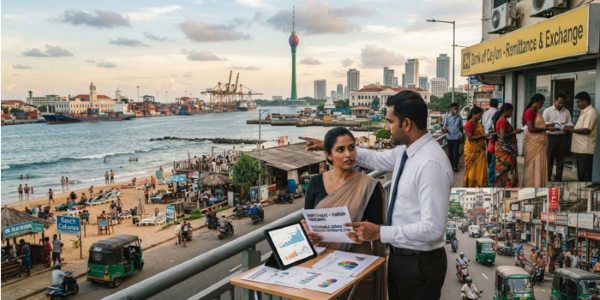
There is a bright future ahead, friends, as Dr. Harold Gunatillake OAM reminds us that there is a light at the end of the tunnel.
Overview: Sri Lanka’s external economy shows signs of strengthening, but reliance on remittances and tourism alone risks overestimating their capacity to ensure long-term stability, highlighting the need for broader reforms.
Presented below is a publication tailored to a Sri Lanka-focused, diaspora-aware readership.
Sri Lanka enters the final quarter of 2026 with a notable increase in foreign exchange inflows. The latest Central Bank data supports many analysts’ observations: the external economy is up, driven mainly by record worker remittances and steady tourism revenue.
In September 2026, foreign employment remittances rose to USD
734.4 million (Rs. 242.0 billion), up from USD 695.7 million in the previous year. Significantly, the overall figures are even more impressive. From January to September 2026, remittances
amounted to USD 6,865.4 million (Rs. 2,215.4 billion), reflecting an 18.1% growth in USD terms and a 27.4% increase in rupee terms compared to the same period in 2025.
These are not marginal improvements. They reflect a fundamental shift in how Sri Lanka’s overseas workforce contributes to the nation’s recovery.
Tourism continues its upward trajectory. Despite global uncertainties, Sri Lanka’s brand remains resilient, attracting consistent arrivals and bolstering foreign exchange earnings. Collectively, these two revenue streams constitute the foundation of the nation’s external economic stability.
However, can remittances and tourism alone assure sustained future economic stability?
In brief: No — these are necessary, yet not sufficient.
- Remittances are strong, but vulnerable to external shocks
Sri Lanka’s dependence on Middle Eastern labour markets makes it susceptible to geopolitical tensions, oil price fluctuations, and regulatory changes that can swiftly disrupt inflows. While the present increase is promising, it remains vulnerable to global volatility.
- Tourism is gradually recovering; however, it remains Tourism relies on international travel confidence, airline accessibility, and regional stability. A single international incident—ranging from pandemics to conflicts—can significantly reduce tourist arrivals. Sri Lanka has encountered this phenomenon numerous times.
- Neither sector addresses the underlying structural Despite substantial inflows, Sri Lanka must address more profound issues:
- Low export diversification
- Weak industrial competitiveness
- High debt servicing obligations
- Fiscal constraints
- Slow investment inflows
- Limited innovation and technology adoption
Remittances and tourism provide vital support; however, they cannot build lasting resilience. They sustain the economy’s vitality but are insufficient to establish sustainable strength.
These inflows indeed constitute a decisive difference.
Despite constraints, remittances and tourism remain essential for:
- Stabilising the rupee
- Strengthening reserves
- Reducing immediate external financing pressure
- Supporting consumption and rural livelihoods
- Improving balance-of-payments resilience
In the immediate term, they constitute the most dependable sources of foreign exchange. Over the medium term, they give Sri Lanka essential time—time to implement reforms, undertake restructuring, and pursue reconstruction.
The fundamental inquiry is: What actions should Sri Lanka undertake with this period of respite?
If the nation employs these inflows solely for subsistence, the cycle of vulnerability is likely to persist. Conversely, should it utilise them for transformation, Sri Lanka may ultimately achieve liberation from years of instability.
Key priorities include:
- Expanding high-value exports (IT, aggrotech, specialised manufacturing)
- Strengthening tourism beyond beach-centric branding
- Attracting diaspora investment through credible policy frameworks
- Improving labour productivity and education outcomes
- Accelerating debt restructuring and fiscal discipline
- Building a climate-resilient agricultural and energy strategy Remittances and tourism can support this transformation; however, they cannot replace it.
Anti-corruption enforcement and institutional reforms are instrumental in enhancing Sri Lanka’s macroeconomic framework. By implementing historic legal reforms to dismantle entrenched patronage networks and curb financial leakages, these initiatives directly help replenish gross official foreign currency reserves, which reached $6.85 billion as of September 2026.
While conventional inflows such as tourism and workers’ remittances constitute the primary sources of foreign liquidity, anti-corruption measures serve as an essential structural safeguard against fiscal deterioration.
Conclusion: A promising moment, but not a guaranteed future. Sri Lanka’s external economy has demonstrably improved over the past year, presenting a crucial opportunity for policymakers and stakeholders to shape the country’s future.
However, economic stability is not attained through inflows alone. It is realised when inflows are paired with reforms, diversification, and disciplined governance, encouraging responsibility and hope.
Sri Lanka currently rests at a pivotal juncture. The outcome—whether this juncture marks a significant turning point or another missed opportunity—will depend on the actions the nation takes from here on, urging collective commitment.
Insight for the Global Sri Lankan
Harold Pulse is an independent editorial platform offering clear, thoughtful analysis on Sri Lanka’s political direction, governance reforms, diaspora concerns, and the evolving health landscape of Sri Lankans living abroad. Built for global Sri Lankans who value informed perspectives, it clarifies the issues shaping the nation’s future—from domestic policy shifts to the well-being of expatriate communities navigating new health systems, lifestyles, and challenges worldwide.
Harold Pulse speaks to Sri Lankans everywhere: those shaping change at home, and those building lives overseas while staying deeply connected to the island’s progress. It is a space where political clarity, community insight, and diaspora health awareness come together to support a stronger, more informed global Sri Lankan identity.
At eLanka, we respect the rights of creators. If we have used an image you own and you’d like it removed, please email us at info@elanka.com.au and we’ll handle it promptly.
Thanks.
eLanka team
eLanka Disclaimer
Content published on eLanka may be created by the eLanka team, submitted by contributors or third parties, reproduced or adapted from other sources with appropriate source acknowledgement, or provided as promotional/advertising material by our clients. While eLanka takes reasonable care in preparing and publishing content, we do not warrant its completeness or accuracy. Views expressed are those of the respective authors or contributors and do not necessarily represent the views of eLanka. Third-party contributors, content providers and advertisers are responsible for the accuracy of material they supply and for ensuring they hold the necessary rights and permissions for its publication. Advertising and promotional content should not be regarded as an endorsement by eLanka of any product, service or claim.