



Sri Lanka is preparing to establish 250 Ceylon King Coconut Villages across the country in a planned agricultural and community-business initiative intended to expand cultivation, strengthen export earnings and create new employment opportunities in rural areas.
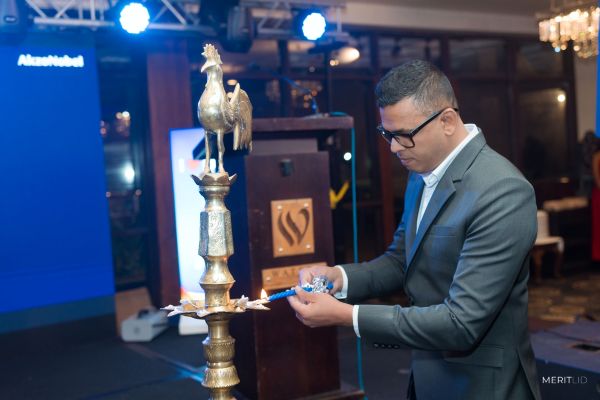
The programme, announced by Plantation and Community Infrastructure Minister Samantha Vidyaratna, is scheduled to be launched around International Coconut Day on 2 September. It represents an effort to develop king coconut cultivation through organised village-level participation, while connecting public institutions, private-sector partners and residents who will cultivate the trees on land in their possession.
According to the report published by Newswire on 31 August 2026, 75 villages are planned for the first phase in 2026. A further 80 villages are planned for 2027, while the remaining 95 villages are scheduled for 2028, bringing the proposed total to 250 villages.
The national launch is expected to take place at a nursery in Makandura, within the Pannala Divisional Secretariat Division of the Kurunegala District. Approximately 20 of the 75 villages included in the first phase are expected to begin activities on 2 September, with work in the remaining first-phase villages expected to commence within the following one to two weeks.

A village-centred approach to agricultural growth
The Ceylon King Coconut Villages programme has been designed around the participation of residents, with each village required to establish at least 1,000 new king coconut plants on land belonging to participating growers.
This approach places local residents at the centre of the cultivation process, rather than treating the initiative solely as a large-scale plantation project. Once established, the villages are intended to provide a coordinated foundation for cultivation, maintenance and future commercial activity, although the longer-term results will depend on the successful implementation of each planned phase.
Newswire reported that the government has allocated 212,500 king coconut plants for cultivation in the 250 newly established villages. The reported estimated cost of each plant is Rs. 750, with growers expected to contribute approximately Rs. 150 per plant, while the Ministry of Plantation and Community Infrastructure and the Coconut Cultivation Board are expected to cover the remaining Rs. 600.
This reported support structure could make participation more accessible to smallholder growers, particularly those who may otherwise find it difficult to meet the initial cost of establishing a new orchard. It also reflects a public-private and community-based model in which government assistance is intended to be combined with local responsibility and private-sector cooperation.
The programme’s value, therefore, extends beyond the planting of trees. It is intended to create a framework through which residents can contribute land, labour and ongoing care, while public institutions provide planned assistance and technical direction. Such an arrangement could help strengthen rural enterprise if the villages are supported with consistent cultivation practices, reliable market connections and appropriate post-harvest arrangements.
Rehabilitation of existing king coconut trees
The new villages will form only one part of the wider programme. Existing king coconut cultivation is also expected to be rehabilitated, with the ministry having identified approximately 221,500 trees for this purpose.
Newswire reported that assistance is planned for fertilising, mulching and water supply, with a fertiliser subsidy of Rs. 700 per tree expected to be provided under the rehabilitation programme.
The inclusion of established trees is significant because productive agricultural development requires both expansion and care of existing resources. While new plants require several years of cultivation before reaching commercial maturity, established trees may provide a more immediate foundation for improving productivity, provided that the planned rehabilitation support is delivered effectively.
The rehabilitation component also acknowledges the contribution of growers who have already invested time and resources in king coconut cultivation. By including existing trees within the programme, the authorities have indicated that the proposed development is not limited to new planting, but is also concerned with improving the condition and productive potential of current cultivation areas.

A distinctive Sri Lankan agricultural product
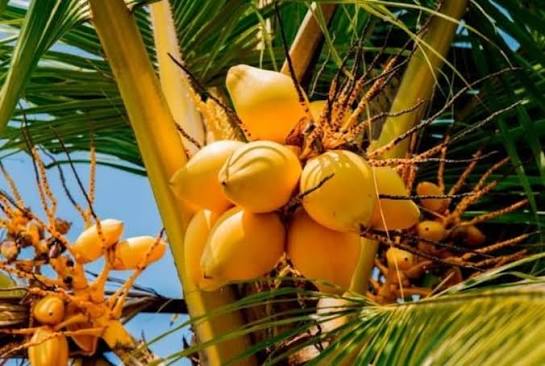
Ceylon King Coconut has a strong association with Sri Lanka’s agricultural identity and is recognised for its golden-orange outer shell and naturally refreshing water. Its distinctive appearance and connection with the island give it a valuable point of difference in international markets.
The global interest in coconut products has been identified by Minister Vidyaratna as an opportunity for Sri Lanka to increase the sector’s contribution to the national economy. The proposed village programme seeks to respond to that opportunity by expanding the cultivation base and creating a more coordinated supply of king coconuts.
For an export-oriented agricultural product, cultivation is only the first stage. The broader opportunity may include improved collection systems, quality control, responsible packaging, processing and market development, although these areas were not detailed in the Newswire report. If the planned villages are connected to capable commercial partners, the initiative could provide a stronger platform for presenting Ceylon King Coconut to buyers and consumers beyond Sri Lanka.
The product’s global appeal rests not only on its taste and appearance, but also on its cultural recognition. For Sri Lankans living in Australia, the United Kingdom, Canada, New Zealand, the United States and elsewhere, king coconut remains an instantly recognisable symbol of home. A carefully developed export opportunity could therefore combine commercial value with the international visibility of Sri Lankan food and agricultural heritage.
Employment and poverty reduction objectives
The programme has been presented as a measure intended to increase export earnings, create employment and support poverty reduction. These objectives are particularly relevant to rural communities where agricultural activity remains closely connected to household income and local economic stability.
Employment opportunities could arise through cultivation, nursery operations, land preparation, maintenance, harvesting, transport and other related services. However, these outcomes remain objectives of the programme rather than completed results, and their achievement will depend on the effective implementation of the planned village network.
The requirement that every participating village establish at least 1,000 new plants is intended to create a meaningful scale of production at local level. When combined with the rehabilitation of approximately 221,500 existing trees, the programme has the potential to involve a substantial number of growers, although the final level of participation and commercial output will become clearer as the phases progress.
A village-based model may also encourage knowledge-sharing among growers. When cultivation takes place across a defined community, residents may be better positioned to exchange practical experience, coordinate maintenance and work collectively with extension services and commercial partners. Such cooperation could be instrumental in ensuring that the programme develops as a sustained agricultural enterprise rather than as a short-term planting campaign.
A phased plan extending to 2028
The proposed timetable provides a staged pathway for implementation. The first phase is planned to include 75 villages in 2026, followed by 80 villages in 2027 and 95 villages in 2028.
Presenting the programme in phases allows the authorities and participating institutions to assess early implementation, identify practical challenges and refine support mechanisms before later stages are undertaken. It also gives growers and local communities time to prepare land, organise participation and understand the responsibilities associated with establishing and maintaining the trees.
The 2027 and 2028 village targets remain plans at this stage and should not be regarded as completed achievements. Their success will depend on the progress of the first phase, the availability of planting material, the continuity of institutional support and the willingness of residents and private-sector partners to remain engaged.
The reported allocation of plants, the requirement for each village to establish at least 1,000 new plants and the rehabilitation plans for existing trees indicate the scale of the undertaking. Careful coordination will be required if the programme is to maintain consistent standards across different districts and cultivation environments.
Building a stronger future for Ceylon King Coconut
The Ceylon King Coconut Villages programme offers a positive example of how agricultural development can be linked with community participation and commercial opportunity. Its central proposition is straightforward: residents contribute land and local involvement, public institutions provide planned support, and private-sector collaboration may help connect cultivation with wider markets.
Sri Lanka’s king coconut is already associated with the island’s natural abundance and distinctive agricultural character. The proposed establishment of 250 villages could provide a structured opportunity to strengthen that identity while pursuing increased exports, rural employment and poverty reduction.
As the initiative is launched around International Coconut Day on 2 September, attention will turn to the practical progress of the first 75 planned villages. If the programme is implemented with consistency, transparency and an emphasis on grower capability, Ceylon King Coconut could be positioned more effectively as a valued Sri Lankan product for consumers around the world.

Source: https://www.newswire.lk/2026/08/31/sri-lanka-to-establish-250-king-coconut-villages-across-sri-lanka/
This article was written based on the source https://www.newswire.lk/2026/08/31/sri-lanka-to-establish-250-king-coconut-villages-across-sri-lanka/, kindly email us at info@eLanka.com.au if any information needs to be corrected.
(adsbygoogle = window.adsbygoogle || []).push({});
At eLanka, we respect the rights of creators. If we have used an image you own and you’d like it removed, please email us at info@elanka.com.au and we’ll handle it promptly.