Sri Lankan coffee-by Harold Gunatillake

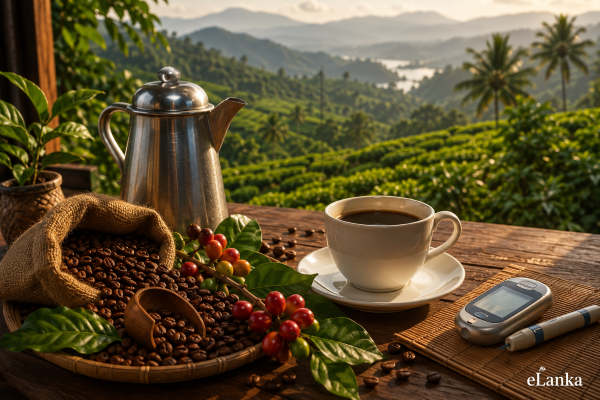
Let’s explore the intriguing question of Sri Lankan coffee. There’s so much to discover about its history, flavours, and unique qualities that make it stand out. It’s a fascinating topic that invites curiosity and appreciation.
Here’s a friendly overview: Sri Lankans and Coffee — should you enjoy it if you have diabetes? The key thing to remember is that coffee isn’t automatically off-limits for Sri Lankans with diabetes,
but it’s not completely risk-free either. How it affects you depends on your blood sugar control, your sensitivity to caffeine, and how you like to drink it.
Coffee culture is booming in Sri Lanka, from the charming hillside cafés in Kandy to the vibrant speciality brews in Colombo. But for the nearly 1 in 5 Sri Lankan adults living with diabetes, it’s understandable to wonder: Is coffee safe for them?
The simple answer is that caffeine can increase blood sugar levels in people with type 2 diabetes, and this effect tends to be more pronounced than in those without the condition.
What Research Shows
A growing number of global studies, including those referenced in American diabetes literature, highlight some important patterns:
- People with type 2 diabetes often respond differently to
- Caffeine can cause blood sugar and insulin levels to
- It might also reduce insulin sensitivity, making it more challenging for glucose to enter
Research shows:
- Participants with type 2 diabetes consumed 250 mg of caffeine at breakfast and lunch (about two cups of coffee each time).
- On days they had caffeine, their blood sugar levels were about 8%
- Their post-meal sugar spikes were also noticeably This occurs because caffeine can trigger stress hormones like adrenaline, which can interfere with insulin’s ability to regulate glucose.e.
What This Means for Sri Lankans
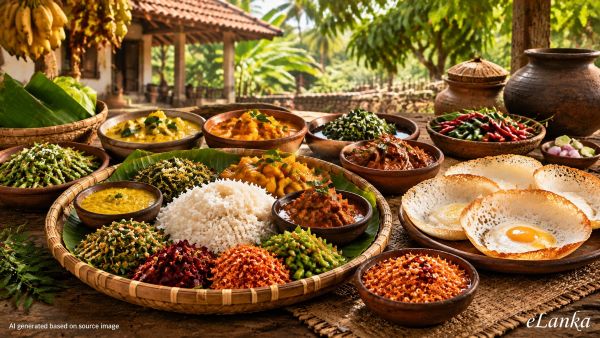
Sri Lankan diets often include hearty dishes like rice, string hoppers, and roti, along with sweetened tea and coffee, and delicious desserts such as kiri pani, watalappan, and kavum.
When enjoyed with caffeine — which naturally raises post-meal blood sugar levels — the impact can be even more significant.
For someone with diabetes in Sri Lanka who loves to start the day with coffee mixed with milk powder and sugar, the chance of a glucose spike can be quite high.
But let’s also look at the bright side! Despite these concerns, coffee isn’t all bad news. It’s packed with antioxidants,
polyphenols, and compounds that might support liver health and boost metabolism.
Some longer-term research even hints that coffee could help reduce the risk of developing type 2 diabetes—though it’s important to note that this potential benefit doesn’t apply once someone already has diabetes.
Understanding when coffee might do more harm than good helps us make smarter choices about our caffeine intake. By being mindful of how we consume coffee, we can enjoy this comforting beverage responsibly and maintain our well-being.
- You might consider cutting back on coffee if you notice your blood sugar spikes after drinking it, or if you start feeling jittery, anxious, or notice your heart This can also be a good idea if you add sugar, sweetened creamer, or condensed milk to your coffee, or if you’re drinking more than 1–2 cups a day.
- Additionally, if you have uncontrolled diabetes or high HbA1c levels, reducing coffee intake could be beneficial for your Taking these steps can help you feel better and manage your health more comfortably.
Understanding when coffee might be safe can help you enjoy your favourite drink with peace of mind. It’s all about knowing the right timing and your personal tolerance so that you can savour your coffee without worry.
- Coffee can be enjoyed if you follow a few simple guidelines: opt for black coffee or coffee with unsweetened milk, keep your caffeine intake to just one cup a day, and pay attention to how it affects your glucose
- It’s also helpful to avoid drinking coffee alongside large, high-carb For a gentler option, consider choosing decaf or lightly brewed coffee.
- These small adjustments can help you enjoy your coffee while staying mindful of your
A Practical Sri Lankan Test
Every person with diabetes is unique. To understand how your body responds, it’s easy to do a little personal check: 1. Test your blood sugar before enjoying your coffee.
- Sip your favourite cup as you normally
- Check your blood sugar again after 1–2
If you notice a big rise, it means caffeine might be having an impact on you.
Discover some delicious and healthier options for Sri Lankans to enjoy! Exploring these alternatives can bring new flavours and better wellbeing to your daily life. Embrace these tasty choices and take a step towards healthier living with confidence.
If coffee raises your blood sugar, consider:
- Plain Ceylon tea (low caffeine)
- Herbal teas (belimal, ranawara, koththamalli)
· Decaf coffee
- Warm water with lime
These options support hydration and digestion without glucose spikes.
Final Verdict
Sri Lankans with diabetes can enjoy coffee — remember to do so carefully. Caffeine might increase blood sugar levels and decrease insulin sensitivity, particularly around mealtimes. The best way to enjoy coffee is by savouring it in moderation, keeping an eye on your blood sugar, and opting for low-sugar, low-milk options.
This balanced approach helps you enjoy your coffee while keeping your health in check.
That said, it’s also exciting to think about how other helpful compounds in coffee — like magnesium, chromium, and polyphenols — could support better insulin sensitivity. This might even help balance out some of caffeine’s effects.
For this reason, many experts recommend that people with diabetes opt for decaffeinated coffee. This way, they can enjoy the benefits of antioxidants and minerals without worrying about impacting insulin sensitivity.
End