Sri Lanka’s 2027 Education Reforms Take Shape: New Subjects, Vocational Learning and Preschool Policy
Sri Lanka’s preparations for a significant new phase of education reform have advanced, with curriculum development, teacher training and preschool policy emerging as central components of a national effort to modernise learning and invest in the country’s future.
According to the Sri Lanka Rupavahini Corporation national news telecast of 15 September 2026, the Parliamentary Subcommittee on Education Reforms recently met under the patronage of Prime Minister Dr Harini Amarasuriya. Attention was directed towards the progress of general education reforms and preschool education reforms scheduled to be implemented from 2027.
The reported measures indicate that the proposed programme is intended to extend beyond a simple revision of school textbooks. Instead, the reforms seek to strengthen the foundations of learning, introduce broader practical opportunities, improve teacher preparation and establish a more consistent framework for preschool education throughout the country.
A phased beginning for general education reform
The initial stage of the general education reforms will focus on Grades 2 and 6, with action books, teacher guides and learning modules being prepared for use in the classroom. Teacher training programmes are already under way, an important development because the success of any curriculum reform depends not only on the quality of the material but also on the confidence, preparation and professional support available to teachers.

Action books and modules can provide opportunities for more structured, activity-based learning, allowing students to engage with lessons through discussion, written exercises, practical tasks and guided exploration. Teacher guides, meanwhile, can assist educators in presenting the new material in a consistent manner while adapting lessons to the different abilities and circumstances found in individual classrooms.
The reported emphasis on Grade 2 is particularly significant because the early primary years form the basis upon which literacy, numeracy, communication and social development are built. A carefully prepared curriculum at this stage can help identify learning needs earlier and encourage children to approach education as an active and meaningful process.
The focus on Grade 6 is equally important, as it represents a major transition in a student’s school life. Students moving into this grade encounter new academic expectations, a wider range of subjects and, in many cases, a different organisational structure. Well-designed modules and properly trained teachers could help make that transition more manageable and productive.
The Ministry’s wider reform approach has also been associated with a move towards more flexible, modular learning, supported by continuous assessment and broader skills development. Such a direction has the potential to reduce excessive dependence on memorisation and encourage students to apply knowledge in practical settings.

A broader vision for Ordinary Level education
The reforms are also reported to include plans for seven subjects at the Ordinary Level, with history and aesthetic studies among the subjects to be included. This proposed structure represents an effort to create a more balanced academic experience in which students are exposed not only to examination-focused content but also to the historical, cultural and creative dimensions of education.
History has an instrumental role in helping students understand the development of Sri Lanka, the region and the wider world. A strong historical foundation can encourage informed citizenship, cultural awareness and a more considered understanding of social change.
Aesthetic studies, including areas such as music, visual arts and drama, can support creativity, discipline, communication and emotional development. These subjects are sometimes treated as secondary to conventional academic disciplines, although their value in building confidence, imagination and collaborative skills is increasingly recognised in modern education systems.
The proposed seven-subject framework could therefore provide an opportunity to make secondary education more focused while retaining a broad foundation. Its long-term effectiveness will depend on careful curriculum design, adequate facilities, qualified teachers and equitable access for students in urban, rural and estate communities.
Vocational learning from Grades 10 and 11
Another notable element of the proposed reforms is the introduction of vocational education from Grades 10 and 11. This measure could help students understand that education is connected not only to university admission but also to employment, enterprise, technical competence and lifelong learning.

Vocational education can include practical fields connected to technology, construction, design, digital skills, logistics, agriculture, business and other areas of economic activity. When delivered effectively, it can provide students with an opportunity to discover their abilities while developing skills that are relevant to changing employment markets.
The introduction of vocational learning within mainstream education may also help reduce the traditional separation between academic and technical pathways. Students with practical talents should be able to pursue those strengths without being regarded as having stepped away from a meaningful education. A modern education system is strongest when it recognises different forms of intelligence and provides several credible routes towards further study, employment and entrepreneurship.
For Sri Lanka, such an approach could be particularly valuable as industries continue to evolve and employers seek workers with technical knowledge, digital confidence, communication skills and the ability to solve problems. Vocational education, if supported by suitable equipment and partnerships with training institutions and industry, can help connect classroom learning with the wider economy.
Social harmony, law and ethics in the senior grades
The reported reforms also include plans to incorporate modules on social harmony, law and ethics for students in Grades 12 and 13. This is a constructive proposal because senior secondary education should prepare young people not only for examinations and employment but also for responsible participation in society.
Social harmony education can encourage respect among Sri Lanka’s different communities and help students understand the value of cooperation, dialogue and peaceful engagement. Law-related learning can introduce young people to their rights, responsibilities and the importance of institutions, while ethics can encourage reflection on honesty, fairness, accountability and the consequences of personal decisions.
The inclusion of these subjects could contribute to a more rounded model of education, provided that the lessons are practical, age-appropriate and connected to real-life situations. Classroom discussion, case studies, community projects and student-led activities could make these modules more relevant than purely theoretical instruction.
A national policy for preschool education
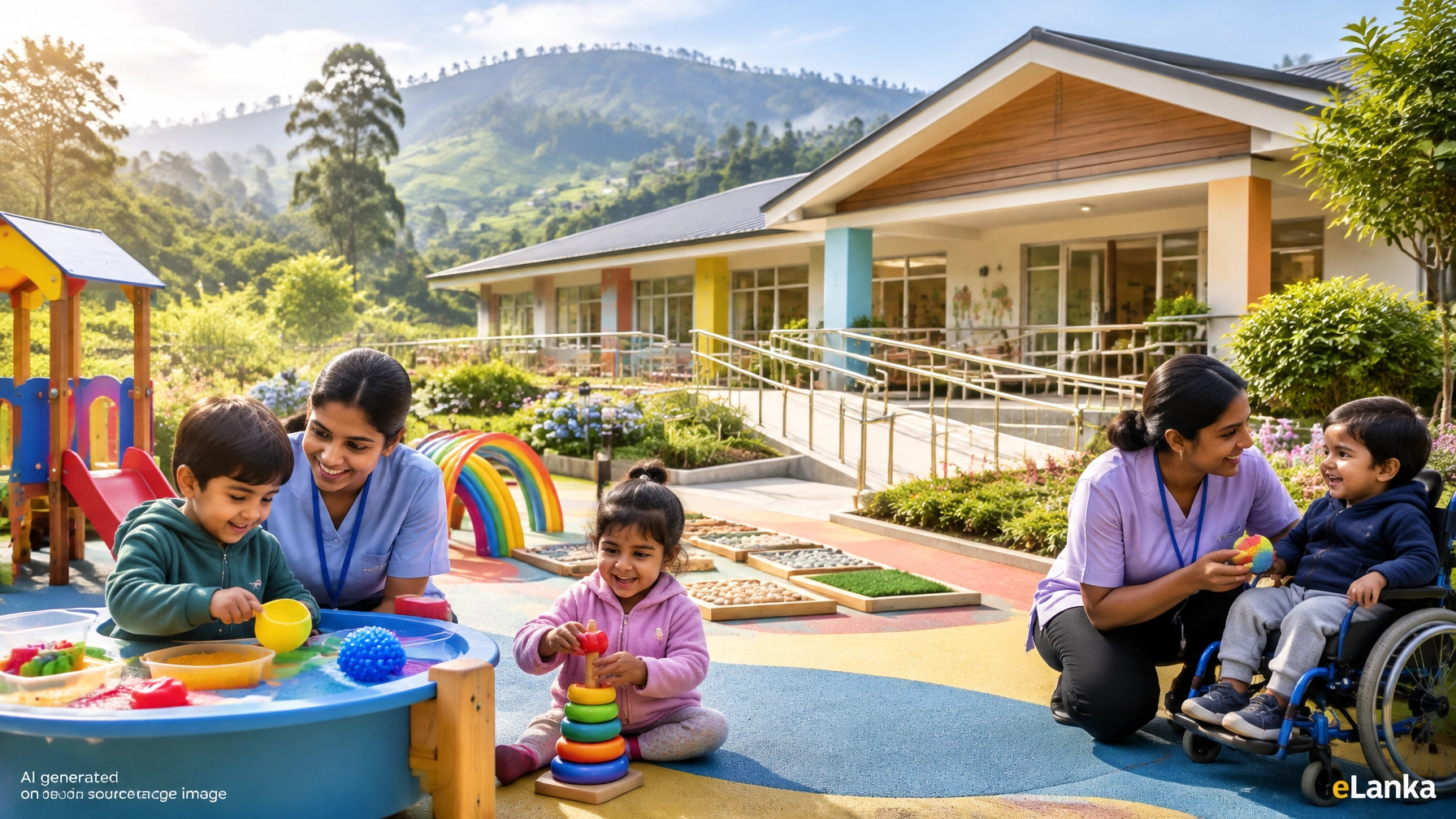
Preschool education forms another central pillar of the reported reform programme. A national preschool education policy has been drafted, with activities including the registration of preschools, preparation of a curriculum and teacher guides, and the continuation of teacher training programmes.

The formal registration of preschools could help establish clearer standards for safety, facilities, staffing and educational practice. At present, preschool provision can vary considerably between locations and institutions, making a national framework important for ensuring that children receive a more consistent early-learning experience.
The preparation of a national curriculum and teacher guides is similarly significant. Preschool education should not be viewed merely as an informal period before primary school; it is a crucial stage in which children develop language, social interaction, motor coordination, curiosity and early problem-solving abilities.
Teacher training will be essential to this process. Early-years educators require specialised knowledge of child development, classroom communication, play-based learning and inclusive teaching practices. A coherent training programme could strengthen the quality of care and education while also giving preschool teachers greater professional recognition.
The policy’s success will ultimately depend on sustained implementation, monitoring and support. Registration alone will not guarantee quality, and curriculum documents will have limited value unless teachers receive practical assistance and preschools are provided with suitable resources.
Awareness and public participation
A series of awareness programmes regarding the new education reforms is scheduled to be conducted in the future. Public communication will be important because parents, teachers, students and education administrators will all need to understand the objectives, timetable and practical implications of the changes.
Clear awareness programmes can help explain why new subjects are being introduced, how vocational learning will operate and what families can expect from the revised primary and secondary curriculum. They can also provide an opportunity for educators and parents to raise questions, identify practical concerns and contribute constructive suggestions.
The meeting was attended by Deputy Minister Dr Madhura Senevirathna, whose name was rendered differently in the broadcast transcript, along with several other officials and representatives.
Sri Lanka’s proposed 2027 education reforms therefore represent an ambitious investment in the country’s next generation. By combining foundational learning, history, aesthetic studies, vocational education, social responsibility and preschool standardisation, the programme seeks to create a more versatile and forward-looking education system.
Its ultimate achievement will be measured through implementation: the quality of teacher training, the availability of resources, the consistency of national standards and the extent to which students from every part of Sri Lanka benefit. With careful planning and sustained public engagement, the reforms could provide a stronger platform for academic achievement, practical skills, social harmony and national development.
Source: https://www.youtube.com/live/7OmKevRXuMY?si=C7JTzbIaqtMWnobL
This article was written based on the source https://www.youtube.com/live/7OmKevRXuMY?si=C7JTzbIaqtMWnobL, kindly email us at info@eLanka.com.au if any information needs to be corrected.
(adsbygoogle = window.adsbygoogle || []).push({});
At eLanka, we respect the rights of creators. If we have used an image you own and you’d like it removed, please email us at info@elanka.com.au and we’ll handle it promptly.