



The Hidden Secrets of Galle Fort: Stories Behind Sri Lanka’s Living Heritage Walls

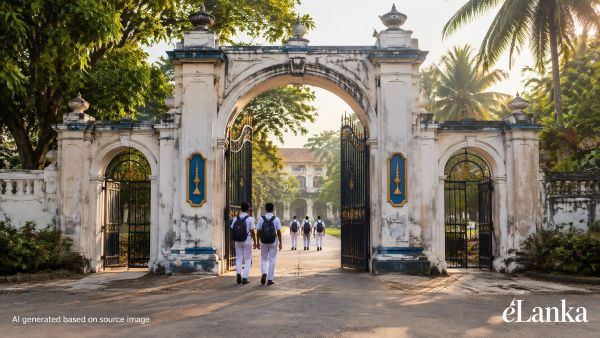
AI-generated illustration of Galle Fort at golden hour. The original Facebook post’s images, if any, could not be embedded.
At the southwestern edge of Sri Lanka, where the Indian Ocean meets a rocky peninsula, Galle Fort presents a remarkable meeting of landscape, architecture and history. Its ramparts, lighthouse and quiet streets are widely photographed, yet the fort offers more than a picturesque destination: its walls bear witness to centuries of maritime exchange, colonial rivalry and the daily lives of communities whose contributions were not always recorded.
This feature draws on the historical reflection shared by Dilshan Madhuranga on Facebook, with key dates and heritage context checked against the UNESCO World Heritage Centre listing and the overview of Galle Fort on Wikipedia. Together, these accounts invite a closer look at the people and connections behind the familiar views.
A port connected to the wider world
Galle’s significance began long before the fort acquired its European appearance. Its natural harbour made it a useful stopping point along Indian Ocean trade routes, linking the southern coast of Sri Lanka with merchants and seafarers travelling across Asia and beyond. Arab, Persian and other traders came to exchange goods including spices, precious stones and textiles. Sri Lankan cinnamon, prized in overseas markets, formed an important part of this commercial world.
The harbour was not simply a backdrop to history. It helped shape Galle’s role as a place where goods, ideas and people met. Ships connected the town to distant ports, while trade influenced local work, settlement and daily life. That older maritime story is essential to understanding the fort: the European powers that later built and enlarged its defences arrived in a place already connected to international commerce.
From Portuguese fortifications to Dutch bastions
Portuguese influence reached Sri Lanka in the early sixteenth century. Fortifications were established at Galle during the 1500s as the Portuguese sought to protect their position and commercial interests along the coast. The surviving fort, however, is defined chiefly by the later Dutch period.
The Dutch captured Galle from the Portuguese in 1640. Under the Dutch East India Company, the fort was substantially expanded, with massive stone defences and 14 bastions built around the peninsula. Those walls and defensive structures remain among the most recognisable features of the town.
The fort’s architecture was shaped by military purpose, but also by the demands of its setting. Its streets, buildings and fortifications were developed in a tropical coastal environment, where weather, materials and local building traditions mattered. UNESCO recognises Galle as an outstanding example of a fortified city built by Europeans in South and Southeast Asia, while emphasising the interaction between European architectural forms and South Asian traditions.
This history should be viewed with care. The fort reflects engineering and architectural achievement, but it was also created within systems of conquest and colonial control. A fuller understanding acknowledges both: the built heritage that survives and the unequal power relations that shaped the lives of people living and working under colonial rule.
The people behind the walls
In his Facebook essay, Dilshan Madhuranga draws attention to a part of the story that can be easy to overlook: the many people whose work sustained the settlement but whose names are less visible in official records. Colonial accounts often give prominence to governors, commanders and wealthy merchants. Yet the daily life and construction of the fort also depended on labourers, carpenters, masons, porters, domestic workers, traders and craftspeople.
Their work helped build and maintain walls, move goods, supply households and keep the town functioning. The absence of detailed records does not make their contribution less significant. Rather, it reminds visitors that historic buildings are not only evidence of the people who commissioned them; they also embody the labour and skill of those who made them possible.
Galle’s coastal society was diverse. Sinhala and Tamil communities, Muslim trading families, European settlers and people of mixed ancestry formed part of its wider social world. The history of Sri Lanka’s Burgher community developed through centuries of European and local interaction and cannot be reduced to a single ancestry or colonial era. Languages, occupations, religious traditions and family histories intersected in a town shaped by both local life and overseas connections.
The fort’s elegant houses also conceal differences in status and living conditions. Senior officials and successful merchants could enjoy comfort and influence, while soldiers and ordinary workers experienced a very different reality. The contrast between imposing architecture and unequal lives is part of the fort’s historical record, and it helps explain why its story is more complex than the beauty of its streets alone.
Churches, cemeteries and traces of family life
Religion shaped the settlement, leaving some of its clearest historical markers in places of worship and burial. The Groote Kerk, or Dutch Reformed Church, was built in 1640 and remodelled between 1752 and 1755. It stands as a visible reminder of the Dutch period, while religious buildings and communities from other traditions also contributed to Galle’s cultural landscape.
Cemeteries and family burial monuments preserve traces of generations who lived and worked in the fort. Inscriptions can offer clues about family connections, occupations and migration, even when the broader lives behind the names remain difficult to reconstruct. These places encourage a thoughtful kind of historical attention: reading a date or name as a small fragment of a much larger human story.
What the streets and walls reveal
Some of Galle Fort’s most revealing details are part of its everyday fabric. Thick defensive walls and bastions reflect the strategic importance of the settlement; courtyards and verandas speak to the design of homes in a warm climate. Old wells, drainage arrangements and street layouts point to practical decisions made to support life within a busy fortified town.
Even the names of streets and bastions preserve pieces of the military and commercial past. The architecture is not a single, frozen style but a record of changing uses and successive administrations. Under British rule, which began after Galle was captured on 23 February 1796, the fort continued as a centre of government and commerce. Older buildings were retained and adapted as the town’s function changed.
The ocean, too, holds part of the story. Ships travelling along Sri Lanka’s southern coast carried merchandise, passengers, soldiers and messages between distant ports. Maritime trade brought opportunity and wealth, but long-distance sea journeys also involved danger and uncertainty. Galle’s harbour connected the settlement to the wider world while placing it within the risks and rivalries of ocean travel.

AI-generated illustration of a historic street in Galle Fort. The scene is illustrative and is not a documentary photograph.
A living heritage site
Galle Fort was never simply a European town transplanted into Sri Lanka. Its history emerged from the interaction of foreign powers with local communities, regional trade and the island’s existing cultural traditions. Portuguese, Dutch and British rule left substantial architectural and political marks, while Sri Lankan people shaped the settlement through their labour, businesses, family lives and cultural practices.
The fort was inscribed on the UNESCO World Heritage List in 1988. Today, its streets continue to serve as more than a heritage landscape: historic houses accommodate cafés, boutique hotels, galleries and shops, bringing new economic and cultural activity into old buildings. The modern life of the fort sits alongside visible traces of earlier generations in its ramparts, religious sites, cemeteries and family histories.
That combination is part of what makes Galle Fort rewarding to explore. A walk along the walls may begin with ocean views and old stonework, then lead to a church, a mosque, a courtyard or a street whose name hints at a former trade. For visitors planning a heritage trip home to Sri Lanka, allowing time to notice these details can turn a familiar sightseeing stop into a richer encounter with the country’s past.
For readers interested in related community histories, eLanka also features “The Burghers of Ceylon (Sri Lanka): Reminiscences and Anecdotes”.
The hidden secrets of Galle Fort are ultimately found not only in its walls, but in the lives those walls have surrounded: merchants and sailors, soldiers and families, skilled workers and communities whose stories survive in fragments. Seen in this light, the fort is a living historical record of Sri Lanka’s connections with the wider world, and a reminder that heritage becomes more meaningful when the people behind the monuments are brought into view.
Sources
Source: Facebook post by Dilshan Madhuranga
This article was written based on the sources Facebook post by Dilshan Madhuranga, UNESCO World Heritage Centre and Wikipedia, kindly email us at info@eLanka.com.au if any information needs to be corrected.
At eLanka, we respect the rights of creators. If we have used an image you own and you’d like it removed, please email us at info@elanka.com.au and we’ll handle it promptly.
Thanks.
eLanka team
eLanka Disclaimer
Content published on eLanka may be created by the eLanka team, submitted by contributors or third parties, reproduced or adapted from other sources with appropriate source acknowledgement, or provided as promotional/advertising material by our clients. While eLanka takes reasonable care in preparing and publishing content, we do not warrant its completeness or accuracy. Views expressed are those of the respective authors or contributors and do not necessarily represent the views of eLanka. Third-party contributors, content providers and advertisers are responsible for the accuracy of material they supply and for ensuring they hold the necessary rights and permissions for its publication. Advertising and promotional content should not be regarded as an endorsement by eLanka of any product, service or claim.