News & Community eLanka

eLanka

Saturday, 25 Apr 2026
  • Home
  • Read History
  • Articles
    • eLanka Journalists
  • Events
  • Useful links
    • Obituaries
    • Seeking to Contact
    • eLanka Newsletters
    • Weekly Events and Advertisements
    • eLanka Testimonials
    • Sri Lanka Newspapers
    • Sri Lanka TV LIVE
    • Sri Lanka Radio
    • eLanka Recepies
  • Gallery
  • Contact
Newsletter
Sri lankan news
  • eLanka Weddings
  • Property
  • eLanka Shop
  • Business Directory
eLankaeLanka
Font ResizerAa
Search
  • Home
  • Read History
  • Articles
    • eLanka Journalists
  • Events
  • Useful links
    • Obituaries
    • Seeking to Contact
    • eLanka Newsletters
    • Weekly Events and Advertisements
    • eLanka Testimonials
    • Sri Lanka Newspapers
    • Sri Lanka TV LIVE
    • Sri Lanka Radio
    • eLanka Recepies
  • Gallery
  • Contact
Follow US
© 2005 – 2026 eLanka Pty Ltd. All Rights Reserved.
Home » Goodnews Stories Srilankan Expats » Articles » The Invisible Threat: How Microplastics Harm the Human Body – By Nadeeka – eLanka
ArticlesNadeeka Kumari

The Invisible Threat: How Microplastics Harm the Human Body – By Nadeeka – eLanka

eLanka admin
Last updated: December 10, 2024 11:13 am
By
eLanka admin
ByeLanka admin
Follow:
Share
6 Min Read
SHARE
Views: 6

The Invisible Threat: How Microplastics Harm the Human Body – By Nadeeka – eLanka

The Invisible Threat

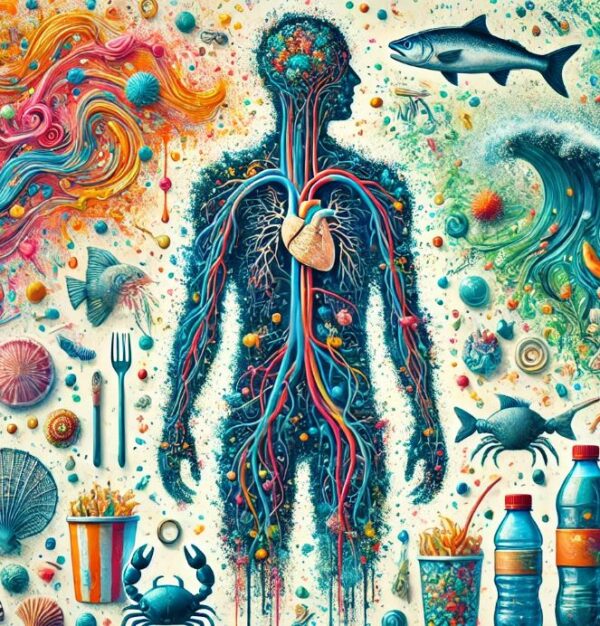
Microplastics, defined as plastic particles smaller than 5 millimeters in size, have become a pervasive environmental pollutant, infiltrating ecosystems across the globe. While much of the discourse surrounding microplastics has focused on their impact on marine environments and wildlife, their potential harm to the human body is an emerging area of concern that warrants significant attention. The omnipresence of microplastics in our environment raises questions about their effects on human health, especially as they find their way into our air, water, and food.

Microplastics enter the human body through multiple exposure pathways, including inhalation, ingestion, and dermal contact. Inhalation occurs as microplastics are present in the air we breathe, particularly in urban and industrialized areas where plastic waste is prevalent. Ingestion is a major route of exposure, as microplastics have been detected in drinking water, seafood, salt, and even fresh produce. The use of plastic in food packaging and processing further exacerbates the risk of microplastic contamination in food products. Dermal exposure, while less studied, may occur through contact with personal care products that contain microplastics or through exposure to microplastic-laden dust.

Once inside the human body, microplastics may accumulate in various organs and tissues. Studies have shown that microplastic particles are capable of crossing biological barriers, such as the intestinal wall, and entering the bloodstream. This raises the alarming possibility of microplastics traveling to other parts of the body, including the liver, kidneys, and brain. Research has already detected microplastics in human placentas, suggesting their potential to affect fetal development. The presence of microplastics in the body can trigger inflammatory responses as the immune system recognizes them as foreign particles. Chronic inflammation is a known precursor to a range of health issues, including cardiovascular disease, autoimmune disorders, and cancer.

Another area of concern is the chemical composition of microplastics. Plastics often contain additives such as phthalates, bisphenol A (BPA), and flame retardants, which can leach out over time. Many of these additives are known endocrine disruptors, capable of interfering with hormone regulation in the human body. Hormonal imbalances can have widespread effects, from developmental abnormalities to reproductive health issues. Furthermore, microplastics may act as carriers for environmental pollutants, such as heavy metals and persistent organic pollutants, which can adhere to their surfaces. When these pollutant-laden particles enter the body, they may release toxic substances, compounding the health risks associated with microplastic exposure.

The physical properties of microplastics themselves may also pose risks. Sharp-edged or irregularly shaped particles can cause mechanical damage to tissues, leading to microtears and inflammation. This is particularly concerning in the gastrointestinal tract, where prolonged exposure to microplastics could compromise gut integrity. Emerging research suggests that microplastics may disrupt the gut microbiome, an ecosystem of microorganisms that plays a crucial role in digestion, immunity, and overall health. Alterations to the gut microbiome have been linked to conditions such as obesity, diabetes, and depression.

Long-term exposure to microplastics could have cumulative effects, yet the full extent of their impact remains unknown. The persistence of microplastics in the environment and their resistance to degradation mean that their prevalence in human bodies is likely to increase over time. The health implications of chronic exposure are an urgent area for scientific investigation, as current studies are largely preliminary and often limited to small sample sizes or laboratory settings.

While the scientific community works to understand the health risks posed by microplastics, reducing exposure at an individual and societal level is critical. Limiting the use of single-use plastics, adopting sustainable alternatives, and improving waste management systems are essential steps to curb the spread of microplastics. At the individual level, making informed choices about food packaging, drinking water sources, and personal care products can reduce direct exposure.

The issue of microplastics is not merely an environmental problem but a public health challenge that underscores the interconnectedness of human health and the environment. As microplastics infiltrate every corner of the planet, their potential harm to the human body becomes an increasingly pressing concern. Addressing this issue requires a concerted effort from policymakers, researchers, industries, and individuals to mitigate exposure and prevent further contamination of our ecosystems. Only through a comprehensive approach can we safeguard human health in the face of this invisible but pervasive threat.


Click here to receive your free copy of the eLanka Newsletter twice a week delivered directly to your inbox!

TAGGED:Chronic Inflammationendocrine disruptorsenvironmental pollutiongut microbiome disruptionhealth risks of microplasticshuman health effectsmicroplastic pollutionMicroplasticsmicroplastics and cancermicroplastics and immune system.microplastics in bloodstreammicroplastics in drinking watermicroplastics in foodmicroplastics in seafoodmicroplastics in waterplastic additivesplastic contaminationplastic pollution and healthplastic waste impacttoxic chemicals in plastics
Share This Article
Facebook Whatsapp Whatsapp LinkedIn Email Copy Link Print
Previous Article The Eighty Club delivered another Christmas celebration The Eighty Club delivered another Christmas celebration – By TREVINE RODRIGO IN MELBOURNE
Next Article Ayurvedic The Timeless Healing of Sri Lanka’s Ayurvedic Tradition – By Bhanuka – eLanka
FacebookLike
YoutubeSubscribe
LinkedInFollow
Most Read
10 Pictures With Fascinating Stories Behind Them!

“A PICTURE SPEAKS A 1000 WORDS” – By Des Kelly

Look past your thoughts so you may drink the pure nectar of this moment

A Life Hack for when we’re Burnt Out & Broken Down – By Uma Panch

Narration of the History of our Proud Ancestral (Orang Jawa) Heritage. by Noor R. Rahim

eLanka Weddings

eLanka Marriage Proposals

Noel News

Noel News

Noel News

Noel News- By Noel Whittaker

Appreciation: Eileen Mary Sibelle De Silva

K.K.S. Cement Factory

Dr.Harold Gunatillake’s 90th Birthday party

Sri Lanka's women's cricket squad in Melbourne

Cricket: Sri Lanka’s women’s squad in Melbourne

- Advertisement -
Ad image
Related News
O Thou Great Redeemer
Articles Charles Schokman

SUNDAY CHOICE-by Charles Schokman

The Brad & Kiara Show-eLanka
The Brad and Kiara Show - Sydney

The Brad & Kiara Show

Great news ahead-eLanka
Articles Dr Harold Gunatillake

Great news ahead! Trump has signed off on accepting Iran’s strategic trade proposal. This is a positive step forward-by Harold Gunatillake

Royal College Alumni in NSW & ACT - 1
Articles

RCOBA NSW & ACT AGM 2026–27 Summary & New Committee Announcement

ambassador dr arusha cooray, sri lankan ambassador uae, i film festival 2026 abu dhabi, sri lankan excellence global stage, abu dhabi film festival 2026, sri lankan diplomacy success, women leaders sri lanka, sri lankan achievements international, cultural diplomacy sri lanka, sri lanka uae relations, global sri lankan leadership, sri lankan representation abroad, film festival abu dhabi 2026, sri lankan pride international, dr arusha cooray guest of honour, international film festivals uae, sri lankan professionals overseas, sri lanka global recognition, diplomatic excellence sri lanka, sri lankan women in leadership
Articles

Ambassador Dr. Arusha Cooray Honoured as Guest of Honour at i-film Festival 2026

  • Quick Links:
  • Articles
  • DESMOND KELLY
  • Dr Harold Gunatillake
  • English Videos
  • Sri Lanka
  • Sinhala Videos
  • eLanka Newsletters
  • Obituaries
  • Sunil Thenabadu
  • Dr. Harold Gunatillake
  • Tamil Videos
  • Sinhala Movies
  • Trevine Rodrigo
  • Photos
  • eLanka Newsletter

eLanka

Your Trusted Source for News & Community Stories: Stay connected with reliable updates, inspiring features, and breaking news. From politics and technology to culture, lifestyle, and events, eLanka brings you stories that matter — keeping you informed, engaged, and connected 24/7.
Kerrie road, Oatlands , NSW 2117 , Australia.
Email : info@eLanka.com.au / rasangivjes@gmail.com.
WhatsApp : +61402905275 / +94775882546
  • About eLanka
  • Terms & Conditions

Disclaimer:
eLanka is committed to sharing positive and community-focused stories. We do not publish or endorse political, religious, or ethnic viewpoints. The content published on eLanka, including articles and newsletters, reflects the opinions and views of the respective authors and not those of eLanka. eLanka accepts no responsibility or liability for the accuracy, completeness, or consequences of any content provided by contributors.

(c) 2005 – 2025 eLanka Pty Ltd. All Rights Reserved.