Views: 450
The Remarkable Life of Hilda Kularatne: Educator, Reformer and Trailblazer-by Rehan Kularatne
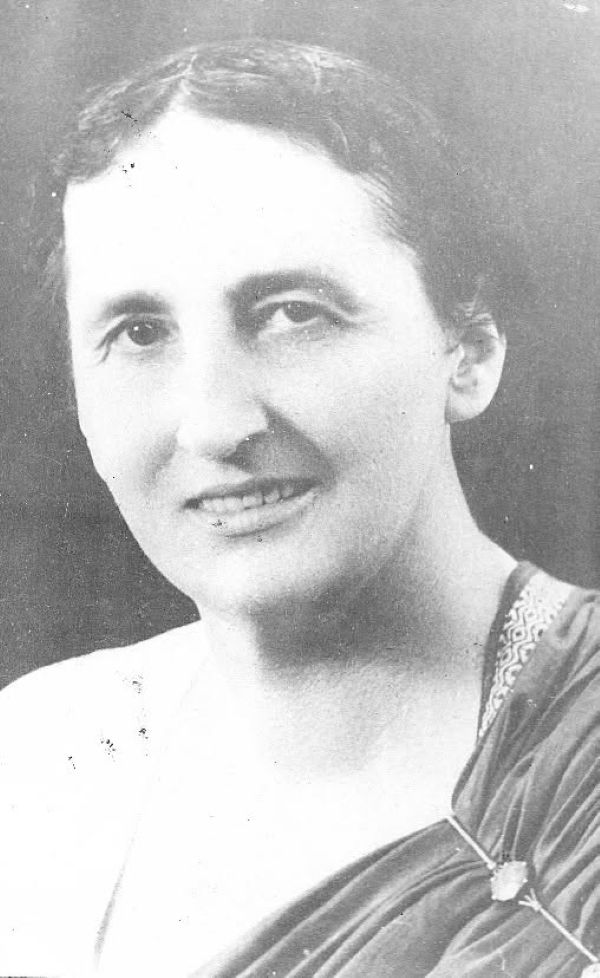
Source:The Remarkable Life of Hilda Kularatne
One of Sri Lanka’s pre-eminent 20th-century educationists.
Hilda Muriel Westbrook was born in Dulwich, south London, on 28 November 1895. She was the daughter of W Francis Westbrook, later Chief Registrar of the Colonial Office, and Jessie Duncan, a Scottish poet and scholar, the sister of Royal Scottish Academician John Duncan, a noted Celtic Revivalist painter. Jessie Duncan Westbrook was to publish a number of verse renditions of Persian, Sufi and Hindu poetry in the 1910s. She and her husband, being Theosophists, were both extremely interested in eastern religions.
Hilda was educated at the highly-respected and progressive James Allen’s Girls’ School (JAGS) in Dulwich, founded in 1741. Having excelled in modern languages (French and German) as well as in team sports like hockey, in addition to having Gustav Holst as her music master, she proceeded to Newnham College for a degree in Modern Languages in 1914, the year the First World War broke out. (Though she completed her degree in 1917, she had to wait 30 years to be awarded her MA, as Cambridge was the last university in England to accept female graduates.)
After returning to JAGS to train as a teacher, she applied and was accepted for a position as English teacher for Ananda College that had been advertised in ‘The Theosophist.’ However, arriving in Ceylon in early 1920, she was inducted instead as Principal of the Buddhist Girls’ College, later Visakha Vidyalaya.
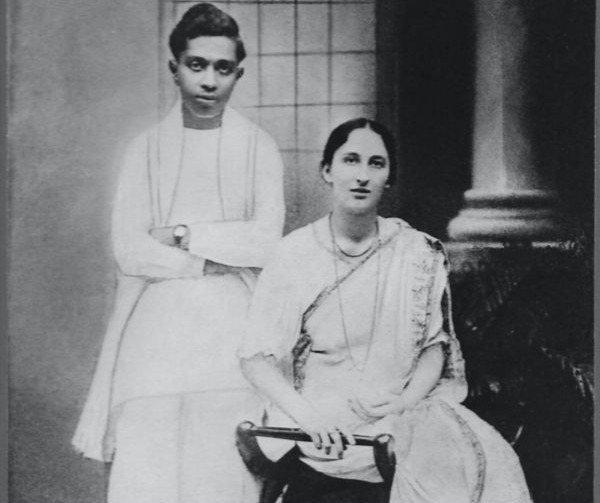
But that same year she had met the newly-appointed Principal of Ananda and visionary educationist Patrick de Silva Kularatne, and before the year was out she was to marry him, both of them wearing versions of the ‘national dress’ that were becoming popular among progressive nationalists. According to the strictures of the time, as a married woman she had to resign her principalship.
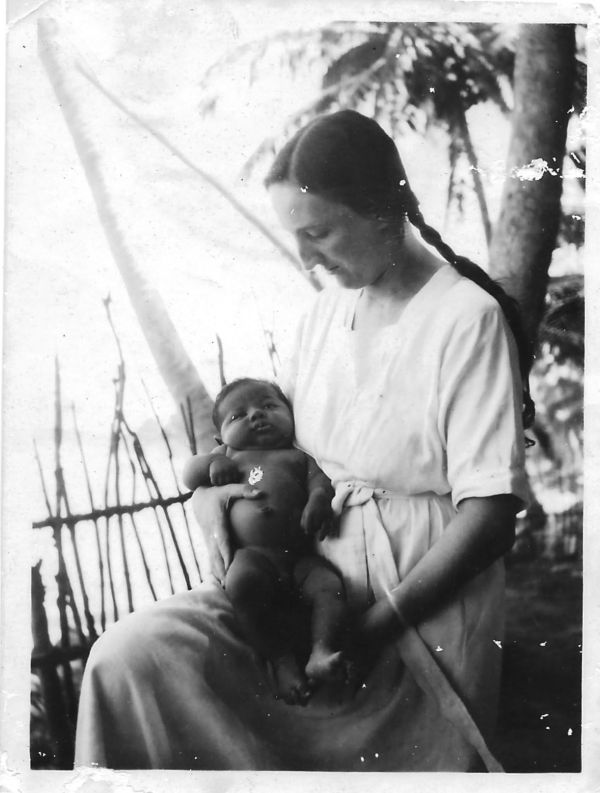
However, Hilda Kularatne was able to continue teaching ‘post-seniors’ at Ananda, as well as maintaining a variety of teaching positions at tertiary level, while also bringing up a family of 3 children (one of them my father). In addition to becoming able to make public speeches in Sinhala by the mid-1920s, in later years she went on to be the founder of 4 Buddhist girls’ colleges: Ananda Balika in Colombo, Sri Sumangala (girls’) in Panadura, Maliyadeva Balika in Kurunegala, and Pushpadana Balika in Kandy. She had also been the principal of Visakha Vidyalaya in Colombo, and was the founding principal of Mahamaya College, Kandy. Her role in the development of education for Buddhist girls has been consistently undermined, simply because she was British.
She had to face many other setbacks in her life, notably the death of her eldest son Ananda, an RAF pilot, in a bombing raid in 1944. She and my grandfather eventually separated, and she split her time between Ceylon and the UK in later years. She was awarded an MBE for her services to education in 1953, when she was the Principal of the Girls’ Senior School in Bandarawela. Soon afterwards she moved back to London, where she took her own life in January 1956.
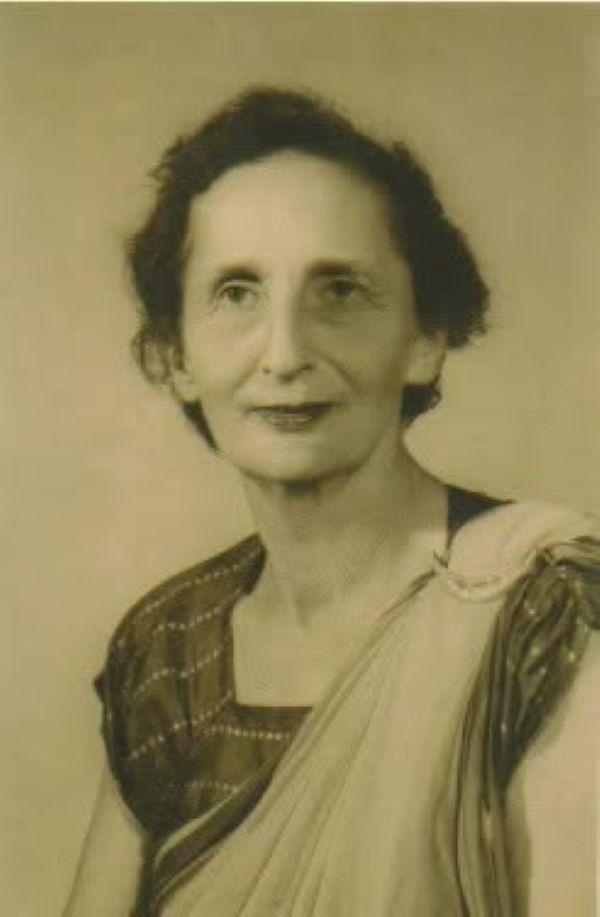
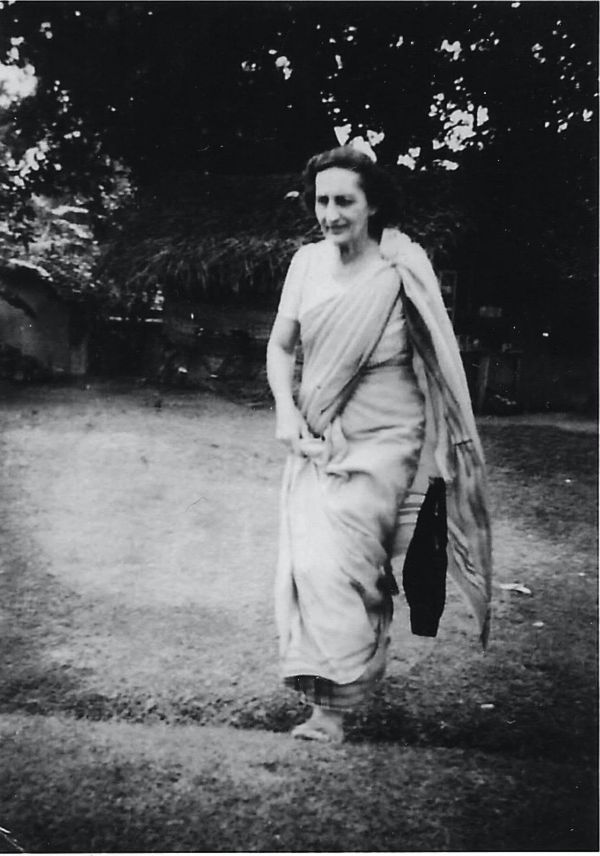

Photographic credits to Rehan Kularathne