Vesak Celebration in Australia-by Sanka Wasalthilake
Source:Qld Sri Lankan Newsletter – Dæhæna – May 2026
The “Vesak,” the Day, is the most sacred and widely celebrated occa-sion for millions of Buddhists globally. This significant day commemo-rates three pivotal events in the Buddhist calendar. It was on Vesak Day, in 623 B.C., that Prince Siddhartha Gotama was born, achieved enlightenment, and passed away at the age of eighty.
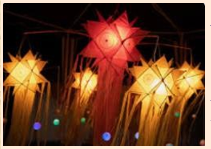
The day is commemorated to reflect the life and teachings of the Buddha, emphasising spiritual renewal, compas-sion, and enlightenment. The core mes-sage of Vesak Day is to encourage val-ues such as non-violence, peace, com-passion, and mindfulness as demon-strated by the Buddhist scriptures. Bud-dhists and followers of other faiths use
this opportunity to reflect on their personal spiritual journeys and strive
to foster inner peace and understanding.
The observance of Vesak Day in Australia is primarily attributed to the presence of a diverse and expanding Buddhist community within the nation. This multicultural setting has enabled Vesak Day to evolve into a well-recognised and celebrated event (i.e., Buddha Birthday Festival in South Bank) showcasing Australia’s dedication to religious inclusivity and cultural diversity. Vesak day is observed through a combination of religious, spiritual, and cultural practices, including visits to Buddhist monasteries, making various offerings, performing acts of kindness, compassion, and generosity, and engaging in introspection and medita-tion.
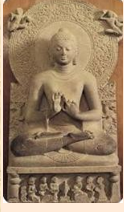
The Buddha’s ministry extended over a period of forty-five years, during which the Buddhist philoso-phy and teachings found in Pali discourses such as Dhammacakkappavattana, Kalama, Metta, Singalovada, and Satipatthana suttas established Buddhism as one of the most pragmatic theories and the most tolerant social and spiritual philoso-phies. Within these discourses, we find a theory of knowledge, a theory of reality that elucidates the nature and destiny of humanity within the universe, an ethical framework, a social and political philoso-phy, and a philosophy of law.
The Buddha formulated his teaching in a way that directly addresses the critical problem at the heart of human existence — the problem of suffering (dukkha) — which was clearly and precisely illustrated in the main formula of the Four Noble Truths, without relying on the myths and mysteries typical of religion. He further promises that those who follow his teaching to its end will realise here and now the highest hap-piness and peace. All other concerns apart from this, such as theologi-cal dogmas, metaphysical subtleties, rituals and rules of worship, the Buddha waves aside as irrelevant to the task at hand, the mind’s liber-ation from its bonds and fetters.
To bridge the gap between the beginning and end points of his teach-ing, the Buddha offers a clear, precise, and practicable path composed of eight factors known as the Noble Eightfold Path. By distilling its essence, following the Noble Eightfold Path, one can appreciate the profound value of the Buddha’s teachings and, consequently, the gen-uine importance of Vesak, which humanity has yet to fully grasp.