News & Community eLanka

eLanka

Tuesday, 26 May 2026
  • Home
  • Read History
  • Articles
    • eLanka Journalists
  • Events
  • Useful links
    • Obituaries
    • Seeking to Contact
    • eLanka Newsletters
    • Weekly Events and Advertisements
    • eLanka Testimonials
    • Sri Lanka Newspapers
    • Sri Lanka TV LIVE
    • Sri Lanka Radio
    • eLanka Recepies
  • Gallery
  • Contact
Newsletter
Sri lankan news
  • eLanka Weddings
  • Property
  • eLanka Shop
  • Business Directory
eLankaeLanka
Font ResizerAa
Search
  • Home
  • Read History
  • Articles
    • eLanka Journalists
  • Events
  • Useful links
    • Obituaries
    • Seeking to Contact
    • eLanka Newsletters
    • Weekly Events and Advertisements
    • eLanka Testimonials
    • Sri Lanka Newspapers
    • Sri Lanka TV LIVE
    • Sri Lanka Radio
    • eLanka Recepies
  • Gallery
  • Contact
Follow US
© 2005 – 2026 eLanka Pty Ltd. All Rights Reserved.
Home » Goodnews Stories Srilankan Expats » Articles » Why We Need to Protect Bees: Guardians of Our Ecosystem – by Nadeeka – eLanka
ArticlesNadeeka Kumari

Why We Need to Protect Bees: Guardians of Our Ecosystem – by Nadeeka – eLanka

eLanka admin
Last updated: December 7, 2024 1:49 pm
By
eLanka admin
ByeLanka admin
Follow:
Share
5 Min Read
SHARE
Views: 27

Why We Need to Protect Bees: Guardians of Our Ecosystem – by Nadeeka – eLanka

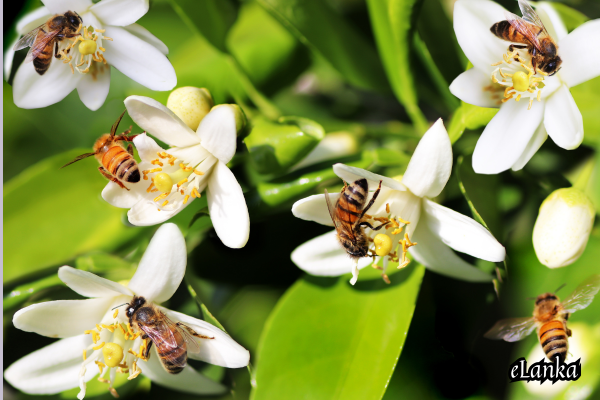
bees
Bees are an integral part of our planet’s delicate balance, playing a critical role in sustaining life as we know it. Often overlooked in their significance, bees are essential to pollination, biodiversity, and the global food chain. Without their diligent work, ecosystems would crumble, affecting countless plant and animal species, including humans.

Pollination, the process by which plants reproduce, is largely driven by bees. These remarkable creatures transfer pollen from flower to flower, ensuring the growth of fruits, vegetables, nuts, and seeds. More than three-quarters of the world’s crops depend on pollinators like bees. This means that a vast majority of the food we consume is directly tied to their survival. The absence of bees would lead to a drastic decline in crop yields, causing global food shortages and skyrocketing prices. Staple foods such as apples, almonds, coffee, and even chocolate rely on their pollination efforts. Their loss would result in limited dietary options and increased hunger worldwide.

Beyond agriculture, bees are vital to biodiversity. By pollinating wild plants, they support the survival of forests, grasslands, and countless ecosystems. These ecosystems, in turn, provide habitats for a wide range of wildlife, from insects to large mammals. Bees help maintain the delicate balance of nature by fostering the growth of plant species that serve as food and shelter for other organisms. This interconnected web of life underscores their role as a keystone species. If bees disappear, the ripple effect would disrupt entire ecosystems, leading to the collapse of numerous species dependent on them.

Economically, bees contribute billions of dollars annually to global agriculture. Their pollination services enable industries such as farming, horticulture, and even the production of beauty products. The honey and beeswax they produce have long been used in traditional and modern industries. Losing bees would result in substantial financial losses, destabilizing economies and livelihoods, particularly for those in agriculture-dependent regions.

Despite their importance, bees are under severe threat. Pesticides used in conventional farming are one of the biggest challenges they face. These chemicals poison bees directly and weaken their immune systems, making them more susceptible to diseases. Habitat destruction due to urbanization and deforestation further exacerbates the problem. As natural landscapes disappear, bees lose their feeding and nesting grounds. Climate change is another major concern, altering weather patterns and disrupting the availability of flowers. Bees are also plagued by diseases and parasites like the Varroa mite, which can devastate entire colonies.

The decline in bee populations has far-reaching consequences. Reduced pollination would mean lower crop productivity, resulting in food scarcity and higher costs. This would disproportionately affect poorer communities, where access to food is already limited. Biodiversity loss would make ecosystems less resilient to environmental changes, weakening their ability to recover from events like droughts, floods, or wildfires. Furthermore, the cultural and aesthetic value of thriving gardens, parks, and landscapes would diminish.

bees

Protecting bees requires urgent and collective action. Individuals can contribute by reducing pesticide use, planting flowers that provide nectar and pollen, and supporting local beekeepers by purchasing their honey and other products. Communities can raise awareness about the importance of bees and advocate for bee-friendly practices. Governments have a crucial role in enacting policies to ban harmful pesticides, promote organic farming, and preserve natural habitats. Additionally, funding for research into bee health and sustainable agricultural practices is essential to ensure their survival.

Bees are more than just honey producers; they are the unsung heroes of nature, enabling life to flourish. Their decline is a warning sign that the health of our planet is at risk. Protecting bees is not merely an environmental issue; it is a matter of ensuring the survival of humanity. By taking steps to safeguard their populations, we can preserve the intricate systems that sustain life on Earth and secure a sustainable future for generations to come.


Click here to receive your free copy of the eLanka Newsletter twice a week delivered directly to your inbox!

TAGGED:BiodiversityEnvironmental conservationfood securityimportance of beespollinationProtect beessaving beessustainable agriculture.threats to bees
Share This Article
Facebook Whatsapp Whatsapp LinkedIn Email Copy Link Print
Previous Article Sujatha Attanayake - eLanka Sujatha the genius female musician in the annals of our history- Effervescent voyage in celebrity for over six decades – by Sunil Thenabadu
Next Article mung bean The Health Benefits of Mung Beans: A Nutritional Powerhouse – By Bhanuka – eLanka
FacebookLike
YoutubeSubscribe
LinkedInFollow
eLanka Wedding
- Advertisement -
Ad image
Most Read

Trump States that the Peace Agreement with Iran is ‘Largely Negotiated’ as the Hormuz Discussions Reach the Final Stage-by Harold Gunatillake

SUNDAY CHOICE – LOVE LIFTED ME – by Charles Schokman

Free ETA , Sri Lanka Tourism , Tourist Visa , Travel Update

Sri Lanka Officially Opens Free 30-Day ETA Access to 40 Countries from May 25

Beach Clean-Up , British School Colombo, Dehiwala Beach

Young Eco-Warriors: British School Colombo Leads Dehiwala Beach Clean-Up

Ahmedabad , FitsAir launches , MICE

FitsAir Connects Ahmedabad and Colombo with New Direct Flights

Related News
Shelley Nitschke signs contact extension
Articles

Shelley Nitschke signs contact extension

Vesak 2026 Melbourne, Millennium Imports Australia, Vesak Bath Dansala Melbourne, Drive-Thru Vesak Dansala, Sri Lankan community Australia, Buddhist celebrations Melbourne, Vesak Sri Lanka Australia, Dandenong South Vesak event, Dana tradition Buddhism, Vesak almsgiving Australia, Sri Lankan Australians, Melbourne Sri Lankan events, Vesak lanterns Melbourne, Buddhist community Australia, Sri Lankan culture in Australia, Vesak Full Moon Poya Day, Sannasa Digital, community service Melbourne, Sri Lankan diaspora Australia, Buddhist charity event, Vesak rice dansala, Melbourne Buddhist events, Sri Lankan heritage Australia, eLanka news, Australian Sri Lankan community, cultural events Melbourne, Buddhist generosity tradition, Vesak food donation, Millennium Imports Dandenong, Sri Lankan Vesak celebration
Articles

Millennium Imports Serves Over 5,000 in Successful 3rd Annual Drive-Thru Vesak Almsgiving

Artificial Intelligence (AI)
Articles

Artificial Intelligence and workforce vulnerability-by Dr. Chandrika Subramaniyan

Articles Charles Schokman

Pentecost Global Day of Prayer-by Charles Schokman

The Ghosts of Mount Mary-A Forgotten Railway Legacy
Articles

The Ghosts of Mount Mary: A Forgotten Railway Legacy

  • Quick Links:
  • Articles
  • DESMOND KELLY
  • Dr Harold Gunatillake
  • English Videos
  • Sri Lanka
  • Sinhala Videos
  • eLanka Newsletters
  • Obituaries
  • Sunil Thenabadu
  • Dr. Harold Gunatillake
  • Tamil Videos
  • Sinhala Movies
  • Trevine Rodrigo
  • Photos
  • eLanka Newsletter

eLanka

Your Trusted Source for News & Community Stories: Stay connected with reliable updates, inspiring features, and breaking news. From politics and technology to culture, lifestyle, and events, eLanka brings you stories that matter — keeping you informed, engaged, and connected 24/7.
Kerrie road, Oatlands , NSW 2117 , Australia.
Email : info@eLanka.com.au / rasangivjes@gmail.com.
WhatsApp : +61402905275 / +94775882546
  • About eLanka
  • Terms & Conditions

Disclaimer:
eLanka is committed to sharing positive and community-focused stories. We do not publish or endorse political, religious, or ethnic viewpoints. The content published on eLanka, including articles and newsletters, reflects the opinions and views of the respective authors and not those of eLanka. eLanka accepts no responsibility or liability for the accuracy, completeness, or consequences of any content provided by contributors.

(c) 2005 – 2025 eLanka Pty Ltd. All Rights Reserved.