




Wings of Nature: Amila Sumanapala on Sri Lanka’s dragonflies-by Ifham Nizam
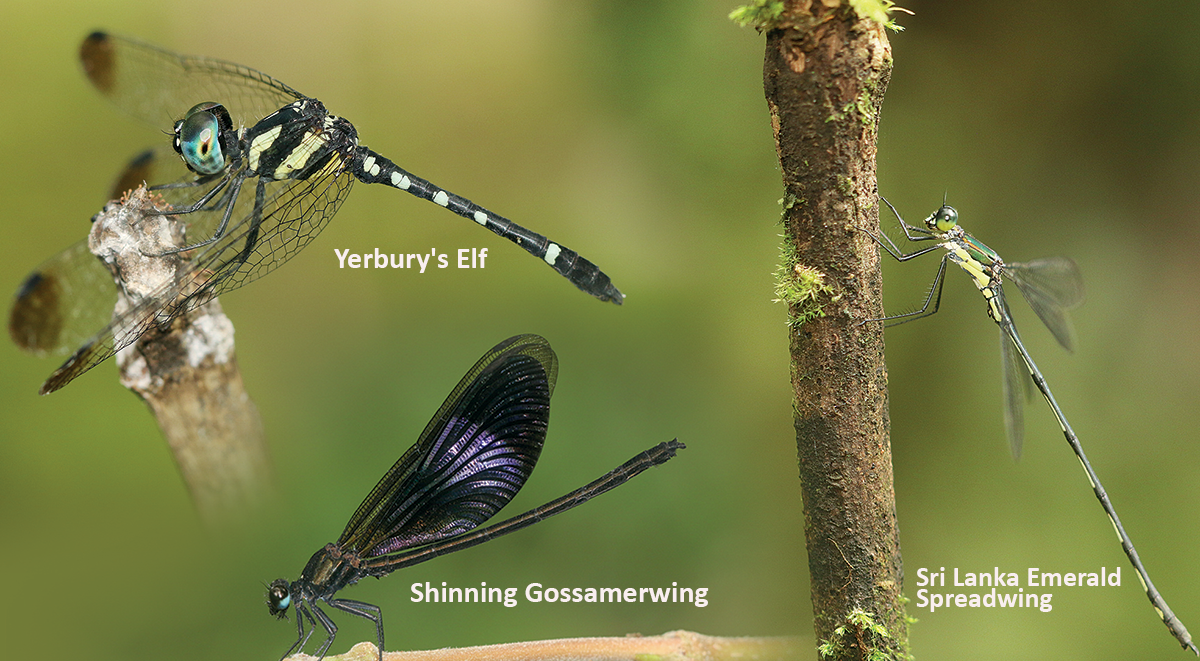
Source:Island
Sri Lanka, often celebrated for its verdant landscapes and diverse wildlife, holds a lesser-known treasure within its waters and riparian zones: dragonflies and damselflies. These ancient insects, often overlooked, are quietly playing a crucial role in maintaining ecological balance. For Amila Sumanapala, a pioneering naturalist and entomologist, dragonflies have been more than a mere subject of study—they represent an ongoing quest to understand and protect Sri Lanka’s rich natural heritage.
In an interview with The Island, he said, “I’ve been interested in the overall diversity of animals since my school years.
“When I started as an amateur naturalist, I realised that very few people were focusing on dragonflies and damselflies. There was no one to guide me in identifying or understanding what we were observing in the field. That lack of resources and knowledge motivated me to dive deeper. I read extensively, taught myself, and invested time in understanding these remarkable insects.”
The untold story of Sri Lanka’s dragonflies
Sumanapala’s research has been instrumental in uncovering Sri Lanka’s significance as a global hotspot for dragonflies. Out of 132 species documented so far, over 50% are endemic to Sri Lanka. “Sri Lanka has a remarkable dragonfly diversity compared to its land extent. Our mountains and rainforests harbour species that are unique to very specific locations,” Sumanapala explained.
Places like the Peak Wilderness Sanctuary and Sinharaja Forest Reserve are particularly rich in dragonfly species. “These habitats are critical for some of the most elusive species. For example, several endemics in Peak Wilderness are found in just a handful of streams and wetlands,” he said, highlighting the need for their preservation. “These areas are not just pockets of biodiversity; they are also key to understanding the evolution and ecological roles of dragonflies on the island.”
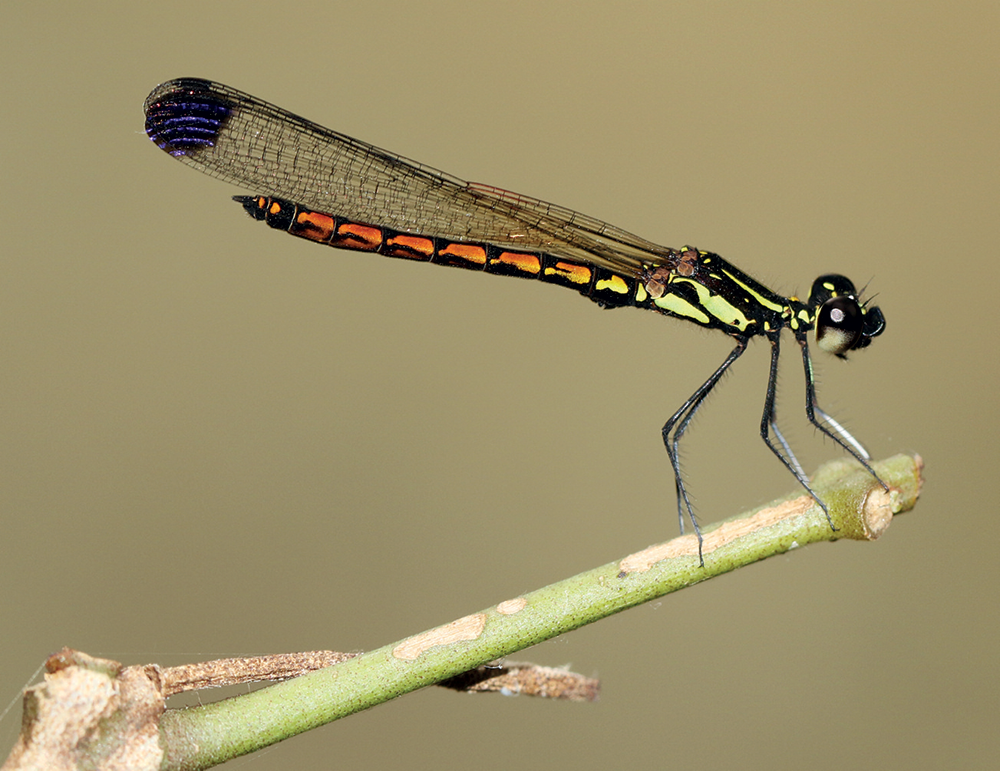
Green’s Gem
Dragonflies as ecosystem indicators
Beyond their beauty, dragonflies play a critical ecological role. “Dragonflies and damselflies have an amphibious lifecycle,” Sumanapala said. “Their larval stages are fully aquatic, while the adults are aerial predators. They lay their eggs in water, often within aquatic plants or riparian zones. Some species are very habitat-specific and require pristine, unpolluted water bodies to breed.”
This sensitivity to water quality makes dragonflies excellent bioindicators—organisms whose presence or absence can signal the health of an ecosystem. “When you see dragonflies thriving, it is a sign of a healthy aquatic environment,” Sumanapala shared. “They help control populations of other insects, including pests and mosquitoes, making them essential for ecosystem balance.”
The growing threats
Despite their ecological importance, dragonflies face growing threats across Sri Lanka. “Habitat destruction remains the largest challenge outside protected areas,” Sumanapala said. “The clearance of riparian vegetation, pollution of streams and wetlands, and poorly planned development projects are devastating these habitats. Climate change adds another layer of complexity.”
Changes in rainfall patterns have already begun to impact dragonfly populations. “We’ve observed significant fluctuations during dry spells and periods of erratic rainfall,” Sumanapala noted. “When rains are delayed or occur in short, intense bursts, the aquatic habitats required for dragonfly larvae become unstable. Early findings also suggest that climate change will shrink the suitable habitats for many endemic species, especially those confined to mountain regions.”
However, Sumanapala remains hopeful that proactive conservation strategies could mitigate these threats. “While the existing protected area network provides some level of security, more needs to be done. Policies around land use planning and sustainable development must be strengthened, and cumulative impacts of projects should be carefully considered.”
Role of communities and citizen scientists
For Sumanapala, conservation is not a job reserved for scientists alone—it is a collective effort. “If communities protect their natural waterways and the surrounding vegetation, they automatically safeguard dragonflies and many other species,” he explained. “These insects can thrive even in human-modified habitats if key elements, like clean water and plant cover, are preserved.”
Sumanapala emphasised the role of citizen science, where individuals contribute to scientific research by sharing field observations. “Citizen scientists are invaluable, especially in countries like ours where resources for biodiversity research are limited. Every observation, every record helps us better understand distribution patterns and population trends.”
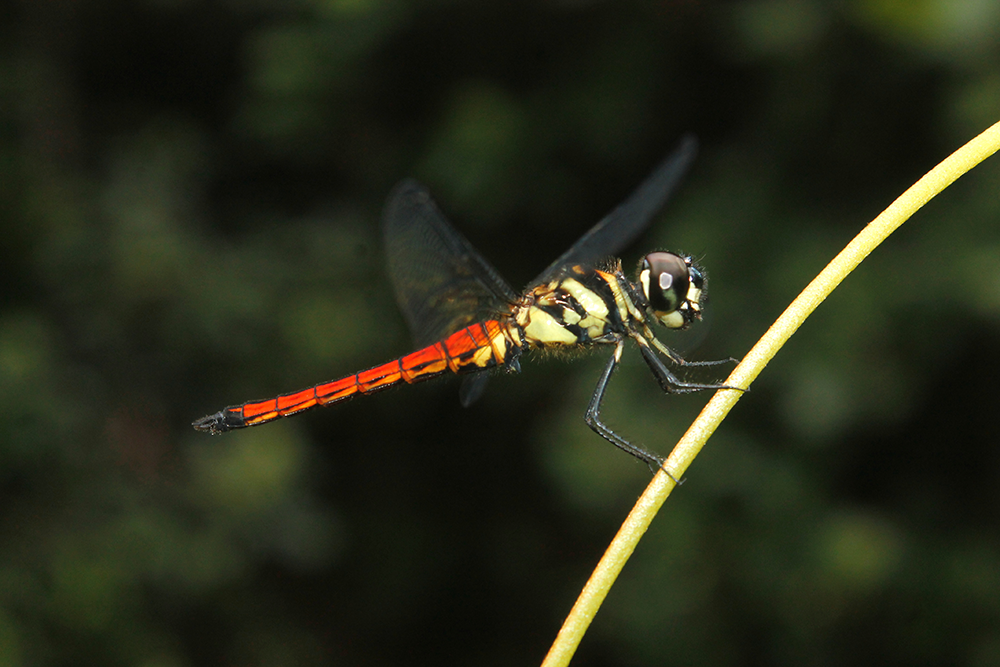
Vermilion Forester
Uncovering the unknown
Sumanapala’s contributions extend far beyond observation. His fieldwork has already led to significant discoveries. “So far, I’ve discovered and named a new species, rediscovered species that were once thought extinct, and recorded several new country-specific species. I’ve also updated distribution ranges and documented the natural history of lesser-known species.”
Yet, he believes this is just the beginning. “Large parts of Sri Lanka remain underexplored, particularly in the north and central regions. There is much more to uncover in terms of dragonfly diversity, behaviour, and their interactions with ecosystems.”
Message to young scientists
Sumanapala’s journey is as inspiring as it is instructive. For budding entomologists and naturalists, his advice is straightforward: start small but think big. “Biodiversity is vast, and the more time you spend observing, the more you’ll learn. Start with the animals and plants in your own surroundings—your garden, local parks, or paddy fields. Learn the basics, study the species around you, and expand your curiosity from there.”
He sees a bright future for young scientists in Sri Lanka, particularly in biodiversity studies. “There’s so much more to discover here. Whether it’s dragonflies or any other group of organisms, Sri Lanka has a wealth of biodiversity waiting to be explored. If you have the passion and curiosity, you can build a lifelong journey contributing to science and conservation.”
Lifelong commitment to Nature
For Sumanapala, studying dragonflies is more than a profession—it is a commitment to nature. His work stands as a testament to the power of curiosity, perseverance, and dedication. As climate change and human activity continue to reshape ecosystems, the insights from his research serve as a guide for preserving Sri Lanka’s natural heritage.
“Every dragonfly has a story to tell—of adaptation, survival, and beauty,” he said. “By protecting them, we protect the ecosystems they depend on, and ultimately, we protect ourselves.”
As Sri Lanka moves forward, voices like Sumanapala’s remind us that even the smallest creatures can play a monumental role in our planet’s survival—and that every effort counts.