



Care for your liver-by Harold Gunatillake

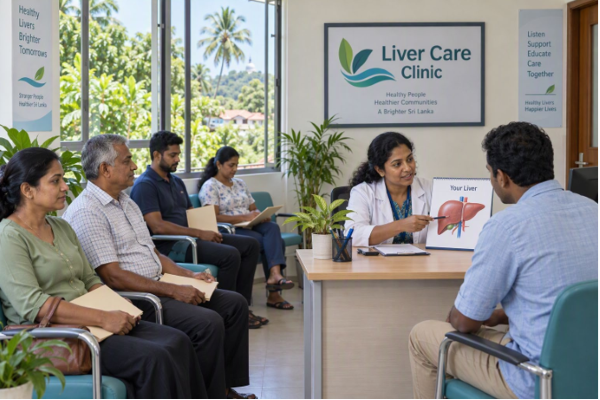
Many Sri Lankans prioritise heart health and controlling blood lipids, but overlook another vital organ: the liver.
Available statistics highlight the burden of liver disease in Sri Lanka.
Liver disease in Sri Lanka: key statistics
- Non-alcoholic fatty liver disease (NAFLD):
- Present in 6% of the urban adult population.
- Present in 18% of the rural adult
- An urban Colombo autopsy study identified fatty liver in
56.8% of adult specimens.
· Liver cirrhosis:
- Identified in 1% of adults examined in urban autopsy studies.
- After heart disease, liver disease is Sri Lanka’s second most common cause of hospital deaths, causing more than 3,300 hospital deaths each year.
· Leading causes:
- The leading causes are NAFLD, driven by increasing obesity and diabetes, and alcohol-related liver disease, which is common among males.
- Sri Lanka’s hepatitis B and C rates remain relatively low compared with those of other South Asian countries.
Medical News Today recently covered research on factors that may protect liver health and reduce disease risk.
Recent findings associate five or more cups of coffee daily with a potentially lower risk of cirrhosis and liver cancer.
A small study linked daily consumption of raw tomatoes and tomato sauce for six weeks to less liver fat in people with metabolic dysfunction–associated steatotic liver disease (MASLD). Research in mice indicates that polyethylene microplastics may harm the liver or aggravate existing liver problems. Studies in humans are needed.
Liver disease encompasses conditions caused by liver damage and affects about 4.5 million US adults.
Liver disease has more than 100 forms, including metabolic dysfunction–associated steatotic liver disease (MASLD), alcohol-associated liver disease and viral hepatitis.
Moderate to heavy alcohol consumption, obesity and high cholesterol are risk factors for several liver diseases.
Diet and liver health
A study published in July in Clinical Gastroenterology and Hepatology examined the potential liver-health benefits of daily coffee consumption, including five or more cups a day.
Researchers followed more than 355,000 UK Biobank adults for a median of 13 years. None had cirrhosis or liver cancer at the outset.
Compared with non-coffee drinkers, participants who drank five or more cups daily had a 32% lower risk of cirrhosis and a nearly 50% lower risk of liver cancer over the study period.
Tomatoes and liver fat
Eating tomatoes regularly may help reduce liver fat in people with MASLD.
This finding comes from a study published in July in Nutrients.
The study included 79 adults with MASLD. One group avoided tomatoes; the other ate 200 g of raw tomatoes and 50 g of tomato sauce daily for six weeks.
Liver fat decreased in both groups, with a greater reduction in the tomato group.
Tomatoes act on liver disease through several biological pathways:
1. How lycopene works
Tomatoes are the richest dietary source of lycopene, a potent, fat-soluble antioxidant that supports the liver in several ways:
- Limits fat production: It activates metabolic pathways, including the SIRT1-AMPK axis, that slow de novo lipogenesis—the production of new fat in the liver.
- Increases fat breakdown: It promotes fatty acid oxidation, helping the liver break down existing fat stores more
- Reduces fat uptake: It limits the amount of circulating fat the liver absorbs from the bloodstream.
2. Reducing oxidative stress and inflammation
Persistent liver fat buildup causes oxidative stress, cell damage and inflammation that can progress to cirrhosis or liver cancer. Lycopene, beta-carotene and vitamin C in tomatoes neutralise free radicals and reduce inflammation in liver tissue.
3. Benefits of whole tomatoes
Research suggests that whole tomatoes, raw or cooked, protect the liver significantly more effectively than isolated lycopene supplements. Their fibre, vitamins and minerals work together to support a richer gut microbiota and prevent overgrowth of inflammation-linked bacteria that can reach the liver.
Other foods that support liver health
Nutritious foods can protect the liver, reduce inflammation and help manage or reverse fat buildup. A balanced mix of leafy greens, cruciferous vegetables, omega-3-rich fish, whole grains and healthy fats supplies antioxidants and fibre that support liver function.
Key foods for liver health
- Cruciferous vegetables: Broccoli, cauliflower, Brussels sprouts and cabbage contain sulphur-rich glucosinolates. Their breakdown products activate the liver’s natural cleansing enzymes and protect liver cells from damage.
- Dark leafy greens: Raw spinach, kale and rocket provide polyphenols, nitrates and Eating them regularly helps reduce fat accumulation in liver cells.
- Fatty fish: Salmon, mackerel, tuna and sardines are rich in omega-3 fatty acids. These polyunsaturated fats lower triglycerides, normalise liver enzyme levels and reduce liver
- Nuts and seeds: Walnuts are especially rich in antioxidants, plant-based omega-3 and omega-6 fats, and A daily handful supports fat metabolism and helps the liver detoxify ammonia.
- Healthy oils: Extra virgin olive oil contains monounsaturated fats, including oleic acid, and protective phenols. It improves insulin sensitivity, a key factor in preventing fat accumulation in the
- Complex carbohydrates: Cooked oatmeal, steel-cut oats and brown rice provide soluble fibre, including beta-glucans. This fibre slows carbohydrate absorption and limits sharp insulin spikes that promote excess fat storage in the liver.
- Legumes: Lentils, chickpeas and beans provide plant protein and resistant They are a liver-friendly alternative to red and processed meats, whose high saturated-fat content can strain the liver.
Microplastics and liver health
Microplastics are plastic particles smaller than 5 millimetres (mm), found in many common packaging materials.
A mouse study published in June in Science Advances found that polyethylene, a major source of microplastics, may increase the risk of liver damage or worsen existing liver conditions.
Researchers examined polyethylene’s effects in mice fed either a control diet or a diet designed to induce metabolic dysfunction-associated steatohepatitis (MASH), a severe form of liver disease.
Polyethylene exposure caused liver problems in both groups and aggravated liver injury in mice on the MASH-inducing diet.
Insight for the Global Sri Lankan
Harold Pulse is an independent editorial platform offering clear, thoughtful analysis on Sri Lanka’s political direction, governance reforms, diaspora concerns, and the evolving health landscape of Sri Lankans living abroad. Built for global Sri Lankans who value informed perspectives, it clarifies the issues shaping the nation’s future—from domestic policy shifts to the well-being of expatriate communities navigating new health systems, lifestyles, and challenges worldwide.
Harold Pulse speaks to Sri Lankans everywhere: those shaping change at home, and those building lives overseas while staying deeply connected to the island’s progress. It is a space where political clarity, community insight, and diaspora health awareness come together to support a stronger, more informed global Sri Lankan identity.
At eLanka, we respect the rights of creators. If we have used an image you own and you’d like it removed, please email us at info@elanka.com.au and we’ll handle it promptly.
Thanks.
eLanka team
eLanka Disclaimer
Content published on eLanka may be created by the eLanka team, submitted by contributors or third parties, reproduced or adapted from other sources with appropriate source acknowledgement, or provided as promotional/advertising material by our clients. While eLanka takes reasonable care in preparing and publishing content, we do not warrant its completeness or accuracy. Views expressed are those of the respective authors or contributors and do not necessarily represent the views of eLanka. Third-party contributors, content providers and advertisers are responsible for the accuracy of material they supply and for ensuring they hold the necessary rights and permissions for its publication. Advertising and promotional content should not be regarded as an endorsement by eLanka of any product, service or claim.