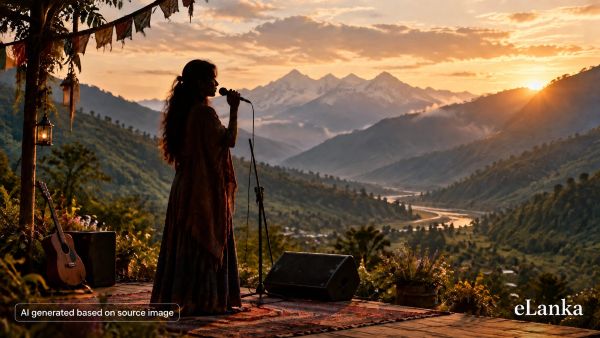
The landscape of Sri Lankan performance art has been profoundly enriched by the emergence of “Janui Mamai,” a collaborative musical endeavour that bridges the gap between traditional rhythmic mastery and contemporary vocal elegance. This evocative sing-along event, featuring the multi-talented Jananath Warakagoda and Dinesh Perera, has captured the attention of the global Sri Lankan community, serving as a poignant reminder of the enduring power of cultural heritage when coupled with modern artistic innovation. As the title suggests, translating to “Janu and I”, the performance is anchored in a deep sense of camaraderie and shared musical vision, offering an intimate yet celebratory experience that resonates with audiences across various geographical boundaries, from Colombo to the vibrant hubs of the Sri Lankan community in Australia.
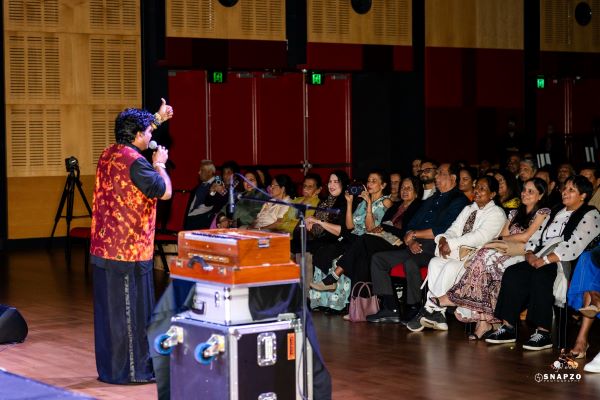
The Artistic Lineage of Jananath Warakagoda
Central to the success of this collaboration is Jananath Warakagoda, a figure whose name is synonymous with the preservation and evolution of Sri Lankan percussion and folk music. Born into one of the nation’s most prestigious artistic families, Jananath is the son of the legendary Wijeratne Warakagoda and Chitra Warakagoda, individuals whose contributions to the theatre and cinematic history of Sri Lanka are considered foundational. It is within this environment of creative excellence that Jananath honed his craft, developing a style that is both instrumental in its technical precision and replete with the soulful essence of traditional folk rhythms.
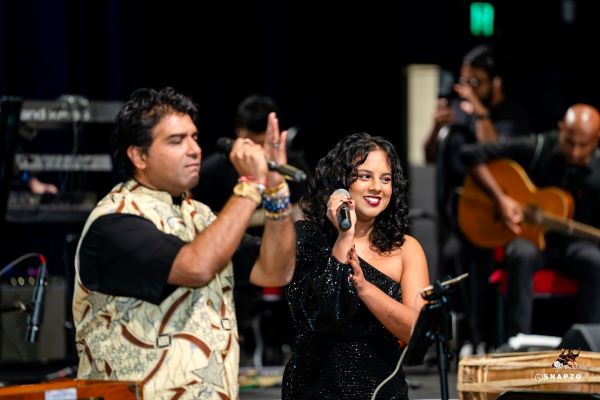
Jananath’s mastery of the Getabera and other indigenous percussion instruments has allowed him to transcend the role of a traditional musician, transforming into a versatile performer who seamlessly integrates vocals into his percussive sets. His ability to command a stage with a singular drum, while simultaneously engaging the audience in a rhythmic dialogue, has made him a sought-after artist for community gatherings and formal concerts alike. In “Janui Mamai,” his presence provides the rhythmic heartbeat of the evening, ensuring that the ancient pulse of Sri Lankan culture remains at the forefront of the contemporary sing-along format.
Sankha Ridma Dance Ensemble Sydney Australia Founder Dinesh Perera
The artistic director of the troupe, Mr. Dinesh Perera, originated his routines from his specialty talent on top of heredity. The troupe’s iconographic performances are conceived with his imagination and pioneer choreography.
Mr.Dinesh Perera, he began dance lessons in early childhood, moreover got expertise in traditions and developed his own style that he found more natural. Dinesh Started his dancing career as a junior dancer under the guidance of Ms Mallika Jayathungaat a very tender age during his primary school days at the Ananda Sastralaya Kotte in 1983.
Just a year later, in 1984 he joined “Kala Bhumi” a cuitural institution run by the famous musicion Rohana Weerasinghe. After 4 years of full time intensive training under Guru Edward Perera, on 8th of August 1988 Dinesh graduated as a traditional Ves Dancer, obtaining the highest possible level of achievement in the traditional Kandyan dancing field. At the age of fifteen he was teaching others to dance, and remained a gifted and committed teacher throughout his life, possessing a very individualistic view on teaching, which has driven him to success.He continued with “Kala Bhumu” as a competent professional until 1993.
At the age of 19 he was start teaching others and start Choreography as a dancing director in Nippon Sri Lanka Educational & Cultural Center and starts to take the Sri Lankan dancing to the world with his fist tour in japan as a dancer, choreographer and dancing director in 1993. Dinesh toured Japan as a Dancing Instructor under the sponsorship of Nippon Sri Lanka Educational & Cultural Center Leading a 13 strong Dancers to that country. He toured 9 Japanese cities bringing high repute to Sri Lanka through their brilliant performances in every location.
July 1993 was an important milestone in his career when he Staged his own Dance concert named “Swarna Rekha” in the prestigious Jone De Silva Memorial Theater. Then he gets the opportunity to work with three leading dancing institutions, namely, “Budawatta Dance Troupe”, “Channa Upuli Performing Arts Foundation”, “Ravibandhu-Samanthi School of Dance” to serve as an eminent Dancer.
Being a professional, his travels to overseas simply increased his exposure and led him to be a cultural icon referenced by all sorts of media. He was allotted as the one of the leading dance of the foremost dance troupe at the Government National State Dance Ensemble Sri Lanka in 1998, where he Performed, noting the existence of both classic dance derivatives and a unique break away from the cultural norm of rigid tradition.
Today Dinesh is renowned internationally as an immense illustration of what a combination of hard work and raw talent can allocate one to accomplish.
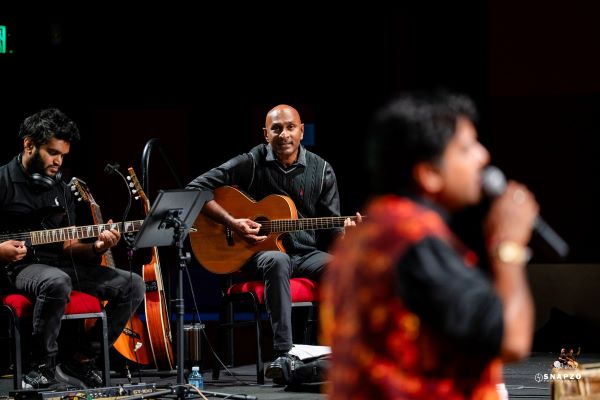
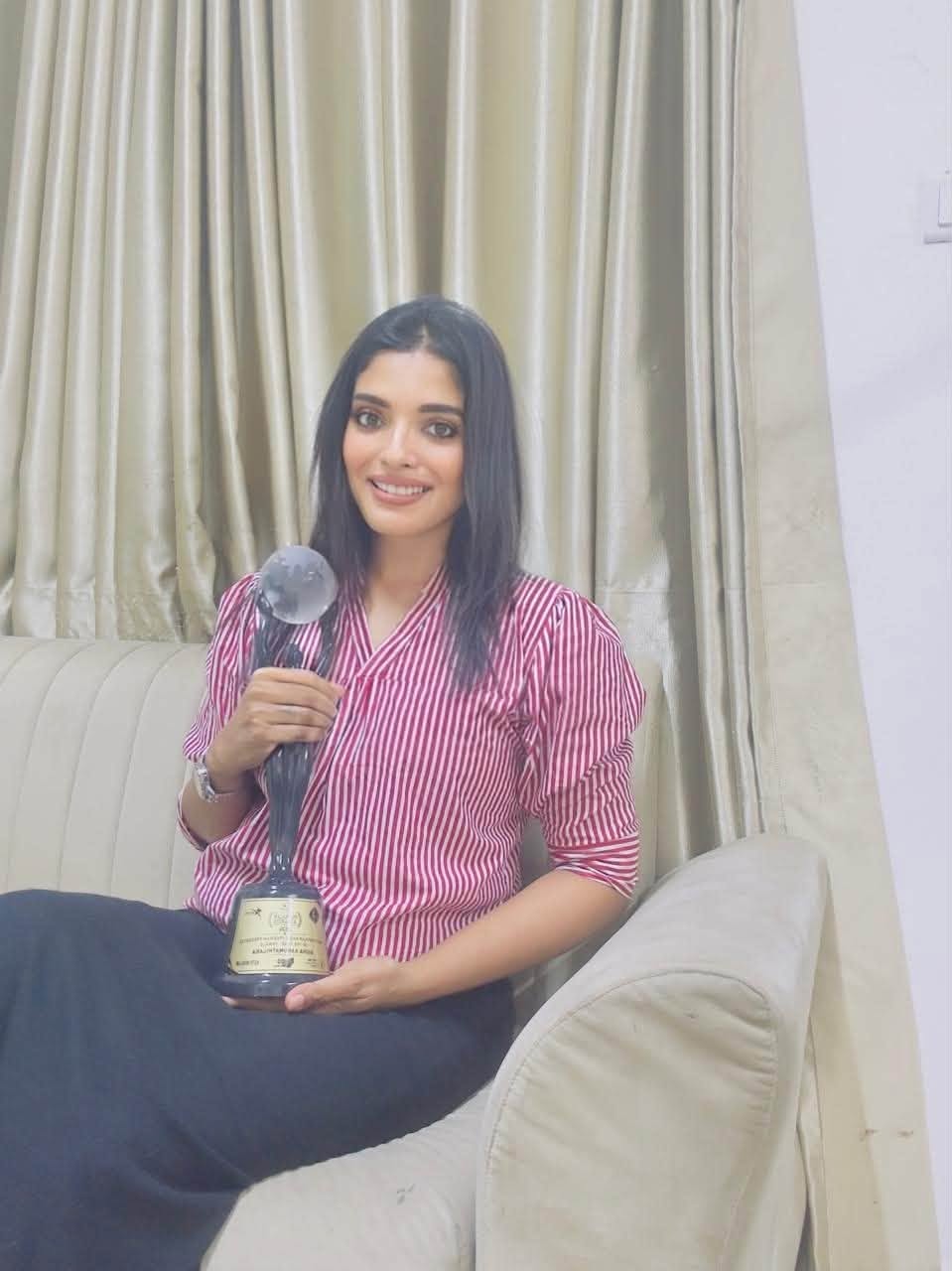
Ruvee Nimnadi was a guest vocalist at the event and it was mesmerising to witness her performance with the recently completed Cover song done with Jananath Warakagoda – Mage Mandri Nam Bisoge, This is a song from the Wessantara Nurthi written by Attorney-at-Law John de Silva.
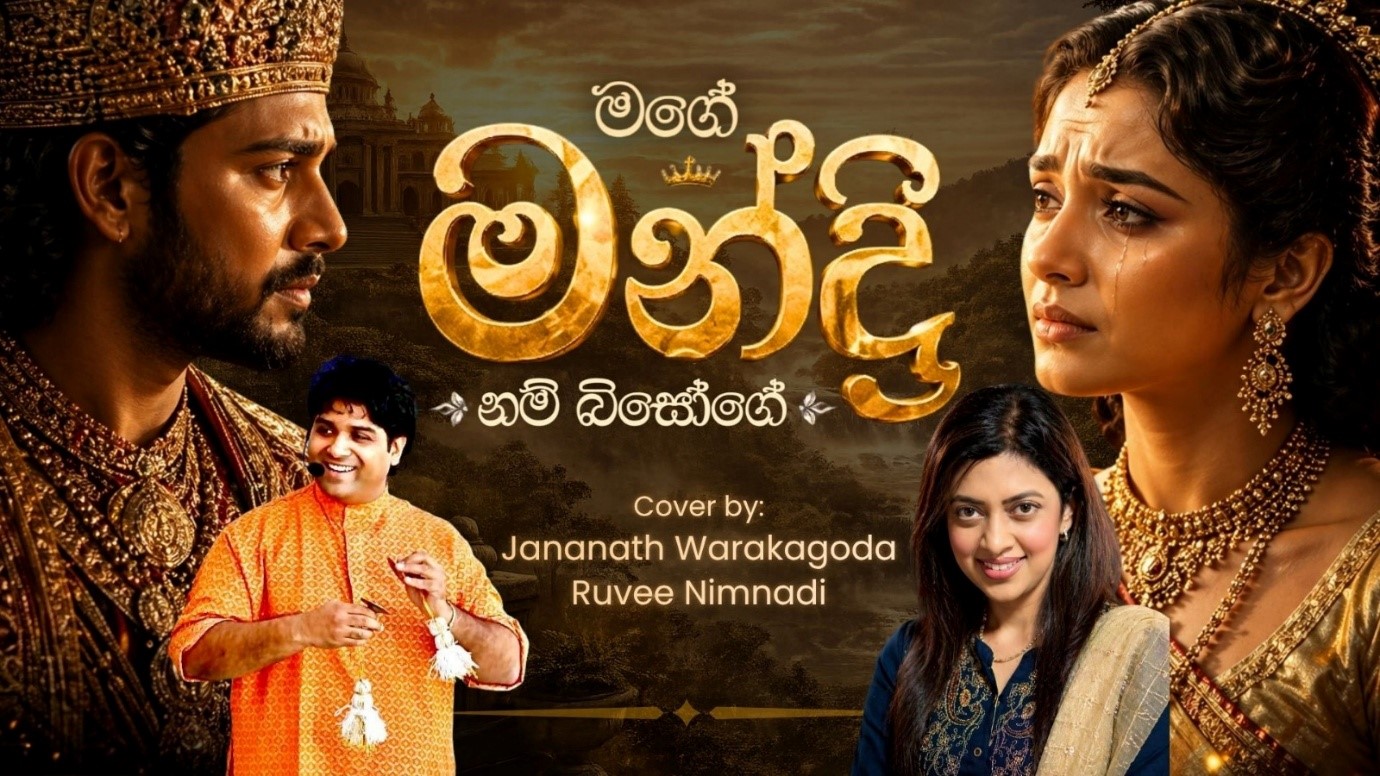
Watch now on YouTube: https://www.youtube.com/watch?v=L0dKj_ZwMrY
This ensures that the “Janui Mamai” experience is one of collective nostalgia and cultural pride as Ruvee brings a fresh perspective to beloved classics, ensuring that the melodies of the past are preserved with the utmost respect and craftsmanship.
The Tradition of the Sri Lankan Sing-Along
The sing-along format holds a special place within the cultural fabric of the Sri Lankan community, particularly for those residing in countries such as Australia, Canada, and the United Kingdom. These events are far more than mere musical performances; they function as vital social conduits that facilitate a sense of belonging and unity. In an era where digital connectivity often replaces physical interaction, the “Janui Mamai” sing-along encourages active participation, inviting the audience to lend their voices to the chorus of shared heritage.
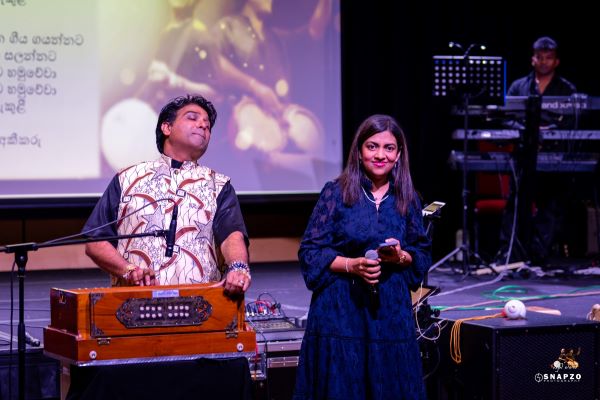
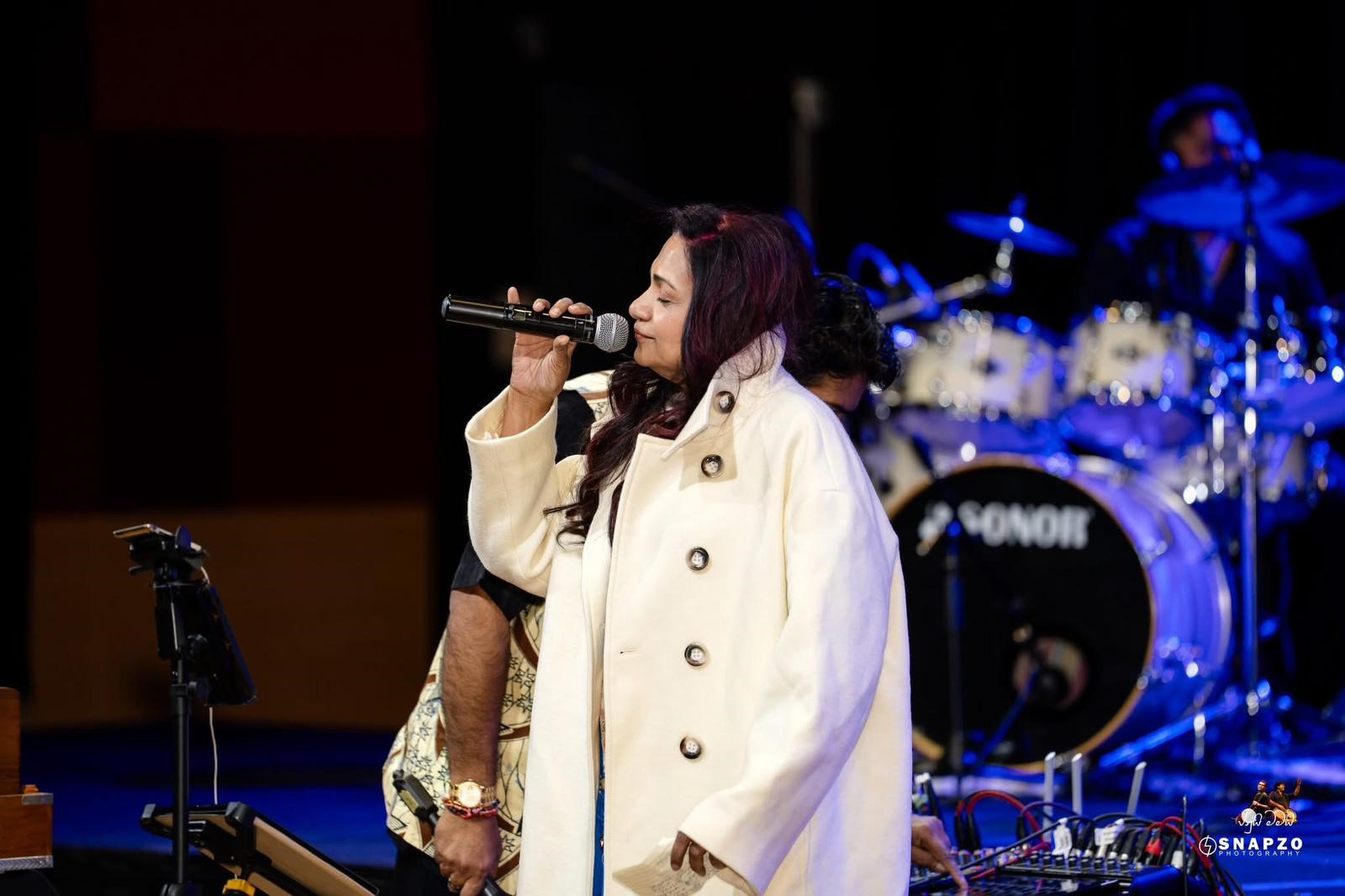
This tradition of communal singing is deeply rooted in the concept of the “bailas” and “pahan kanda” sessions that have historically been the centrepiece of Sri Lankan celebrations. By modernising this format, Jananath and Dinesh have created a space where the community can gather to celebrate positive stories and cultural milestones. The rhythmic structures provided by Jananath’s percussion are instrumental in guiding the audience through the evening, creating a steady rhythm that bridges the past utility of folk music with the modern-day observation of communal joy.
A Fusion of Tradition and Modernity
One cannot discuss “Janui Mamai” without acknowledging the meticulous attention to detail paid to the musical arrangements. The inclusion of traditional instruments, such as the Getabera, alongside modern acoustic settings, highlights the untapped potential of fusion music within the community. These instruments are not merely decorative elements but are utilised to provide a grounding force that distinguishes this event from more commercialised musical offerings.

The craftsmanship involved in these performances is evident in the way Jananath and Dinesh navigate the transitions between high-energy rhythmic sections and more contemplative, melodic passages. This balance ensures that the audience remains engaged throughout the duration of the event, finding moments of both exuberant celebration and quiet reflection. It is this versatility that has allowed “Janui Mamai” to become a beacon of cultural excellence, showcasing the sophisticated nature of Sri Lankan artistry on a global stage.
eLanka’s Commitment to Cultural Excellence
As the primary bridge connecting Sri Lankans globally with their heritage, eLanka remains dedicated to highlighting such instrumental collaborations that celebrate the spirit of the community. Our mission is to share and celebrate positive stories, and the success of “Janui Mamai” is a testament to the talent and resilience of our artists. We believe that by providing a platform for events like these, we help the global community stay connected to their roots while fostering a sense of social consciousness and outstanding value.
“Janui Mamai” offers a unique opportunity to witness the evolution of Sri Lankan music. We encourage our members to continue supporting these cultural initiatives, as they are vital to ensuring that our traditions are passed down to future generations with the same authenticity and excellence that they deserve
For those interested in discovering more about upcoming events, musical releases, and community news, eLanka continues to be your comprehensive digital hub. We provide the latest news and updates, ensuring that the vibrant stories of Sri Lankans worldwide are told with clarity and passion.
Source: https://www.facebook.com/share/17YihR5WhN/
This article was written based on the source https://www.facebook.com/share/17YihR5WhN/ , kindly email us at info@eLanka.com.au if any information needs to be corrected.
Please visit eLanka Facebook page for more photos (click here)
At eLanka, we respect the rights of creators. If we have used an image you own and you’d like it removed, please email us at info@elanka.com.au and we’ll handle it promptly.