What Sri Lankan diabetic patients should know about the long-term use of GLP-1, SGLT-2, and DPP-4 medications-by Harold Gunatillake

Overview:
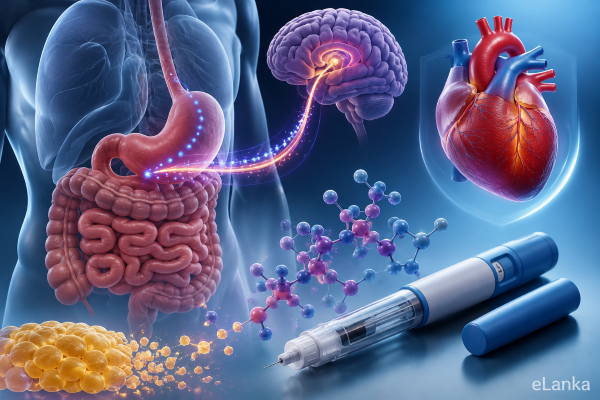
GLP-1 Receptor Agonists (Glucagon-Like Peptide-1): GLP-1 receptor agonists mimic an intestinal hormone called incretin. When you eat, this medication triggers your body to produce more insulin, slows stomach emptying, and signals your brain that you are full.
Primary Mechanism: Enhances glucose-dependent insulin secretion, suppresses glucagon, and delays gastric emptying.
Administration: Mostly subcutaneous weekly or daily injections; one oral option exists (semaglutide).
Weight Impact: Significant weight loss.
Cardiovascular Benefits: Strong protection against heart attacks, strokes, and cardiovascular death.
Common Side Effects: Nausea, vomiting, diarrhoea, and decreased appetite.
Key Examples: Semaglutide (Ozempic, Wegovy, Rybelsus), Liraglutide (Victoza, Saxenda), and Dulaglutide (Trulicity).SGLT2 Inhibitors (Sodium-Glucose Cotransporter-2):
SGLT2 inhibitors work directly through the kidneys rather than relying on insulin production. They block the proteins that usually reabsorb sugar back into your blood, forcing the kidneys to flush out excess glucose through your urine.
Primary Mechanism: Blocks glucose reabsorption in the proximal renal tubules, causing glucosuria.
Administration: Daily oral tablets.
Weight Impact: Moderate weight loss due to calorie loss from excreted sugar.
Cardiovascular & Renal Benefits: Outstanding reduction in heart failure hospitalisations and major protection against chronic kidney disease progression.
Common Side Effects: Urinary tract infections (UTIs), genital yeast infections, and increased urination.
Key Examples: Empagliflozin (Jardiance), Dapagliflozin (Farxiga), and Canagliflozin (Invokana).DPP-4 Inhibitors (Dipeptidyl Peptidase-4): DPP-4 inhibitors block an enzyme called DPP-4, which normally breaks down the body’s natural GLP-1 hormones. By keeping these hormones active longer, the body can naturally lower blood sugar spikes after meals. They are considered “weight-neutral” and gentle.
Primary Mechanism: Inhibits the degradation of endogenous incretin hormones, boosting natural insulin release.
Administration: Daily oral tablets. Weight Impact:
Weight neutral (no weight gain or loss)
Cardiovascular Benefits: Generally safe, but offer neutral cardiovascular benefits; some carry a small warning for heart failure.
Common Side Effects: Upper respiratory tract infections, headache, and rare joint pain.
Key Examples: Sitagliptin (Januvia), Linagliptin (Tradjenta), and Saxagliptin (Onglyza).
For Sri Lankans living with diabetes, modern medications like GLP-1 receptor agonists, SGLT-2 inhibitors, and DPP-4 inhibitors have truly transformed how we approach long-term care.
These medicines are commonly available all over the island—from government clinics to private hospitals—and they provide strong protection against heart problems, kidney issues, and other complications that used to seem unavoidable.
As more Sri Lankan patients stay on these medications for four years or more, important insights from global clinical studies have come to light. Knowing about these long-term effects helps patients work together with their doctors to make the best decisions for their health.
Why These Drugs Matter for Sri Lankans
Sri Lanka is experiencing a rapid increase in diabetes, making it one of the most affected areas in South Asia. As more people become obese, adopt sedentary lifestyles, and change their diets, it’s estimated that over 20% of adults are living with diabetes or prediabetes.
In this situation, newer medication options are becoming really important because they:
- Help control blood sugar without leading to weight gain
- Lower the risk of heart attacks, strokes, and heart failure
- Offer long-term kidney protection
- Have safer profiles over time compared to older drugs like
For many people in Sri Lanka—who often face both diabetes and heart issues—these advancements truly can be life-changing.
Long-Term Safety: What Can You Expect After Four Years of Use?
Large international studies and real-world monitoring show that these medications remain highly effective and are generally safe even after four years. However, patients need to be aware of the unique long-term risks associated with each drug class.
1. GLP-1 Receptor Agonists (e.g., Semaglutide, Liraglutide)
- These medications help slow down how quickly your stomach empties, curb your appetite, and boost insulin secretion—making managing diabetes more
- Looking ahead, it’s good to be aware of some long-term considerations:
- – Some people might still experience stomach discomfort like nausea or vomiting even after years of
- There’s a small chance of developing gallstones or gallbladder inflammation, so regular check-ups are
- Because blood sugar levels can drop quickly, it might temporarily make diabetic eye issues worse, so monitoring your eye health is
- While there’s a theoretical concern about thyroid C-cell tumours based on animal studies, such cases in humans are extremely
- Staying informed and working closely with your healthcare provider can help you navigate these points
Sri Lankan Context
Patients with long-standing diabetes and existing retinopathy—something quite common in Sri Lanka—should be kept under close watch when beginning GLP-1 therapy to ensure their safety.
2. SGLT-2 Inhibitors (e.g., Empagliflozin, Dapagliflozin)
These medications help your kidneys remove extra glucose through urine, helping you manage your health more comfortably.
· Long-Term Issues
- Recurrent genital infections, such as yeast infections, can sometimes persist, especially in humid climates like Sri Lanka.
- Euglycemic diabetic ketoacidosis (DKA) is rare but can be serious; it’s more likely to occur during times of illness, fasting, or dehydration.
- The risk of acute kidney injury may increase slightly during episodes of severe dehydration, which is particularly important in Sri Lanka’s hot climate.
- Some data suggest caution regarding possible bone density concerns, particularly for older adults who might be at higher risk of fractures.
Sri Lankan Context
Staying well-hydrated is really important. If you’re someone who works outside or fasting for religious reasons, it’s especially important to pay close attention to your hydration to stay healthy and comfortable.
3. DPP-4 Inhibitors (e.g., Sitagliptin, Linagliptin)
- These medications help extend the beneficial effects of your body’s natural incretin hormones, which can be quite
- However, it’s good to be aware of some long-term Over time, their effectiveness might gradually diminish so that blood sugar control could become a bit more challenging after several years.
- While rare, there have been reports of pancreatitis and severe joint pain associated with these Additionally,
some medications, such as saxagliptin, have been connected to an increased risk of heart failure hospitalisations. Knowing these points can help you and your healthcare provider make the best decisions for your health.
Sri Lankan Context
Since DPP-4 inhibitors are commonly prescribed in government clinics, it’s helpful to be aware of their diminishing effectiveness for better long-term planning.
Balancing Risks with Benefits: The Big Picture
Despite these long-term considerations, the medical consensus is quite clear: for most Sri Lankan patients, the benefits of these medications greatly outweigh the risks.
In terms of cardiovascular protection, GLP-1 and SGLT-2 drugs can significantly reduce occurrences such as heart attacks, strokes, and hospitalisations for heart failure. This is especially important in Sri Lanka, where cardiovascular disease remains the top cause of death.
Kidney Protection
SGLT-2 inhibitors help protect the kidneys from damage and slow progression to dialysis—especially important in a country where renal care can be expensive and hard to access.
Weight and Metabolic Benefits
GLP-1 medications can help with ongoing weight loss, which might be really encouraging for many Sri Lankan patients dealing with obesity. On the other hand, DPP-4 inhibitors tend to keep weight stable, providing a good option for those concerned about weight gain.
What Sri Lankan Patients Should Do
This article offers helpful information, but you need to make personal decisions in consultation with a qualified healthcare professional.
Remember to talk with your doctor about any persistent side effects you experience. Regular check-ups of your eyes, kidneys, and heart are key.
Staying well-hydrated is especially important when using SGLT-2 inhibitors. Be cautious with sudden changes in your diet or fasting for long periods without medical guidance.
Don’t forget to report any unusual symptoms like severe abdominal pain or joint discomfort. Taking these simple steps can help ensure your long-term therapy is both safe and effective.
A recent study suggests that using GLP-1 drugs may be associated with an increased risk of hair loss, with some findings indicating up to 68% higher chances. It’s important to be informed about these potential side effects and discuss any concerns with your healthcare provider.
Recent research shows that people on GLP-1 medications for type 2 diabetes experienced a slightly higher rate of hair loss compared to those on other treatments.
Specifically, users of GLP-1 had a 37% increased chance of developing non-scarring alopecia—hair loss that doesn’t permanently damage hair follicles—when compared to SGLT-2 inhibitors.
The risk was even higher, at 68%, when compared to DPP-4 inhibitors.
Luckily, the actual number of cases is quite small, with just about 6-7 new instances per 1,000 users each year.
Still, the pattern observed across these comparisons is significant enough that patients should be aware before starting their treatment.
Dr Mir Ali, a bariatric surgeon not involved in the study, shares that “the medication acts as a catalyst for weight loss, but the resulting physiological stress and hormonal changes are often the direct trigger.
Researchers are now exploring whether the speed of weight loss or specific nutritional deficiencies play a role in this side effect.
For more details, check out “GLP-1 drugs linked to temporary hair loss: Here’s why.”
Besides this, here’s what else is making news this week: GLP-1s are also linked to a small increase in rare eye risks; there are five key points to know about the new cholesterol guidelines. A KRAS pancreatic cancer vaccine has successfully overcome its first challenge.
Conclusion
Sri Lankan diabetic patients now have the wonderful opportunity to access some of the most advanced and protective diabetes medications worldwide.
While using GLP-1, SGLT-2, and DPP-4 inhibitors over the long term does involve certain risks, the abundant evidence highlights their significant benefits for heart health, kidney health, and metabolic well-being, making them essential tools in today’s diabetes management.
By understanding these medications—how they work, their long-term effects, and how to use them safely—Sri Lankans can be empowered to live healthier, longer, and more confident lives with diabetes.
I hope this article will help diabetic patients learn more about these medications and understand how they work, so they can choose what works best for them.
End