Sri Lanka’s total export earnings reached US$10.437 billion between January and July 2026, marking the first time that the country has recorded more than US$10 billion in export earnings during the first seven months of a year.
The figure was disclosed by Sri Lanka Export Development Board Chairman Mangala Wijesinghe at a media briefing held on 31 August 2026 at the Department of Government Information, where the country’s export performance for July was reviewed.
The milestone presents a significant indication of the breadth and resilience of Sri Lanka’s external trade performance, with contributions being recorded across merchandise exports and services, together with continued demand for several established Sri Lankan products and professional capabilities in international markets.
Merchandise and services form the foundation
According to the figures reported by Ada Derana, merchandise exports contributed US$8.188 billion to the January–July total, while services exports generated US$2.199 billion during the same period.
The figures demonstrate the increasingly diversified character of Sri Lanka’s export economy, in which traditional agricultural and industrial products operate alongside technology-driven and knowledge-based services. Although merchandise remains the larger component, the services sector has become an increasingly important part of the country’s international commercial profile.
This combination is particularly relevant to Sri Lankans living in Australia, the United Kingdom, Canada, New Zealand, the United States and other countries, where Sri Lankan products, professional services and entrepreneurial ventures continue to establish commercial connections with customers and organisations around the world.

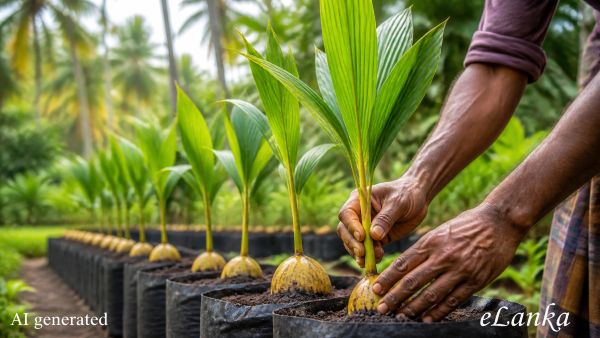
Sri Lanka’s agricultural and value-added products continue to form an important part of the country’s export identity. AI-generated image.
July records US$1.637 billion in total exports
July 2026 alone produced US$1.637 billion in total exports, based on Sri Lanka Customs data cited at the briefing.
Of that monthly figure, merchandise exports accounted for US$1.285 billion, while services exports contributed US$351 million. The July performance formed part of the broader January–July result and provided another indication of the scale at which Sri Lankan goods and services are reaching international markets.
The reported numbers also underline the importance of examining export performance as a combination of several industries rather than as the outcome of one individual product category. Agricultural goods, industrial manufacturing, specialised products, technology services and logistics all contribute to the commercial network through which Sri Lankan enterprises engage with overseas buyers.
Tea and coconut products remain prominent contributors
Tea and coconut-based products were identified among the key contributors to export earnings during the first seven months of 2026.
Ceylon Tea continues to possess strong recognition in international markets because of its distinctive regional character, established quality standards and long-standing place within Sri Lanka’s commercial heritage. Coconut products, meanwhile, represent an important example of how an agricultural resource can support a broad value chain, encompassing food products, ingredients and other processed goods.
The report also noted that tea exports experienced a slowdown compared with the corresponding period of the previous year. This qualification provides necessary context to the wider positive performance, demonstrating that the overall result was achieved despite differing conditions across individual sectors and that not every export category recorded the same level of momentum.
The continued development of value-added tea and coconut products could provide further opportunity for Sri Lankan producers, particularly where product quality, packaging, traceability and reliable distribution are aligned with the expectations of international consumers.
Industrial and specialised products add breadth
The rubber industry, food and beverages, electrical and electronic products, gems and jewellery, and spices were also reported as notable contributors to export performance during the January–July period.
Sri Lanka’s rubber sector supports a range of industrial and consumer applications, while the food and beverage industry connects local agricultural production with international demand for processed and packaged products. Electrical and electronic products reflect the country’s participation in more technically specialised supply chains, where consistency and manufacturing expertise remain essential.
Gems and jewellery continue to benefit from Sri Lanka’s historic reputation for precious stones and skilled craftsmanship. The sector’s international potential rests not only in the value of the stones themselves but also in the quality of cutting, design, setting and finished presentation.
Sri Lankan spices, including cinnamon and other distinctive products, similarly possess a strong cultural and commercial identity. Their international appeal is strengthened when traditional knowledge is supported by modern food safety practices, responsible sourcing and professional export management.

Value-added food, spice and jewellery products contribute to the breadth of Sri Lanka’s export offering. AI-generated image.
IT-related services and logistics show strong performance
The services sector also recorded an important contribution to the January–July export result, with information technology-related services identified as a particularly strong area.
Sri Lankan IT professionals and technology companies have increasingly participated in international projects involving software development, business process services, digital solutions and technical support. The sector provides an avenue through which expertise can be delivered globally without the physical movement of a conventional merchandise product.
For Sri Lankan professionals living overseas, this development is especially relevant because international connections can be established through skills, enterprise and collaboration. Technology-based services also create opportunities for partnerships between Sri Lankan firms and businesses in Australia, the United Kingdom, North America and other markets.
The logistics sector was another area reported to have recorded significant growth during the period. Efficient logistics are instrumental to export competitiveness because products must be collected, processed, stored, transported and delivered through carefully coordinated systems. Improvements in logistics can therefore support both established exporters and smaller businesses seeking to enter international markets.

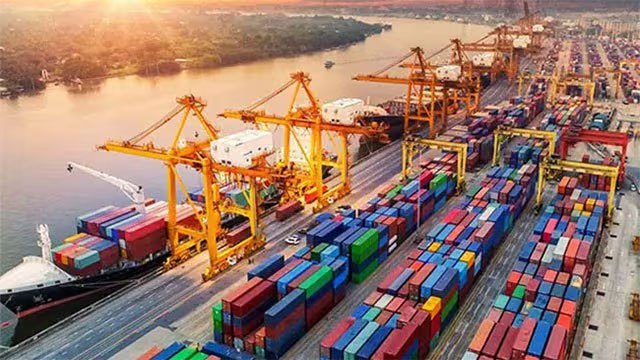
Logistics and international connectivity remain essential to the movement of Sri Lankan goods and services. AI-generated image.
A milestone with significance for Sri Lankan businesses
The US$10.437 billion result provides a positive point of reference for Sri Lankan businesses, producers and service providers seeking to strengthen their presence in international markets.
It also illustrates the value of combining Sri Lanka’s traditional strengths with modern commercial capabilities. Tea, coconut products, rubber, spices, food and beverages, gems and jewellery remain closely connected to the country’s natural resources, heritage and craftsmanship, while electrical and electronic products, IT-related services and logistics demonstrate the importance of technical expertise and professional infrastructure.
For the result to produce lasting commercial value, attention will remain necessary in areas such as product development, quality assurance, international branding, digital marketing, business-to-business relationships and dependable supply chains. These elements can help ensure that export earnings are supported by enterprises capable of maintaining high standards and responding carefully to the requirements of overseas customers.
The achievement also offers a constructive reminder to the global Sri Lankan community that products and services originating in Sri Lanka continue to reach markets far beyond the island. Sri Lankan businesses abroad can play a useful role by introducing quality products to local customers, forming commercial partnerships and helping create stronger links between enterprises in Sri Lanka and the countries in which they now live.
As a long-standing digital platform connecting Sri Lankans in Australia and around the world, eLanka continues to share positive stories about Sri Lankan businesses, achievements and community progress. The latest export figures provide another encouraging example of Sri Lanka’s capacity to participate in international commerce through a combination of heritage industries, manufacturing, technology and professional services.
Tags: Sri Lanka exports, Sri Lankan business, Export Development Board, Global Sri Lankan community
Source: https://adaderana.lk/news/cmth13z1o0006356pb8syec9t
This article was written based on the source https://adaderana.lk/news/cmth13z1o0006356pb8syec9t, kindly email us at info@eLanka.com.au if any information needs to be corrected.
(adsbygoogle = window.adsbygoogle || []).push({});
At eLanka, we respect the rights of creators. If we have used an image you own and you’d like it removed, please email us at info@elanka.com.au and we’ll handle it promptly.