WHO Commends Sri Lanka for a Decade Free from Malaria and Maternal and Neonatal Tetanus
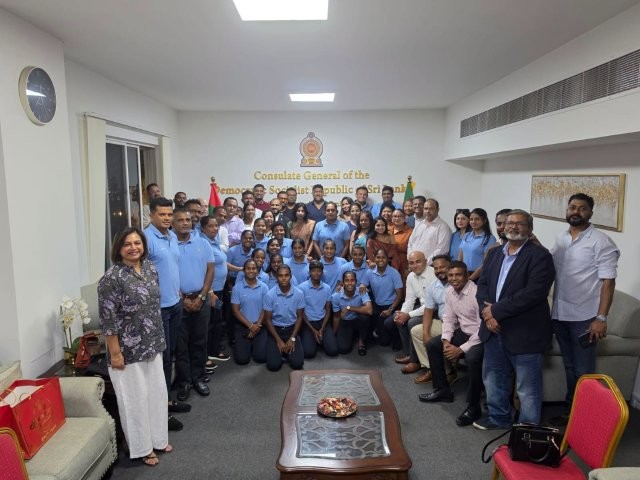
The source image is reproduced with credit to The Asian News Post.
Sri Lanka has received international recognition for sustaining two significant public-health achievements for a full decade, after the World Health Organization Regional Office for South-East Asia congratulated the country for maintaining its malaria-free status and the elimination of maternal and neonatal tetanus.
The commendation, issued in a citation dated 8 September 2026, represents an important acknowledgement of the country’s long-term investment in disease prevention, primary healthcare, immunisation, maternal services and community-based surveillance. It also reflects the contribution of health workers, families, communities and successive health administrations whose combined efforts have enabled these achievements to be maintained over many years.
The recognition was issued by Dr Nilesh Buddha, Officer-in-Charge of the WHO Regional Office for South-East Asia. The WHO described the two milestones as “remarkable public health successes” and extended its congratulations to the Government of Sri Lanka, particularly the Ministry of Health and Mass Media.

A decade of malaria-free status
Sri Lanka has maintained its malaria-free status for ten years since receiving formal certification from the WHO in 2016. Malaria had historically represented a considerable public-health challenge across the island, particularly in areas where environmental conditions supported mosquito breeding and where communities faced limited access to rapid diagnosis and treatment.
The achievement was therefore not the result of a single intervention, but of a sustained national programme involving disease surveillance, vector control, diagnostic capacity, prompt treatment and continued attention to vulnerable communities. Once local transmission had been interrupted, the focus necessarily shifted towards preventing the disease from becoming established again.
The WHO attributed Sri Lanka’s continued success to a sustained commitment to malaria elimination and ongoing vigilance against re-establishment. This distinction is important, because maintaining a malaria-free status requires persistent monitoring even after indigenous transmission has been interrupted. Imported cases, environmental changes and the movement of people can create conditions in which malaria might return, making surveillance and rapid response instrumental to protecting the progress already achieved.

Sri Lanka’s experience demonstrates how a coordinated public-health system can move from controlling a serious infectious disease to protecting the population from its return. The achievement also contributes to wider regional efforts to maintain a malaria-free South-East Asia Region, where countries continue to strengthen prevention, detection and response systems.
Protecting mothers and newborns
The second milestone concerns the sustained elimination of maternal and neonatal tetanus for ten years. Maternal and neonatal tetanus can affect mothers and newborn children when vaccination coverage is inadequate or when childbirth takes place in unsafe conditions. The disease is preventable, yet it has historically caused severe illness and death in communities where immunisation and safe delivery services were difficult to access.
According to the WHO, Sri Lanka’s progress has been supported by strong national commitment, high-quality immunisation services and safe delivery practices across the country. These measures have helped to protect women of reproductive age, improve the safety of childbirth and reduce the risk of infection during the critical period surrounding delivery.
The milestone also reflects the importance of accessible maternal healthcare. Antenatal services, skilled birth attendance, trained health personnel, hygienic delivery environments and reliable immunisation programmes must function together if elimination is to be sustained. The achievement is consequently a reflection not only of medical policy, but also of the everyday work carried out in hospitals, clinics and local communities.

By maintaining the elimination of maternal and neonatal tetanus for a decade, Sri Lanka has shown that public-health progress can be preserved when preventive services remain consistent and communities continue to be reached. The result is particularly meaningful because newborn health is closely connected to the quality, accessibility and reliability of maternal services.
The value of sustained public-health work
International health milestones are often associated with a particular certification date or official announcement, yet the underlying work is usually spread across decades. Sri Lanka’s present recognition has been built through the contribution of public-health inspectors, midwives, nurses, doctors, laboratory personnel, immunisation teams, administrators and community leaders.
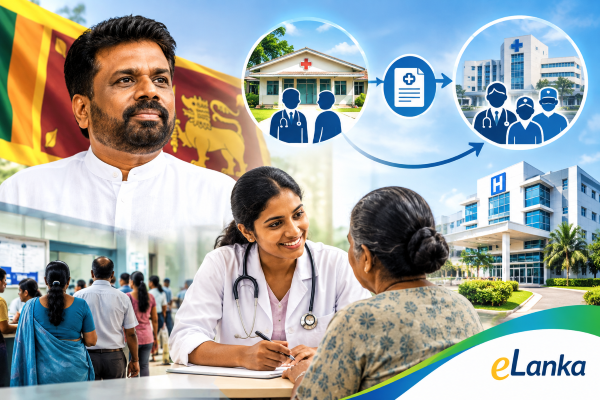
In many parts of the country, health services have historically been delivered through a wide network of government facilities and community-based programmes. The ability to reach families beyond major urban centres has been essential to maintaining high standards of disease prevention. Such work may not always attract public attention, but it remains fundamental to the protection of mothers, newborns and the wider population.
The dual achievement also illustrates the value of prevention. A strong health system is not measured only by its response to illness, but by its capacity to prevent disease, identify risks at an early stage and maintain public confidence in essential services. Immunisation, safe delivery practices and disease surveillance are therefore not isolated activities; they form part of an integrated framework that supports healthier communities.

The WHO’s recognition provides a positive reminder that long-term public-health programmes can deliver enduring results when they are supported by professional expertise, community participation and consistent institutional attention. It also offers a constructive example for other countries seeking to protect hard-won gains against preventable diseases.
A regional contribution
The WHO noted that Sri Lanka’s achievements contribute to broader efforts across the South-East Asia Region. Disease elimination is rarely confined to the boundaries of one country, since travel, migration, environmental conditions and regional health systems can influence the risk of transmission.
Sri Lanka’s continued malaria-free status and sustained elimination of maternal and neonatal tetanus consequently carry significance beyond the island itself. They strengthen the collective health achievements of the region and demonstrate the benefits of maintaining prevention programmes after a disease has been brought under control.
The recognition also places renewed attention on the importance of preserving public-health capacity. Continued vigilance, reliable immunisation services, safe maternity care and effective surveillance will remain necessary to ensure that these milestones are not treated as final destinations, but as achievements requiring responsible stewardship.
For Sri Lankans in Australia and around the world, the WHO commendation represents a source of genuine national pride. It acknowledges the dedication of the country’s health workers and communities while highlighting a public institution whose work has protected generations of families.
Sri Lanka’s decade free from malaria and maternal and neonatal tetanus is, therefore, more than a statistical milestone. It is evidence of what can be achieved through patient, organised and sustained public-health work, and it provides an encouraging example of how preventive healthcare can create lasting benefits for an entire nation.
Source: The Asian News Post – WHO commends Sri Lanka for 10 years of sustained malaria-free, tetanus elimination status; Lanka Newspapers – Sri Lanka Marks a Decade Free from Malaria and Tetanus as World Takes Notice
This article was written based on the sources https://asiannewspost.com/2026/09/09/who-commends-sri-lanka-for-10-years-of-sustained-malaria-free-tetanus-elimination-status/ and https://www.lankanewspapers.com/2026/09/09/sri-lanka-marks-a-decade-free-from-malaria-and-tetanus-as-world-takes-notice, kindly email us at info@eLanka.com.au if any information needs to be corrected.
(adsbygoogle = window.adsbygoogle || []).push({});
At eLanka, we respect the rights of creators. If we have used an image you own and you’d like it removed, please email us at info@elanka.com.au and we’ll handle it promptly.