Sri Lanka Gazettes 20 Forests Covering 9,538 Hectares as Protected Reserves
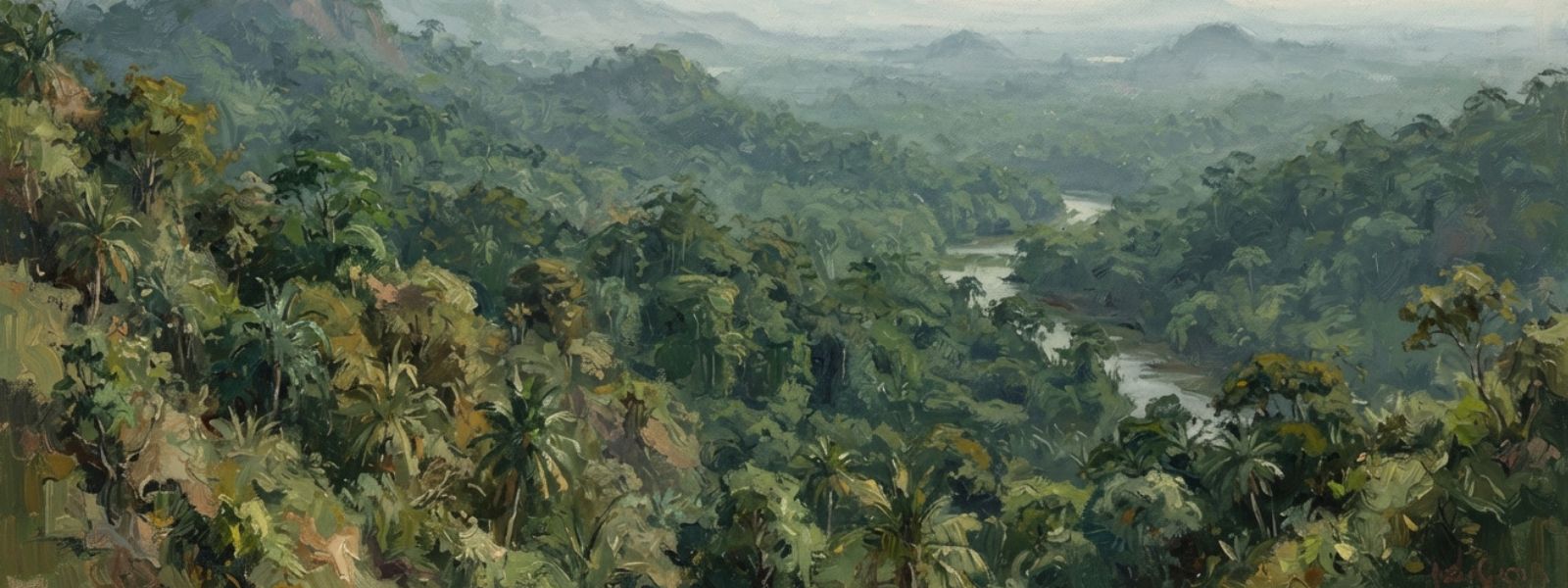
Image Source : newsfirst.lk
Sri Lanka has granted protected status to 20 forests covering a combined 9,538.68 hectares, strengthening national efforts to safeguard biodiversity, water resources, wildlife habitats and ecologically sensitive landscapes for future generations.
The protected status was granted on 26 September 2026 through the latest gazette notifications, expanding a broader conservation initiative under which approximately 65,000 hectares of forest land have been declared reserves over the past two years. The milestone was reported by News 1st as an important step in preserving the natural systems that sustain communities, agriculture and wildlife across the island.
The newly protected forests extend across Nuwara Eliya, Kegalle, Ampara, Badulla, Vavuniya and Anuradhapura Districts, bringing together highland forests, dry-zone woodland, mangrove ecosystems and extensive forest blocks in the north-central region.
Twenty forests added to Sri Lanka’s protected network
The largest newly protected area is Karungalikulam 02 in the Vavuniya region, covering 2,537.4 hectares. It is followed by Periyakattikulam 02, covering 1,301.07 hectares, and Vannivilankulam 02, extending across 922.49 hectares.
In the central highlands, the Algin Forest in Talawakelle, Nuwara Eliya, has been granted protected status over 1,419.45 hectares. Located within an environmentally sensitive highland landscape, the forest is particularly important for watershed protection, biodiversity conservation and the regulation of water flows from elevated terrain.
The complete list of newly protected forests is as follows:
- Algin Forest, Talawakelle, Nuwara Eliya – 1,419.45 hectares
- Balalgala Forest, Kegalle District – 73.22 hectares
- Bathalegala Forest, Kegalle District – 27.3 hectares
- Rahalagala Forest, Kegalle District – 157.77 hectares
- Lahugala Shastrawela Aliyakanda Mangrove Mixed Forest, Ampara District – 101.07 hectares
- Lahugala Sengamuwa Forest, Ampara District – 758.2 hectares
- Mahiyanganaya Moopalana Forest, Badulla District – 29.79 hectares
- Mahiyanganaya Heerussagala Forest, Badulla District – 168.09 hectares
- Karungalikulam 02, Vavuniya region – 2,537.4 hectares
- Nedunkeni Chamalankulam 02, Vavuniya region – 580.28 hectares
- Periyakattikulam 02, Vavuniya region – 1,301.07 hectares
- Periyamadu 02, Vavuniya region – 800.86 hectares
- Puliyankulam 02, Vavuniya region – 135.51 hectares
- Puthukulam 02, Vavuniya region – 186.97 hectares
- Vannivilankulam 02, Vavuniya region – 922.49 hectares
- Thambuttegama Habarawatta, Anuradhapura District – 43.99 hectares
- Kandulegama, Anuradhapura District – 46.32 hectares
- Forest area in Medawachchiya, Anuradhapura District – 40.78 hectares
- Musnawa, Anuradhapura District – 17.84 hectares
- Naegama Forest, Anuradhapura District – 190.28 hectares
Together, these areas account for the full 9,538.68 hectares covered by the latest notifications.

AI-generated illustration of a Sri Lankan forest watershed, created for eLanka based on the source report.
Forests are natural water towers and climate regulators
The significance of the gazetting extends well beyond the preservation of trees. Forests function as natural water towers, absorbing rainfall, supporting springs and streams, stabilising watersheds and helping maintain water availability during periods of reduced rainfall.
The forests of the central highlands are especially important because their vegetation and soil systems influence the movement of water towards rivers and lowland settlements. By slowing surface runoff, forest cover can also reduce soil erosion, protect waterways from excessive sedimentation and support more stable conditions for downstream agriculture.
These ecosystems additionally operate as carbon sinks, absorbing and storing atmospheric carbon while contributing to climate regulation. Their dense vegetation, leaf litter and soils form complex ecological systems that help moderate local temperatures, retain moisture and improve resilience in the face of climate change.
The protected forests also provide critical habitats for countless species, including birds, mammals, reptiles, amphibians, insects and plant life that depend upon particular elevations, rainfall patterns and forest structures. The protection of interconnected habitats is instrumental in ensuring that wildlife populations retain access to food, shelter and breeding areas.
Mangrove and mixed forest systems, such as the Lahugala Shastrawela Aliyakanda Mangrove Mixed Forest, provide additional environmental benefits by supporting aquatic life, reducing shoreline and soil degradation, and creating breeding and shelter areas for numerous species.
Stewardship, wildlife and community involvement
Environment Minister Dr. Dhammika Patabendi said the new reserves were intended to produce environmental, ecological and social benefits over the long term.
> “Through the declaration of these reserves, we aim to protect Sri Lanka’s biodiversity, safeguard water sources and watershed areas, conserve forest cover in regions above 5,000 feet, create opportunities for eco-tourism, and preserve areas of archaeological importance found within these forests. We also seek to support elephant conservation and reduce human-elephant conflict. Our objective is to protect biodiversity, environmentally sensitive zones and wildlife habitats, including those of elephants, through active public participation and community involvement.”
The reference to public participation is important because effective conservation depends upon more than legal designation. Forest reserves must also be supported through responsible management, scientific monitoring, community awareness and practical cooperation with people living near protected landscapes.
In regions where elephants and communities share increasingly limited space, the protection of forest habitats can contribute to the maintenance of wildlife corridors and reduce pressure on animals to enter cultivated or residential areas. Community involvement, when supported by sound environmental planning, can therefore become an essential part of both wildlife protection and human safety.
The minister also referred to the conservation of forest cover in regions above 5,000 feet, an area of particular importance in Sri Lanka’s central highlands, where steep terrain, high rainfall and fragile soils make the protection of natural vegetation especially valuable.
Forest Conservation Museum opens in Nuwara Eliya
Complementing the gazetting of the new reserves, authorities opened a Forest Conservation Museum at the Sandathenna Forestry Institute in Nuwara Eliya.
The museum is expected to create a new platform for environmental education, forest research and public awareness. Such an institution can help explain the relationship between forests, rainfall, rivers, wildlife, climate and human wellbeing in a form that is accessible to schoolchildren, researchers, local communities and visitors.
A museum dedicated to forest conservation can also preserve knowledge about Sri Lanka’s changing landscapes, forestry practices and ecological heritage. It provides an opportunity for the public to understand why highland forests, dry-zone woodland, mangroves and smaller forest fragments all have a role in maintaining national environmental stability.

AI-generated illustration of a forest conservation education setting, created for eLanka based on the source report.
A lasting inheritance for future generations
For Sri Lankans living at home and overseas, the declaration of these reserves represents a valuable act of national stewardship. Forests are part of the island’s natural inheritance, but they are also working systems that provide clean water, regulate climate, shelter wildlife and protect the ecological foundations of human life.
The addition of 9,538.68 hectares to the protected forest network demonstrates the value of long-term planning, particularly at a time when habitats around the world are experiencing pressure from land-use change, climate disruption and expanding human activity.
The success of the initiative will depend upon continued protection, responsible enforcement, scientific research and meaningful participation by communities. If these elements are sustained, the newly gazetted forests can remain living reservoirs of biodiversity and water security, while also preserving landscapes of cultural, archaeological and environmental importance.
The decision offers a hopeful reminder that conservation is not merely an act of preserving the past. It is an investment in the rivers, wildlife, forests and communities that will shape Sri Lanka’s future.
This article was written based on the source https://english.newsfirst.lk/2026/09/26/the-silent-guardians-of-water-wildlife-and-climate-the-day-20-sri-lankan-forests-found-protection, kindly email us at info@eLanka.com.au if any information needs to be corrected.
At eLanka, we respect the rights of creators. If we have used an image you own and you’d like it removed, please email us at info@elanka.com.au and we’ll handle it promptly.