Learning @ Home-BY RUWANTHI ABEYAKOON
Source:Sundayobserver
Education emergency is the most devastating matter Covid-19 pandemic brought about. UNICEF surveys confirm that over 190 countries closed schools in response to the health emergency. Reports suggest more than one billion children are at risk of falling behind due to school closures aimed at containing the spread of the virus.
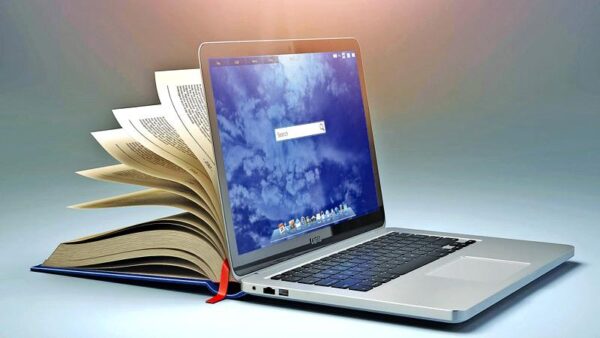
 As a result, many countries turned to implementing distance learning programs on a wide-scale. Even though online education was not accepted by both teachers and parents with open minds at the beginning, online education was the best alternative that they could turn to.
Despite challenges and setbacks, learning can continue through online platforms during the times of crisis. Fortunately, technology today offers a wide variety of methods to support distance education. Yet it should be decided what are the best combinations of interventions that are needed to transfer from paper-based approaches to online classrooms.
Education disrupted
According to UNICEF findings schoolchildren around the world have lost an estimated 1.8 trillion hours of in-person learning since the onset of the Covid-19 pandemic and subsequent lockdowns. As a result, young learners have been cut off from their education and the other vital benefits schools provide.
The reports say that every hour in the school is precious, and every child should be given the opportunity to go back to school. As countries return from an academic break, no effort should be spared to reopen schools, as schools are critical for children’s learning, safety, health and well-being.
However, during the extended periods of school closure, to keep the world’s children learning, countries have been implementing remote education programs. Yet many of the world’s children, particularly those in poorer households, do not have internet access, personal computers, TVs or even a radio at home, amplifying the effects of existing learning inequalities. Students lacking access to the technologies needed for home-based learning have limited means to continue their education. As a result, many face the risk of never returning to school, undoing years of progress made in education around the world.
With school closures across 188 countries (as of April 2020), many of them explored alternative ways to provide continuous education using technologies such as the internet, TV, and radio. However, access to these technologies is limited in many low and middle-income countries, especially among poor households.
 While more than 90 percent of the countries adopted digital and or broadcast remote learning policies, only 60 percent did so for pre-primary education. Policy measures taken by the governments to ensure learning continuity through broadcast or digital media allowed for potentially reaching 69 percent of schoolchildren (at maximum) in pre-primary to secondary education globally.
Thirty-one-percent of schoolchildren worldwide (463 million) could not be reached by the broadcast and internet based remote learning policies either due to the lack of technological assets at home, or because they were not targeted by the adopted policies. Online platforms were the most used means by the governments to deliver education while schools remain closed, with 83 percent of countries using this method. However, this allowed for potentially reaching only about a quarter of school children worldwide.
More popular television
It was also found that the television had the potential to reach the most students (62 percent) globally. However, only 16 percent of school children could be reached by radio-based learning worldwide. Globally, three out of four students who cannot be reached by the remote learning policies come from rural areas or belong to the poorest households.
Considering these data, it is important that countries should not rely on any single remote learning channel to reach all children. Additionally, expanding access to the Internet and other digital solutions for all children would be one key long-term priority to reduce learning vulnerabilities.
Sri Lanka’s response
 In Sri Lanka, urban schools were the first to take up online teaching while later more schools followed suit. Professor Emeritus of Sociology, University of Colombo, Professor Siri Hettige commenting on the adaption to online teaching said that relying on the internet and online platforms will not ensure inclusive and equitable education to all Lankan children.
“The authorities should have evaluated the implementation of online education before it was adopted. Once online education was adopted as the main mode of delivery, a feedback would have helped to identify issues and mitigate them. On the other hand, if adopted nationally for all grades, educational programs on the television would have been a much better alternative as the television is available in all parts of the country and is accessible to most households almost free,” Prof. Hettige said.
He said that well designed education programs could have easily been delivered to children without discrimination as Sri Lanka has the resources. “Well designed and nationally managed educational programs on television would have been more user -friendly and effective and most of all equitable.
So it would have certainly been a much better option. As we all know online education has not been accessible to many children in all parts of the country due to various reasons and obstacles. Since we have many TV channels in the country, resources would have been mobilised from diverse sources to have a comprehensive program reaching out to almost all the households. It should have also been welcomed by most parents,” Prof. Hettige added.
Department of Sociology, University of Colombo, Professor Iresha M. Lakshman also agreed on the point that television broadcasts have the potential to reach the majority of children. She added that a connection between the televised programs, students and the teacher should have been created via assigning homework based on the educational programs that are televised by their class teacher to reap out the maximum benefits of these programs.
 She said that the country should develop strategies that would be able to capture students’ attention. “Online classes were able to transfer the knowledge that children were missing during the closure of schools who otherwise would have been isolated and frustrated at home. However, school is not merely a place where you obtain knowledge.
There are co-values that are instilled in a child by being a member of the school community. Interacting with peers, emotional skills, extra-curricular activities, none of these is being addressed through online teaching. At present, Sri Lanka is in a unique and unfortunate situation where the mere transfer of knowledge has also been disrupted by Teacher Union actions,” Prof. Lakshman said.
She said that teachers should be better trained to take online lessons. “It was mostly on the job training for teachers. Overnight they had to transform from paper based methods to remote teaching. Teachers must be equipped with the knowledge and skills to make online teaching more appealing to students. Innovative ways would have been adopted to create a generation equipped with IT knowledge,” Prof. Lakshman said.
As the world will likely face more health crises in the future, the authorities should prioritise strengthening the resilience of education systems to mitigate the damages that can occur in the process of children’s learning. The country must build methods to deliver quality education to all children including the vulnerable and marginalised who are often forgotten and left out. Taking the lessons learned during the school closures, authorities should take steps to create comprehensive preparedness plans and develop strong national infrastructure to deliver quality education to all children.