
News & Community eLanka

eLanka

Saturday, 18 Jul 2026
  • Home
  • Read History
  • Articles
    • eLanka Journalists
  • Events
  • Useful links
    • Obituaries
    • Seeking to Contact
    • eLanka Newsletters
    • Weekly Events and Advertisements
    • eLanka Testimonials
    • Sri Lanka Newspapers
    • Sri Lanka TV LIVE
    • Sri Lanka Radio
    • eLanka Recepies
  • Gallery
  • Contact
Newsletter
Sri lankan news
  • eLanka Weddings
  • Property
  • eLanka Shop
  • Business Directory
eLankaeLanka
Font ResizerAa
Search
  • Home
  • Read History
  • Articles
    • eLanka Journalists
  • Events
  • Useful links
    • Obituaries
    • Seeking to Contact
    • eLanka Newsletters
    • Weekly Events and Advertisements
    • eLanka Testimonials
    • Sri Lanka Newspapers
    • Sri Lanka TV LIVE
    • Sri Lanka Radio
    • eLanka Recepies
  • Gallery
  • Contact
Follow US
© 2005 – 2026 eLanka Pty Ltd. All Rights Reserved.
Home » Goodnews Stories Srilankan Expats » Articles » FAULTY HEART BEAT – ARRYTHMIA  – By Dr. Gnana Sankaralingam
ArticlesDr. Gnana Sankaralingam

FAULTY HEART BEAT – ARRYTHMIA  – By Dr. Gnana Sankaralingam
eLanka admin
Last updated: September 11, 2024 4:24 am
By
eLanka admin
ByeLanka admin
Follow:
Share
9 Min Read
SHARE
Views: 37

FAULTY HEART BEAT – ARRYTHMIA  – By Dr. Gnana Sankaralingam

Dr. Gnana Sankaralingam

                       FAULTY HEART BEAT

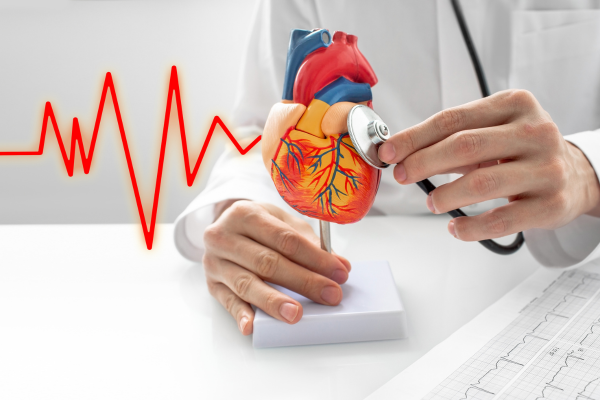
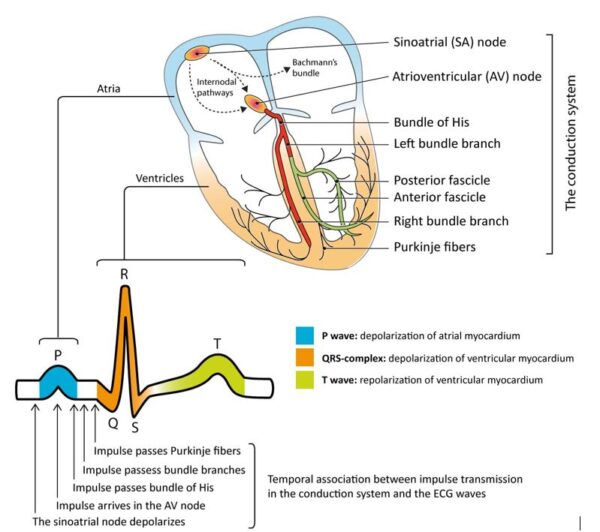
          It is electricity that makes the heart to beat. Heart has an inbuilt electrical system that ensures the orderly contraction of its two upper chambers, the atria which pump blood into the lower chambers the ventricles, which in turn contract and push out blood. All these take less than a second. Starting point for this is the natural pacemaker known as sino-atrial (SA) node, a collection of cells located in upper right atrium, whose activity is controlled by nerves from the brain: sympathetic to trigger it and parasympathetic acting as a brake. Both act to regulate the rhythm, so that heart contracts at 60 to 100 beats a minute.

                    SA node acts like a spark plug, spontaneously producing an electrical signal which it sends through a network of wires which are modified nerve cells, to all four chambers of the heart. Triggered by the SA node, muscle cells use the electricity to start the contraction process, producing the heart beat. Signals then travel to atrio-ventricular (AV) node, a small mass of muscular fibres between the four chambers of the heart, which forms the electrical link between the top and bottom chambers. Current then passes down through a bundle of muscle fibres and spreads rapidly to the muscles of both ventricles causing them to contract at the same time. AV node slows down the electrical signal which gives time for ventricles to be filled before contraction occurs. After a break of 0.5 secs, cycle starts again.

                  There are reasons why electrical signalling through the heart can go wrong such as issues with natural pacemaker (SA node), conduction problems with system of wiring which are specialised muscle cells, damage to the heart muscle that blocks the electrical signals to certain parts of the heart wall, chemical imbalances in the heart muscle cells which interfere with their battery function or malfunction of the nervous system controlling the heart beat. Most rhythm disorders are associated with ageing due to normal wear and tear, and also as a consequence of diseases affecting coronary arteries supplying heart muscles.

                 Faulty heart beat can be due to irregularity of rate: slow beats (Bradycardia) or fast (Tachycardia) or irregulaity in rhythm: fibrillation (atrial or ventricular), flutter (atrial) or skip beats, in which heart cannot pump adequate blood to the body. Impulses originate normally from SA node, and problems faced by it ending up in change of heart rate. Impulses can also originate from abnormal sites such as AV node, atrial wall and ventricular wall where it can affect both rate and rhythm. Heart disease could also affect conduction in fibres resulting in blocks. Symptoms include palpitations due to racing heart even at rest, shortness of breath, chest discomfort due to flutter or missed beat or dizziness and fainting attacks.

                 Most common entity is atrial fibrillation (AF), which causes fast chaotic heart beat, which tend to occur in those over 60, as well due to mital stenosis, thyrotoxicosis, ischaemic heart disease or hypertension. Here random electrical charge cause atria to quiver affecting ability of the heart to pump blood effectively. Most serious result of untreated AF is stroke, as feeble pumping action of heart allows blood to pool causing clots, which are shot to the brain, which is prevented by giving blood thinning medication in the treatment.

                 Other important irregularities are, supraventricular tachycardia (SVT), bradycardia, and ventricular fibrillation (VF). SVT leads to abnormally fast rate of 150 – 300 beats per min. which may last for minutes, hours or days. Its effects are temporary but unpleasant, usually caused by faulty electrical connections in the heart, may be linked to asthma drugs, alcohol or emotional upset. Bradycardia is where heart beats slower than 60 beats per min. usually starting in  SA node. It can be due to ageing, low thyroid function, imbalance of electrolytes such as high potassium or drugs such as beta-blockers. In heart block also heart beats slowly when electrical signal to make heart contract are partially or totally blocked, due to damage or scarring of the heart wall disrupting the conducting system, commonly due to ageing or following heart attack or heart surgery. VF is dangerous, and if not attended to immediately will be fatal, where the electrical rhythm becomes chaotic and the ventricles no longer beat effectively. It could be secondary to a heart attack or electorlyte disturbances.  

                  Medications like anti-arrythmics are the most common and first line in treatment of majority of heart beat problems as most of the abnormal rhythms respond to them. Beta blockers such as Atenolol, Bisoprolol and Metoprolol slow down the heart rate and calcium channel blockers such as Diltiazem act by reducing the amount of calcium which is needed by muscular lining of heart muscles to contract, entering cells of the heart. Interventional cardiology such as cardioversion, catheter ablation or implant of pacemaker or cardioverter may be necessary for serious types. Cardioversion is carried out under general anaesthesia which involves stopping the heart momentarily with an electric current, the shock making it to spontaneously revert back to normal heart rhythm, procedure taking around 20 minutes. Catheter ablation is where thin tubes are passed through arteries in wrist or groin, to block the pathways of faulty electrical signals using heat, radio frequency energy or extreme cold. Procedure may take 8 to 10 weeks to work, most of them needing second one.

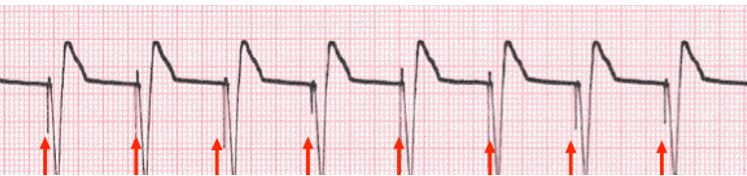
                  Pacemaker is a small electrical device about the size of a match box, placed under the skin near the collar bone on left side of the chest, connected by thin wires to a battery slipped beneath the skin of the shoulder. Typically they work on demand, detecting if your heart has nissed a beat and when it does, send out electrical signals through wires at steady rate to make the heart to contract and produce a beat. There are modern micro pacemakers size of rice grain, which are fitted into muscular wall of right atrium via a catheter, with no need for wiring, to a battery pack implanted under the skin. Cardioverter defibrillator (ICD) also implanted under the skin, send larger electrical shocks to the heart if it slows to such an extent that it is likely to go into cardiac arrest. Battery function records a vertical line in ECG tracing in both devices, that must be checked regularly and replaced if needed.

                  You should avoid certain things if you have this problem, such as intake of caffeine in large amounts either in coffee or in combination with adrenaline like substances in cold and flu medicine, strenuous exercises and roller coaster rides. Unfortunately many are not spotted and therefore treated, with significantly raised risk of stroke. Halter machine worn externally to record heart beat pattern for 24/7, detects any silent abnormality.            
Faulty Heart Beat - Arrythmia

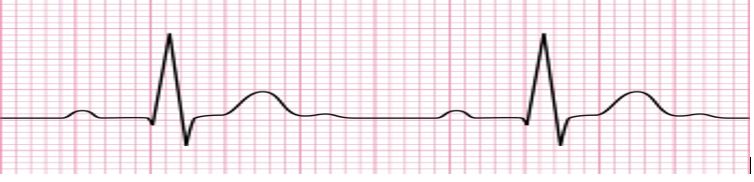
Normal Electrocardiographic Tracing


Red Arrows show Pacemaker Spikes

Click here to receive your free copy of the eLanka Newsletter twice a week delivered directly to your inbox!

TAGGED:Anti-arrhythmic medicationsArrhythmia causes and treatmentAtrial fibrillation (AF)Beta blockers for heart rate controlBradycardia and tachycardiaCardioversion treatmentCardioverter defibrillator (ICD)Catheter ablation procedureElectrical signals in heartFaulty heartbeatHeart rhythm disordersHeartbeat monitoring devicesMicro pacemaker technologyPacemaker heart treatmentPacemaker implantationSupraventricular tachycardia (SVT)Symptoms of heart arrhythmiaVentricular fibrillation (VF)
Share This Article
Facebook Whatsapp Whatsapp LinkedIn Email Copy Link Print
Previous Article Dugong Dugongs: The Gentle Giants of the Sea – By Bhanuka – eLanka
Next Article INTRODUCTION As of 2010, there were 45,159 Sri Lankans living in the US. Substantial immigration began in the 1990s when many fled the violence of the Sri Lankan Civil War. The majority of Sri Lankan-Americans live in the vicinity of either New York City (where there’s a Little Sri Lanka on Staten Island), central New Jersey, or Los Angeles. Good News From Jayam – By Jayam Rutnam
FacebookLike
YoutubeSubscribe
LinkedInFollow
- Advertisement -
Luxury Apartments & An Exclusive Duplex Penthouse for Sale in BAY ONE Residences Colombo-eLanka
- Advertisement -
eLankaproperty - sell property in Sri Lanka, Sri Lanka property for sale, Sri Lanka real estate, Sri Lanka property listings, property marketplace Sri Lanka, land for sale Sri Lanka, houses for sale Sri Lanka, apartments for sale Sri Lanka, commercial property Sri Lanka, luxury villas Sri Lanka, Sri Lankan property investment, buy property in Sri Lanka, Colombo property for sale, beachfront property Sri Lanka, development land Sri Lanka, investment property Sri Lanka, property advertising Sri Lanka, real estate agents Sri Lanka, property brokers Sri Lanka, overseas Sri Lankan property buyers, Sri Lanka property website, list property online Sri Lanka, affordable property listings Sri Lanka, Sri Lanka homes for sale, Sri Lanka land investment, property developers Sri Lanka, real estate marketplace Sri Lanka, Sri Lanka commercial real estate, sell land in Sri Lanka, sell house in Sri Lanka, Sri Lanka property portal, global property marketplace Sri Lanka, Sri Lankan real estate investment, property management Sri Lanka, buy land Sri Lanka, residential property Sri Lanka, holiday homes Sri Lanka, Sri Lanka investment opportunities, real estate advertising Sri Lanka, eLankaProperty
- Advertisement -
ALTAIR
- Advertisement -
Ad image
eLanka Wedding
Most Read
Colombo Port City Development Sri Lanka waterfront skyline

Colombo Port City Development: Shaping Sri Lanka’s Future as a Global Business and Lifestyle Destination – By Malsha – eLanka

Carrying LANKA Within You-eLanka

Leaving Lanka …. Carrying LANKA Within You

Data indicates Sri Lankan’s daily electricity usage insufficient to run an AC-By Arundathie Abeysinghe

Data indicates Sri Lankan’s daily electricity usage insufficient to run an AC-By Arundathie Abeysinghe

brad & kiara show

The Brad & Kiara Show

A Taste of Thailand in Bentleigh – A Labour of Love, Served with Heart-by Trevine Rodrigo

Related News
Articles Dr Harold Gunatillake

I’m curious—what were the reasons behind the Burghers leaving the country in the 1980s and before? Understanding their story can offer us some insightful perspectives-by Dr Harold Gunatillake

Taste of the World 2024
Articles

Hornsby Shire to showcase cultures from around the world at Taste of Harmony

Sri Lanka aviation growth 2026, Bandaranaike International Airport, BIA passenger traffic 2026, Sri Lanka airport news, Colombo airport arrivals, Sri Lanka tourism recovery 2026, international flights Sri Lanka, Sri Lanka tourism growth, AASL passenger statistics, Sri Lanka travel updates, Colombo airport expansion, aviation industry Sri Lanka, Sri Lanka international connectivity, Sri Lanka tourist arrivals 2026, Katunayake airport news, Sri Lanka travel industry, BIA aircraft movements, Sri Lankan Airlines growth, South Asia aviation hub, Sri Lanka tourism sector, global Sri Lankan community, Sri Lanka economic recovery, overseas Sri Lankans returning home, Sri Lanka infrastructure development
Articles

BIA Handles 4.7 Million Passengers in Strong First Half of 2026

Resilient Waves Programme Sri Lanka, Sri Lanka coastal conservation, coastal ecosystem restoration Sri Lanka, climate resilience Sri Lanka, Batticaloa fishing communities, Mullaitivu coastal development, sustainable fishing Sri Lanka, mangrove restoration Sri Lanka, marine biodiversity Sri Lanka, climate change adaptation Sri Lanka, ocean conservation Sri Lanka, Defra OCEAN programme Sri Lanka, UK funded environmental projects Sri Lanka, sustainable livelihoods Sri Lanka, fishing communities empowerment, Blue Resources Trust Sri Lanka, Biodiversity Sri Lanka, coastal protection initiatives Sri Lanka, nature based solutions Sri Lanka, sustainable aquaculture Sri Lanka
Articles

‘Resilient Waves’ Programme Launches to Boost Climate Resilience in Sri Lanka’s Coastal Communities

Nisala Foundation meditation hall expansion in Sri Lanka
Articles

A Sanctuary of Silence in Sri Lanka Is Calling on Australia for Help

  • Quick Links:
  • Articles
  • DESMOND KELLY
  • Dr Harold Gunatillake
  • English Videos
  • Sri Lanka
  • Sinhala Videos
  • eLanka Newsletters
  • Obituaries
  • Sunil Thenabadu
  • Dr. Harold Gunatillake
  • Tamil Videos
  • Trevine Rodrigo
  • Sinhala Movies
  • eLanka Newsletter
  • Photos

eLanka

Your Trusted Source for News & Community Stories: Stay connected with reliable updates, inspiring features, and breaking news. From politics and technology to culture, lifestyle, and events, eLanka brings you stories that matter — keeping you informed, engaged, and connected 24/7.
Kerrie road, Oatlands , NSW 2117 , Australia.
Email : info@eLanka.com.au / rasangivjes@gmail.com.
WhatsApp : +61402905275 / +94775882546
  • About eLanka
  • Terms & Conditions

Disclaimer:
eLanka is committed to sharing positive and community-focused stories. We do not publish or endorse political, religious, or ethnic viewpoints. The content published on eLanka, including articles and newsletters, reflects the opinions and views of the respective authors and not those of eLanka. eLanka accepts no responsibility or liability for the accuracy, completeness, or consequences of any content provided by contributors.

(c) 2005 – 2025 eLanka Pty Ltd. All Rights Reserved.