Saliva is like a gentle protector, keeping our mouths feeling nice and comfortable throughout the day-by Harold Gunatillake
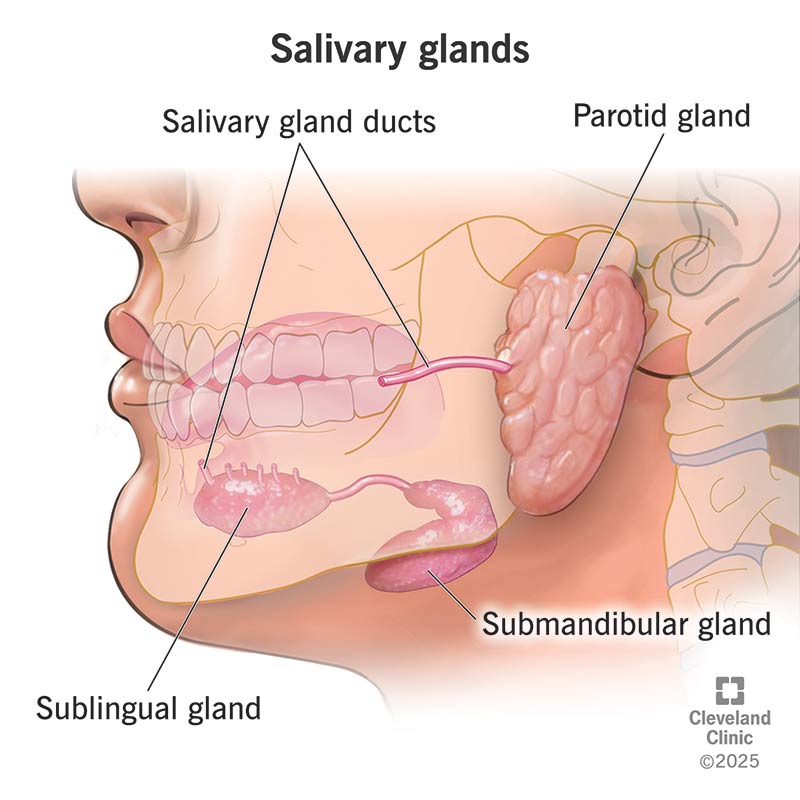
Image Source:Clevelandclinic
When your mouth feels dry, it’s a little signal that something might be going on. Sri Lankans should notice this subtle sign and not overlook it. Paying attention to our bodies helps us stay healthy and aware.
Your mouth produces saliva from three main pairs of glands, along with hundreds of tiny ones scattered around. The main pairs are the submandibular glands under your jaw, which secrete about 70% of your resting saliva—a mix of watery fluid and mucus. The parotid glands, the largest in your cheeks, produce roughly 23% of your saliva and mainly secrete watery fluid rich in salivary amylase. The third one is the sublingual gland, located under your tongue.
Dry mouth — or xerostomia — is one of those symptoms many Sri Lankans brush aside. A glass of water, a mint, a quick cup of tea, and we move on. But persistent dryness is more than a minor irritation. It can signal dehydration, diabetes, medication
side-effects, or even autoimmune disease. And in our hot climate, with rising rates of lifestyle-related illnesses, this small symptom deserves big attention.
Ever wonder why your mouth sometimes feels so dry? It can be uncomfortable, and that’s totally normal. Your saliva plays a key role in keeping your mouth moist and comfortable, but various factors, such as dehydration, certain medications, or mouth breathing, can reduce saliva production. Taking small steps like staying hydrated, avoiding alcohol and caffeine, and breathing through your nose can make a real difference. If dryness persists, it’s a good idea to consult a healthcare professional to determine the best solution for you.
Doctors often find that dehydration is one of the most common causes of dry mouth. Many of us enjoy drinking tea throughout the day, but we tend to drink very little water. When you add heat, sweating, and long hours outdoors, your salivary glands can slow down, worsening this issue. However, dehydration is just one part of the story.
Certain medications, especially those for blood pressure, allergies, depression, and asthma, can also reduce saliva production.
Additionally, with nearly 1 in 5 adults affected, diabetes often first becomes noticeable through a dry mouth before a diagnosis is made. Breathing through your mouth due to sinusitis or allergies
can also quickly dry out your mouth. Stress, which many people in modern Sri Lankan life experience, also tends to reduce saliva production. Lastly, smoking and alcohol can irritate and dehydrate your mouth, making you feel even more uncomfortable.
Autoimmune conditions such as Sjögren’s syndrome, although less common, can cause serious damage to salivary glands.
Why does this really matter more than you might realise
Saliva is your body’s natural defence. Without it, acids can build up, bacteria can multiply, and swallowing food may become more difficult. Many people with chronic dry mouth often face issues such as tooth decay, gum disease, bad breath, cracked lips, burning sensations, and oral thrush. Dentists across the island have reported that many older adults lose teeth not because of age, but due to untreated dry mouth.
Here’s what your doctor might look into during your check-up to help you feel more at ease and informed about the process.
A simple and caring evaluation typically includes:
- Blood sugar tests (like FBS and HbA1c) to check for diabetes
- Thyroid function tests
- Autoimmune markers if symptoms point to Sjögren’s Salivary gland ultrasound for blockages
Dental examination for decay or fungal infection Medication review to identify drugs causing dryness
These tests are a great way to find out what’s really going on, helping us get to the root of the problem instead of just addressing the surface issue.
Effective and Easy Solutions You Can Trust
Here’s some good news: most cases get better with just a few simple lifestyle tweaks. Make sure to drink 1.5–2 litres of water each day, and try to cut back on tea, coffee, and energy drinks.
Chewing sugar-free gum can also help stimulate saliva, and using
alcohol-free mouthwash can make a difference. Small changes can really help improve things!
Try to keep clear of smoking and alcohol to keep your health in good shape.
Enjoy delicious, juicy fruits like watermelon, oranges, and guava to brighten your day. Try to steer clear of very salty or spicy foods that might be harsh on your lips. Keep your lips nicely moisturised to stay comfortable. Using a humidifier or avoiding direct airflow from fans at night can help keep your lips and skin feeling their best.
For those experiencing persistent dryness, especially older adults or those taking multiple medications, local pharmacies now carry saliva substitutes, gels, and sprays that can help provide comfort.
Knowing when to seek medical advice is important for your well-being. Don’t hesitate to reach out to a healthcare professional if you’re unsure or if symptoms persist. Taking prompt action can make a difference and help you feel better sooner.
If your dry mouth sticks around for more than two weeks or if you notice white patches, trouble swallowing, joint pain, or dry eyes, don’t hesitate to see a doctor. These could be signs of conditions like diabetes, a fungal infection, or an autoimmune disease.
Taking care of it early can really make a difference!
A Warm Reminder
In a country where heat, stress, and lifestyle-related diseases are on the rise, dry mouth isn’t just a minor issue. It’s your body’s way of giving an early warning. So, listen to it. Taking a few simple steps now can help safeguard your teeth, boost your comfort, and support your long-term health.
I hope you find this article helpful and easy to follow whenever you have a question or face a problem.
End