In a significant stride towards social reintegration and national industrial development, the Sri Lankan Ministry of Industries has officially inaugurated a pioneering programme designed to facilitate the placement of rehabilitated individuals into permanent, high-value roles within the private sector. This initiative, which was formally announced on June 30, 2026, represents a sophisticated convergence of social welfare and economic pragmatism, aiming to provide a “second chance” to those who have successfully navigated the challenges of substance recovery and personal reform. By aligning the available human capital with the urgent requirements of the nation’s burgeoning industrial landscape, the government seeks to foster a more inclusive and resilient economy.
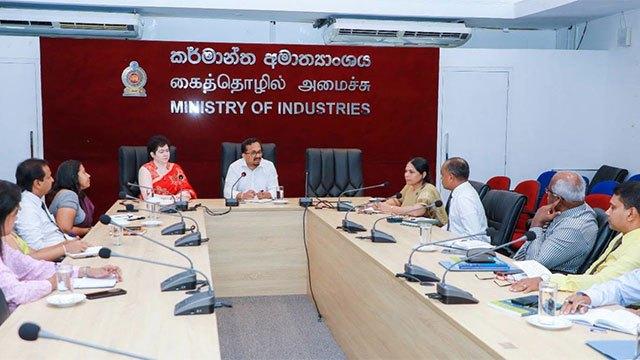
The programme is a collaborative masterstroke, involving a strategic partnership between several key institutional bodies. The Ministry of Industries has meticulously coordinated efforts with the National Dangerous Drugs Control Board (NDDCB), the Bureau of Rehabilitation, and the Tertiary and Vocational Education Commission (TVEC) to ensure that the transition from rehabilitation to professional employment is both seamless and sustainable. This multi-agency approach ensures that every participant is not only socially prepared for reintegration but is also equipped with the technical proficiencies required by modern industry standards.
A Robust Framework for Reintegration
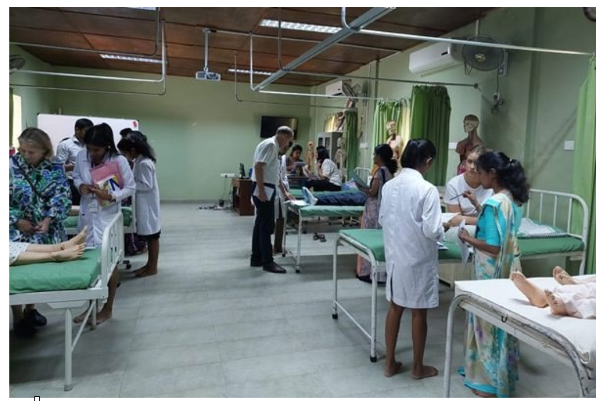
Central to this initiative is the impressive scale of its implementation. It is reported that approximately 10,000 rehabilitated youths have already completed a rigorous course of vocational training, effectively preparing them to enter a variety of skilled trades. This substantial cohort of trained individuals is the result of a steady and methodical rehabilitation process conducted across several specialised facilities. Centres located in Vavuniya, Senapura, and Kandakadu serve as the primary hubs for this transformation, where an average of 800 individuals are successfully rehabilitated annually.
The focus on these specific geographical locations highlights a commitment to nationwide development, ensuring that the benefits of the programme are distributed beyond the urban centres. By utilizing the facilities in Vavuniya, Senapura, and Kandakadu, the government is able to offer a structured environment where individuals can undergo physical and psychological recovery while simultaneously acquiring the vocational skills that are currently in high demand. These centres act as the bridge between a troubled past and a productive future, providing the necessary infrastructure for comprehensive personal and professional growth.
Addressing the Industrial Skills Gap
One of the most compelling aspects of this programme is its direct response to the persistent labour shortages currently experienced by the private sector. Industry leaders have long voiced concerns regarding a skills gap that has hindered the expansion of domestic production and services. The Ministry of Industries, under its current leadership, has identified this programme as a primary mechanism for filling these vacancies across several critical sectors.
The industries targeted for this reintegration effort are diverse and instrumental to the nation’s infrastructure. They include:
- Construction: Where the demand for skilled masonry, electrical work, and structural development remains at an all-time high.
- Tiles and Fittings: A sector that requires precise craftsmanship and technical knowledge to meet both domestic and export quality standards.
- Footwear and Leather Goods: An industry where traditional craftsmanship is being augmented by modern manufacturing techniques, creating a need for a dedicated and skilled workforce.
- Automobile Industry: A rapidly evolving sector that demands sophisticated mechanical skills and a thorough understanding of contemporary vehicle technology.

By directing rehabilitated youths towards these specific fields, the programme ensures that the training provided by the TVEC is immediately applicable and highly valued by employers. This alignment of supply and demand is expected to enhance the operational efficiency of private enterprises while simultaneously providing stable and lucrative career paths for the participants.
Institutional Support and Sustainable Success
The Bureau of Rehabilitation and the NDDCB play a vital role in the ongoing monitoring and support of these individuals as they transition into their new roles. It is understood that the success of such an ambitious undertaking depends not only on initial placement but on the long-term stability of the employment relationship. To this end, the programme includes mechanisms for continued mentorship and professional development, ensuring that both the employer and the employee are supported throughout the reintegration process.
Furthermore, the collaboration with the TVEC ensures that the vocational certificates awarded to the rehabilitated youths carry the weight of national recognition. This certification is instrumental in empowering these individuals, providing them with a formal qualification that validates their skills and enhances their long-term employability within the global Sri Lankan community’s broader economic sphere.

Promoting the Vision Through Community Connection
As Sri Lanka continues to navigate its path towards economic prosperity, the role of organisations like eLanka becomes increasingly important. We remain committed to sharing and celebrating these positive stories that highlight the innovation and resilience of our people. For businesses looking to engage with a dedicated workforce or for individuals seeking new opportunities, our platform serves as a vital digital hub.
Our Business Directory provides an essential space for enterprises within these key industries, such as construction and automotive, to showcase their services to a global audience. By supporting the local economy, we contribute to the success of programmes like this rehabilitation initiative, ultimately helping fellow Sri Lankans to be financially successful.
Moreover, for those members of the Sri Lankan community living abroad who wish to invest in their homeland or support local artisans, the eLanka Shop offers a range of products, including books and music, that celebrate our rich heritage. We also encourage our readers to explore eLanka Property for opportunities to sell or manage property in Sri Lanka, further strengthening the ties between the global community and the island nation.
For individuals seeking personal connections, our eLanka Weddings portal remains the premier destination for finding the perfect partner within the Sri Lankan community, whether they are based in Australia, the UK, or Sri Lanka itself.
Conclusion
The placement of 10,000 rehabilitated youths into the private sector is more than just an employment scheme; it is a profound statement of the nation’s values. It reflects an understanding that every individual possesses the potential for change and that, when provided with the right tools and opportunities, they can become instrumental in the nation’s progress. As these 800 individuals annually complete their journey through the centres in Vavuniya, Senapura, and Kandakadu, they enter a workforce that is ready to embrace their skills and support their growth.
At eLanka, we will continue to monitor the success of this programme and provide updates on its impact on the community and the industrial sector. We believe that by highlighting such initiatives, we can inspire further innovation and social consciousness across the global Sri Lankan community.
Source: https://www.adaderana.lk
This article was written based on the source https://www.adaderana.lk, kindly email us at info@eLanka.com.au if any information needs to be corrected.
At eLanka, we respect the rights of creators. If we have used an image you own and you’d like it removed, please email us at info@elanka.com.au and we’ll handle it promptly.