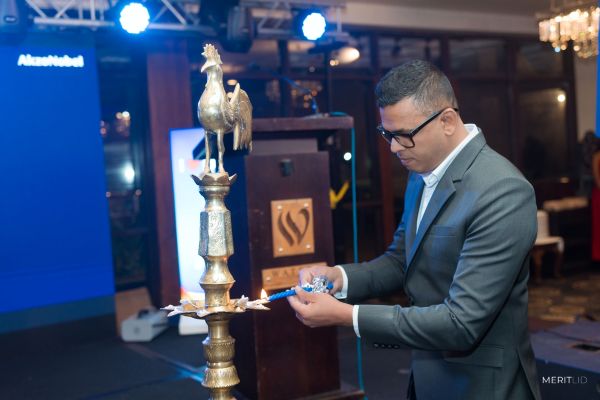
The landscape of public health in Sri Lanka reached a monumental milestone this week as the College of Community Physicians of Sri Lanka (CCPSL) convened to celebrate its centenary, marking one hundred years of institutional leadership and community-rooted health service. This prestigious event, held under the patronage of His Excellency the President of Sri Lanka, Anura Kumara Dissanayake, served as a profound reflection on a century of progress that has positioned the nation as a regional exemplar in primary healthcare and preventive medicine. The World Health Organization (WHO) joined the celebrations, underscoring the deep-seated partnership between international health bodies and the local community of physicians who have tirelessly fortified the nation’s health infrastructure since 1926.
The centenary proceedings were attended by a distinguished assembly of health administrators and state officials, including the Minister of Health and Mass Media, Dr Nalinda Jayatissa, the Secretary to the Ministry of Health, Dr Anil Jasinghe, and the Director General of Health Services (DGHS), Dr Asela Gunawardena. Their presence, alongside representatives from various United Nations agencies, highlighted the multi-sectoral importance of the public health sector in the contemporary governance of Sri Lanka. During the ceremony, the collective achievements of the past century were catalogued, ranging from the successful eradication of infectious diseases to the implementation of world-class maternal and child health programmes that remain the envy of many developing nations.
The Genesis of a Century: From Kalutara to the World
The historical origins of Sri Lanka’s public health success can be traced back to the landmark establishment of the Kalutara National Health Unit on 1 July 1926. This institution was not merely a local clinic but represented the first organised field health unit in the entirety of South Asia. It was designed to provide a comprehensive, balanced suite of preventive and curative services to a defined population, integrating medical officers, public health inspectors, and midwives into a cohesive community team. This pioneering model, supported in its infancy by the Rockefeller Foundation, became the blueprint for the primary healthcare systems that would eventually span the globe under the guidance of the World Health Organization.


As the CCPSL celebrates this centenary, it is essential to recognise that the “Kalutara Model” was instrumental in decentralising health services, ensuring that even the most remote villages had access to immunisation, sanitary oversight, and professional maternal care. This historical context provides the necessary perspective to appreciate how Sri Lanka achieved its high human development indicators despite being a lower-middle-income country for much of its modern history. The foresight shown by the early community physicians at Kalutara established a tradition of evidence-based, people-centred public health action that continues to define the national strategy today.
Addressing the Evolving Health Landscape
In his address to the centenary gathering, the WHO Representative to Sri Lanka, Dr Rajesh Sambhajirao Pandav, delivered remarks on behalf of the United Nations agencies and development partners. Dr Pandav remarked that while the past century was defined by the battle against communicable diseases and the establishment of robust maternal health frameworks, the next hundred years will demand an entirely different set of institutional responses. The rise of non-communicable diseases (NCDs), such as diabetes and cardiovascular conditions, is increasingly burdening the national health system, requiring a shift from acute care to long-term integrated wellbeing management.
Furthermore, the challenges of population ageing, mental health needs, and the emerging risks associated with climate change were identified as critical frontiers for the modern community physician. Dr Pandav emphasised that the next century calls for a “continued shift towards wellbeing, integrated care, stronger communities, and whole-of-society action.” This vision suggests that the role of the public health professional must evolve beyond the clinic and the laboratory, moving into the realms of urban planning, environmental advocacy, and social psychology to ensure the resilience of future generations.

The commitment of the Sri Lankan government to these evolving needs was echoed by the President and the Minister of Health, who reinforced the necessity of maintaining equitable access to services. In an era where healthcare costs are rising globally, the Sri Lankan model of free-at-the-point-of-delivery public health remains a cornerstone of social justice. The centenary celebration provided a platform for the launch of a new White Paper, which outlines the strategic future direction of community health services in Sri Lanka, ensuring that the legacy of the last hundred years is preserved through modern reform and innovation.
A Legacy of Community-Rooted Success
The success of the College of Community Physicians of Sri Lanka and the wider public health system is fundamentally rooted in its connection to the people. From the dedicated Public Health Midwives (PHMs) who visit homes in the hill country to the researchers at the National Institute of Health Sciences, the system is built on trust and accessibility. This community-rooted approach was particularly evident during the nation’s successful immunisation campaigns and its effective surveillance systems that have historically managed outbreaks with remarkable efficiency.
For the Global Sri Lankan community, these achievements are a source of immense pride. Many Sri Lankans living in Australia, Canada, and the United Kingdom began their professional journeys within this very health system, and its continued excellence remains a vital link to their heritage. Organisations like eLanka continue to serve as a bridge, sharing these positive stories of national achievement with expatriates who remain invested in the progress of their homeland. Whether through health advice provided by veteran physicians or updates on current events, the connection between health and community remains unbreakable.
Looking Toward the Next Century of Public Health
As the centenary celebration concluded at the Bandaranaike Memorial International Conference Hall, the focus remained firmly on the future. The integration of digital health technologies, the enhancement of primary healthcare teams, and a renewed focus on geriatric care are set to be the pillars of the next era. The CCPSL, under its current leadership, including President Dr Vindya Kumarapeli, remains committed to maintaining the high standards of evidence-based practice that have characterised the institution since its inception.
The collaboration between WHO and Sri Lankan health professionals serves as a testament to what can be achieved when global standards are applied with local cultural sensitivity. As health needs evolve, the spirit of the 1926 Kalutara unit, innovation, service, and community, will undoubtedly continue to guide the physicians of the next century. The celebration of 100 years is not merely a look back at the past, but a resolute step forward into a future where every Sri Lankan can enjoy a life of health, dignity, and wellbeing.

For more updates on community news and health-related articles, please visit the eLanka News section. We encourage our readers to stay informed about the latest developments in Sri Lankan healthcare and to participate in our vibrant digital hub.
Source: https://web.facebook.com/share/p/18Xf1SGX1n/ (WHO Sri Lanka)
This article was written based on the source https://web.facebook.com/share/p/18Xf1SGX1n/, kindly email us at info@eLanka.com.au if any information needs to be corrected.
At eLanka, we respect the rights of creators. If we have used an image you own and you’d like it removed, please email us at info@elanka.com.au and we’ll handle it promptly.