Sri Lanka will be no pushover against England, but batting consistency will be key.BY TREVINE RODRIGO IN MELBOURNE. (eLanka Sports Editor)

Sri Lanka’s tour to England for a three-match T20 and ODI series seems like a patronising privilege to be there after a considerable lapse.
It gives Kusal Mendis’s men enough incentive for them to step up and leave with special memories for that privilege.

Sri Lanka’s recent performances have suggested they have turned the corner under Gary Kirstan and the new direction could see a closer contest between them and their hosts.
England right now are on top of their game while Sri Lanka can be second to none on their day.
Sri Lanka’s recent downside over the past few years has been their batters, whose inconsistency has been glaringly evident.
The conditions in England will test Sri Lanka’s batters with seam and movement off the track known to trouble the best.
Sri Lanka have packed the squad with some talented players, and their bowlers will exploit the conditions ideal to the pace-spin attack that can unsettle England’s strong batting line-up.
Under an astute Kirstan, the mindset and application of Sri Lanka’s batting dilemmas could well have been addressed and behind them if the last fightback to save the second Test against India in Colombo is any indication.
But to stay competitive against the best teams, opportunities offered to the fringe teams need to be more regular.
The elitism that appears to have crept in among the upper ‘untouchables’ has made a once feared competitor now having to wait extended periods before being offered an invitation.
Observations from recent fixtures against India, Australia, England, South Africa and a few others suggests that playing ‘minnows’ is an unattractive option from a financially viable perspective involving sponsorship and marketing objectives that appears to override the opportunity to compete with all teams on a level playing field.
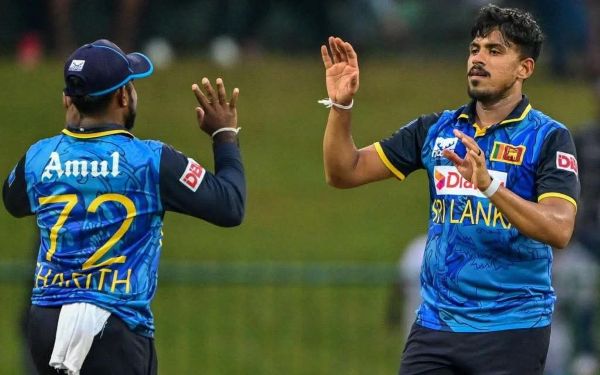
It is a sad indictment for ICC’S conflicting plans to expand the game on a global basis, unless the long term vision is to have different levels of competition and eliminate the current structure reserving it for the best much like Soccer, Rugby Union, Basketball and other such sports.
That model will not help the game especially with the limited following it currently generates in Test cricket, and its success is highly debatable.
The ICC and it’s close allies may not have the games best interest of long term gain with this vision they pursue until the involvement and close competition is established worldwide.
Arguably, the strategy could be revolutionary and successful but the risk it presents begs the question whether it is worth it. The fan following will be pivotal will ultimately reveal where cricket is heading. Only India, England and South Africa will have the interest in numbers to back a tiered system.
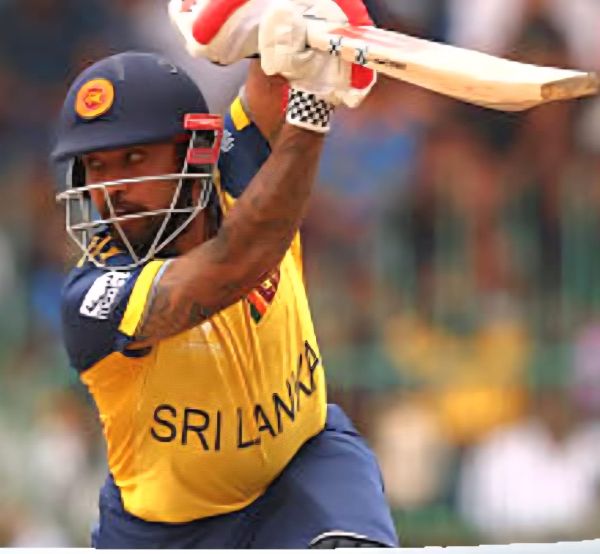
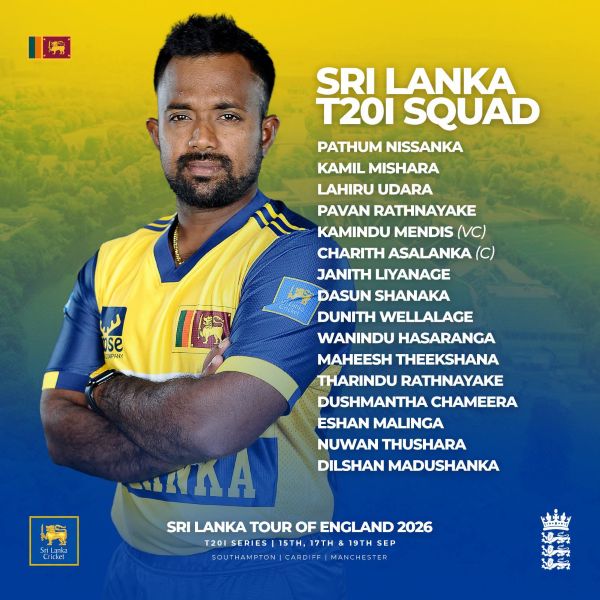
In a seemingly hurried fixture planned for the Sri Lankans, the current tough will begin with the first T20 game on September 16 in Southampton followed by games on September 18th in Cardiff and September 19th in Manchester.
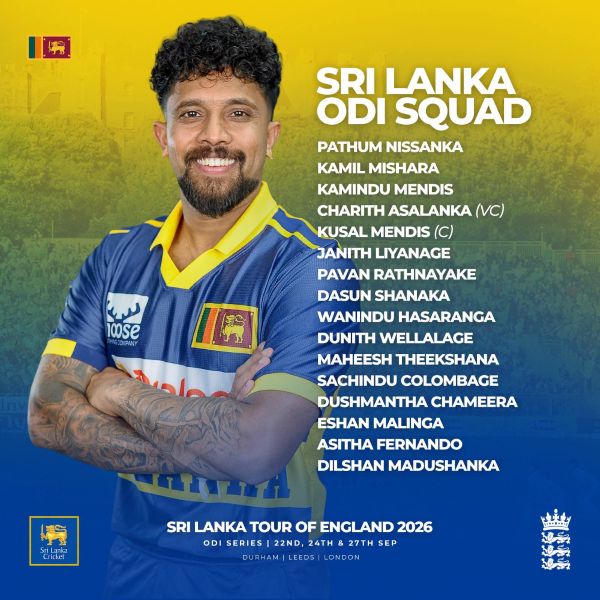
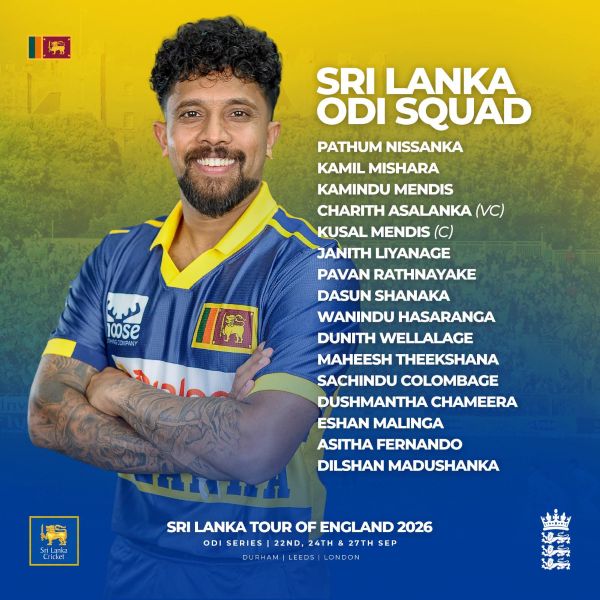
The ODI’s follows on September 22 in Chester-le-Street, 24th and 27th at Leeds and the Oval.
Kusal Mendis has been selected to lead both formats and discarded former skipper Charith Asalanka has deservedly been brought back as Mendis’s deputy in both forms of the game after being ignored for disciplinary reasons.