News & Community eLanka

eLanka

Sunday, 19 Jul 2026
  • Home
  • Read History
  • Articles
    • eLanka Journalists
  • Events
  • Useful links
    • Obituaries
    • Seeking to Contact
    • eLanka Newsletters
    • Weekly Events and Advertisements
    • eLanka Testimonials
    • Sri Lanka Newspapers
    • Sri Lanka TV LIVE
    • Sri Lanka Radio
    • eLanka Recepies
  • Gallery
  • Contact
Newsletter
Sri lankan news
  • eLanka Weddings
  • Property
  • eLanka Shop
  • Business Directory
eLankaeLanka
Font ResizerAa
Search
  • Home
  • Read History
  • Articles
    • eLanka Journalists
  • Events
  • Useful links
    • Obituaries
    • Seeking to Contact
    • eLanka Newsletters
    • Weekly Events and Advertisements
    • eLanka Testimonials
    • Sri Lanka Newspapers
    • Sri Lanka TV LIVE
    • Sri Lanka Radio
    • eLanka Recepies
  • Gallery
  • Contact
Follow US
© 2005 – 2026 eLanka Pty Ltd. All Rights Reserved.
Home » Goodnews Stories Srilankan Expats » Articles » The Majestic Silk Cotton Tree: A Giant of Nature and Cultural Icon – By Bhanuka – eLanka
ArticlesBhanuka Nuwan

The Majestic Silk Cotton Tree: A Giant of Nature and Cultural Icon – By Bhanuka – eLanka

eLanka admin
Last updated: October 22, 2024 11:29 am
By
eLanka admin
ByeLanka admin
Follow:
Share
8 Min Read
SHARE
Views: 70

The Majestic Silk Cotton Tree: A Giant of Nature and Cultural Icon – By Bhanuka – eLanka

Silk Cotton Tree

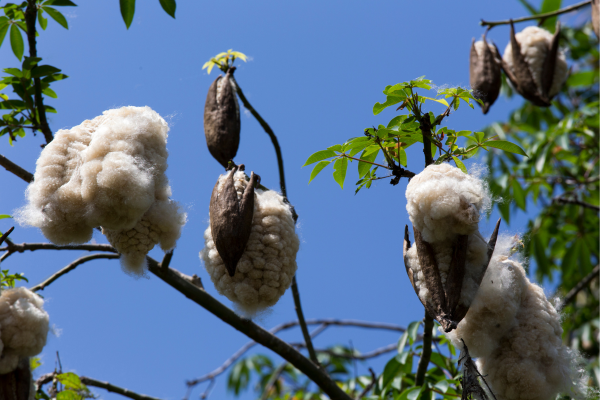
The Silk Cotton Tree (Ceiba pentandra), also known as the Kapok tree, stands as one of nature’s most magnificent creations. Towering over the landscape with its massive trunk, sprawling branches, and cotton-like seed pods, this tree is not only a botanical wonder but also a vital part of the ecosystems and cultures where it grows. Native to tropical regions, including parts of Asia, Africa, and the Americas, the Silk Cotton Tree has deep roots in history, symbolism, and everyday utility. In Sri Lanka, the tree is revered for its grandeur and unique contributions to local communities and wildlife.

A Towering Giant of Nature

The Silk Cotton Tree is one of the largest trees in the tropical world, growing up to 60-70 meters in height, with a trunk that can reach over three meters in diameter. Its sheer size is awe-inspiring, making it a standout feature of forests and urban landscapes alike. The tree’s buttress roots, which can extend outward like giant walls, provide stability and are often as visually striking as the trunk itself.

The tree’s most famous feature, however, is its seed pods, which release fluffy, cotton-like fibers that have earned it the name “Silk Cotton.” These fibers, also known as kapok, were historically used in various applications, from stuffing pillows and mattresses to providing buoyancy in life jackets.

Cultural and Spiritual Significance

The Silk Cotton Tree holds deep cultural and spiritual significance in many societies. In Sri Lanka, as well as in parts of Africa and the Caribbean, the tree is often considered sacred. Its massive size and long lifespan, sometimes lasting for centuries, have led many to associate it with strength, protection, and resilience.

In some cultures, the tree is believed to house spirits or be a place of communication with ancestors. The grandeur of the Silk Cotton Tree often makes it a focal point in religious ceremonies and traditional rituals. In rural areas, it’s not uncommon to see shrines or offerings placed at the base of a particularly ancient or majestic tree, symbolizing its revered status.

A Haven for Wildlife

The Silk Cotton Tree plays a crucial ecological role, providing food and shelter for a wide variety of species. Its large canopy offers shade and refuge for animals like monkeys, birds, and insects. During its flowering season, the tree attracts a range of pollinators, including bats and bees, which feed on its nectar and help in the pollination process.

The kapok fibers from the seed pods are also used by certain bird species to line their nests, while the seeds are a source of food for various animals. In many ways, the Silk Cotton Tree serves as a micro-ecosystem, supporting biodiversity and maintaining the health of its environment.

Economic and Medicinal Uses

The kapok fibers harvested from the Silk Cotton Tree have historically been used in the production of pillows, mattresses, and cushions due to their lightness and buoyancy. Although synthetic materials have largely replaced kapok in modern times, it is still used in eco-friendly products and traditional crafts. In some regions, the fibers are also used as insulation material or in the manufacture of life jackets because of their water-resistant properties.

In addition to its commercial uses, parts of the Silk Cotton Tree are valued in traditional medicine. Its bark, leaves, and seeds are believed to have medicinal properties and have been used in remedies for various ailments, including fever, digestive issues, and skin problems. The tree’s sap has also been used in folk medicine for treating wounds and infections.

Environmental Importance

Beyond its economic and cultural significance, the Silk Cotton Tree plays an important role in environmental sustainability. Its wide, leafy canopy helps sequester carbon dioxide, making it a valuable ally in the fight against climate change. Additionally, its extensive root system helps prevent soil erosion, especially in tropical regions where heavy rains can wash away fertile soil.

The tree’s resilience and adaptability also make it an important species in reforestation efforts. As deforestation continues to threaten tropical ecosystems, the preservation and cultivation of trees like the Silk Cotton Tree become critical for maintaining biodiversity and ensuring the health of the planet’s rainforests.

Challenges and Conservation

Despite its many benefits, the Silk Cotton Tree faces challenges due to deforestation, urbanization, and changes in agricultural practices. In many regions, ancient trees are being cut down to make way for farmland or urban development, reducing the population of these majestic giants.

Conservation efforts are underway in various parts of the world to protect the Silk Cotton Tree and its ecosystems. In Sri Lanka, there are initiatives to preserve sacred trees and ancient forests, recognizing the Silk Cotton Tree not only for its environmental importance but also for its cultural value. By promoting sustainable practices and raising awareness of the tree’s significance, these efforts aim to ensure that future generations will continue to benefit from the presence of the Silk Cotton Tree.

The Future of the Silk Cotton Tree

As the world becomes more aware of the importance of biodiversity and environmental sustainability, the Silk Cotton Tree stands as a symbol of resilience and renewal. Its towering presence and cultural heritage remind us of the deep connection between nature and human society.

The future of the Silk Cotton Tree depends on continued conservation efforts and a renewed appreciation for its role in our ecosystems and cultures. By protecting these trees, we not only safeguard a vital resource but also preserve a living testament to the beauty and power of nature.

In conclusion, the Silk Cotton Tree is much more than a towering giant—it is a vital part of the natural world, a cultural icon, and a symbol of sustainability. Whether admired for its majestic form, its ecological importance, or its contributions to traditional life, the Silk Cotton Tree remains one of nature’s most remarkable gifts.

Click here to receive your free copy of the eLanka Newsletter twice a week delivered directly to your inbox!

TAGGED:ancient trees in Sri Lankabenefits of Silk Cotton Treebiodiversity and treesCeiba pentandrakapok fibersKapok treekapok tree productslargest trees in the worldsacred treessacred trees in Sri LankaSilk Cotton TreeSilk Cotton Tree conservationSilk Cotton Tree cultural significanceSilk Cotton Tree environmental importanceSilk Cotton Tree habitatSilk Cotton Tree reforestationSilk Cotton Tree traditional medicineSilk Cotton Tree usesSilk Cotton Tree wildlifeSri Lankan treestropical trees
Share This Article
Facebook Whatsapp Whatsapp LinkedIn Email Copy Link Print
Previous Article Sleeping The Power of Sleep: Why Rest is Essential for Health, Productivity, and Well-being – By Nadeeka – eLanka
Next Article Pomegranate-eLanka Pomegranate: A Superfood with Ancient Roots-by Kalani-eLanka
FacebookLike
YoutubeSubscribe
LinkedInFollow
- Advertisement -
Luxury Apartments & An Exclusive Duplex Penthouse for Sale in BAY ONE Residences Colombo-eLanka
- Advertisement -
eLankaproperty - sell property in Sri Lanka, Sri Lanka property for sale, Sri Lanka real estate, Sri Lanka property listings, property marketplace Sri Lanka, land for sale Sri Lanka, houses for sale Sri Lanka, apartments for sale Sri Lanka, commercial property Sri Lanka, luxury villas Sri Lanka, Sri Lankan property investment, buy property in Sri Lanka, Colombo property for sale, beachfront property Sri Lanka, development land Sri Lanka, investment property Sri Lanka, property advertising Sri Lanka, real estate agents Sri Lanka, property brokers Sri Lanka, overseas Sri Lankan property buyers, Sri Lanka property website, list property online Sri Lanka, affordable property listings Sri Lanka, Sri Lanka homes for sale, Sri Lanka land investment, property developers Sri Lanka, real estate marketplace Sri Lanka, Sri Lanka commercial real estate, sell land in Sri Lanka, sell house in Sri Lanka, Sri Lanka property portal, global property marketplace Sri Lanka, Sri Lankan real estate investment, property management Sri Lanka, buy land Sri Lanka, residential property Sri Lanka, holiday homes Sri Lanka, Sri Lanka investment opportunities, real estate advertising Sri Lanka, eLankaProperty
- Advertisement -
ALTAIR
- Advertisement -
Ad image
eLanka Wedding
Most Read
Colombo Port City Development Sri Lanka waterfront skyline

Colombo Port City Development: Shaping Sri Lanka’s Future as a Global Business and Lifestyle Destination – By Malsha – eLanka

Carrying LANKA Within You-eLanka

Leaving Lanka …. Carrying LANKA Within You

Data indicates Sri Lankan’s daily electricity usage insufficient to run an AC-By Arundathie Abeysinghe

Data indicates Sri Lankan’s daily electricity usage insufficient to run an AC-By Arundathie Abeysinghe

brad & kiara show

The Brad & Kiara Show

A Taste of Thailand in Bentleigh – A Labour of Love, Served with Heart-by Trevine Rodrigo

Related News
Articles Dr Harold Gunatillake

I’m curious—what were the reasons behind the Burghers leaving the country in the 1980s and before? Understanding their story can offer us some insightful perspectives-by Dr Harold Gunatillake

Taste of the World 2024
Articles

Hornsby Shire to showcase cultures from around the world at Taste of Harmony

Sri Lanka aviation growth 2026, Bandaranaike International Airport, BIA passenger traffic 2026, Sri Lanka airport news, Colombo airport arrivals, Sri Lanka tourism recovery 2026, international flights Sri Lanka, Sri Lanka tourism growth, AASL passenger statistics, Sri Lanka travel updates, Colombo airport expansion, aviation industry Sri Lanka, Sri Lanka international connectivity, Sri Lanka tourist arrivals 2026, Katunayake airport news, Sri Lanka travel industry, BIA aircraft movements, Sri Lankan Airlines growth, South Asia aviation hub, Sri Lanka tourism sector, global Sri Lankan community, Sri Lanka economic recovery, overseas Sri Lankans returning home, Sri Lanka infrastructure development
Articles

BIA Handles 4.7 Million Passengers in Strong First Half of 2026

Resilient Waves Programme Sri Lanka, Sri Lanka coastal conservation, coastal ecosystem restoration Sri Lanka, climate resilience Sri Lanka, Batticaloa fishing communities, Mullaitivu coastal development, sustainable fishing Sri Lanka, mangrove restoration Sri Lanka, marine biodiversity Sri Lanka, climate change adaptation Sri Lanka, ocean conservation Sri Lanka, Defra OCEAN programme Sri Lanka, UK funded environmental projects Sri Lanka, sustainable livelihoods Sri Lanka, fishing communities empowerment, Blue Resources Trust Sri Lanka, Biodiversity Sri Lanka, coastal protection initiatives Sri Lanka, nature based solutions Sri Lanka, sustainable aquaculture Sri Lanka
Articles

‘Resilient Waves’ Programme Launches to Boost Climate Resilience in Sri Lanka’s Coastal Communities

Nisala Foundation meditation hall expansion in Sri Lanka
Articles

A Sanctuary of Silence in Sri Lanka Is Calling on Australia for Help

  • Quick Links:
  • Articles
  • DESMOND KELLY
  • Dr Harold Gunatillake
  • English Videos
  • Sri Lanka
  • Sinhala Videos
  • eLanka Newsletters
  • Obituaries
  • Sunil Thenabadu
  • Dr. Harold Gunatillake
  • Tamil Videos
  • Trevine Rodrigo
  • Sinhala Movies
  • eLanka Newsletter
  • Photos

eLanka

Your Trusted Source for News & Community Stories: Stay connected with reliable updates, inspiring features, and breaking news. From politics and technology to culture, lifestyle, and events, eLanka brings you stories that matter — keeping you informed, engaged, and connected 24/7.
Kerrie road, Oatlands , NSW 2117 , Australia.
Email : info@eLanka.com.au / rasangivjes@gmail.com.
WhatsApp : +61402905275 / +94775882546
  • About eLanka
  • Terms & Conditions

Disclaimer:
eLanka is committed to sharing positive and community-focused stories. We do not publish or endorse political, religious, or ethnic viewpoints. The content published on eLanka, including articles and newsletters, reflects the opinions and views of the respective authors and not those of eLanka. eLanka accepts no responsibility or liability for the accuracy, completeness, or consequences of any content provided by contributors.

(c) 2005 – 2025 eLanka Pty Ltd. All Rights Reserved.