News & Community eLanka

eLanka

Tuesday, 9 Jun 2026
  • Home
  • Read History
  • Articles
    • eLanka Journalists
  • Events
  • Useful links
    • Obituaries
    • Seeking to Contact
    • eLanka Newsletters
    • Weekly Events and Advertisements
    • eLanka Testimonials
    • Sri Lanka Newspapers
    • Sri Lanka TV LIVE
    • Sri Lanka Radio
    • eLanka Recepies
  • Gallery
  • Contact
Newsletter
Sri lankan news
  • eLanka Weddings
  • Property
  • eLanka Shop
  • Business Directory
eLankaeLanka
Font ResizerAa
Search
  • Home
  • Read History
  • Articles
    • eLanka Journalists
  • Events
  • Useful links
    • Obituaries
    • Seeking to Contact
    • eLanka Newsletters
    • Weekly Events and Advertisements
    • eLanka Testimonials
    • Sri Lanka Newspapers
    • Sri Lanka TV LIVE
    • Sri Lanka Radio
    • eLanka Recepies
  • Gallery
  • Contact
Follow US
© 2005 – 2026 eLanka Pty Ltd. All Rights Reserved.
Home » Goodnews Stories Srilankan Expats » Articles » The Enigmatic Nepenthes: Sri Lanka’s Mesmerizing “Badura” Plant – By Nadeeka – eLanka
ArticlesNadeeka Kumari

The Enigmatic Nepenthes: Sri Lanka’s Mesmerizing “Badura” Plant – By Nadeeka – eLanka

eLanka admin
Last updated: November 9, 2024 1:17 pm
By
eLanka admin
ByeLanka admin
Follow:
Share
4 Min Read
SHARE
Views: 41

The Enigmatic Nepenthes: Sri Lanka’s Mesmerizing “Badura” Plant – By Nadeeka – eLanka

Badura

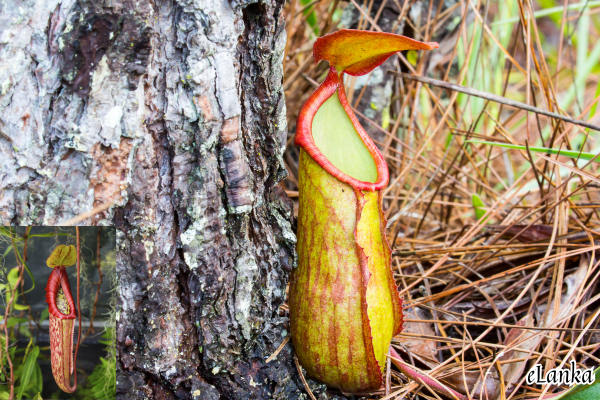
The Nepenthes, locally known as “Badura” in Sri Lanka, is one of nature’s most fascinating creations. This carnivorous plant, revered for its unique pitcher-like structure, thrives in the tropical landscapes of Sri Lanka, capturing the imagination of botanists and nature enthusiasts alike. Let’s delve into the mysteries of this extraordinary plant and discover what makes it so remarkable.

A Carnivorous Wonder of Nature

Nepenthes belongs to a genus of carnivorous plants widely known as pitcher plants. Unlike conventional flora, these plants derive essential nutrients by trapping and digesting insects and other small organisms. The plant’s pitchers, which are actually modified leaves, serve as traps. These pitcher-shaped structures are filled with a digestive liquid that breaks down the prey, allowing the plant to absorb nutrients like nitrogen and phosphorus.

Native Habitats and Distribution

In Sri Lanka, Nepenthes thrives in specific ecological niches, such as wet lowland forests and montane regions. The plant favors acidic and nutrient-poor soils, making it a remarkable example of adaptation. These environments are predominantly found in areas like Sinharaja Forest Reserve and Knuckles Mountain Range.

Physical Characteristics

The Nepenthes plant is instantly recognizable by its stunning pitchers. These vibrant structures come in a variety of colors, ranging from green and yellow to deep reds and purples, often adorned with intricate patterns. The slippery inner walls of the pitcher prevent trapped prey from escaping, ensuring the plant receives its much-needed nutrients.

Cultural Significance in Sri Lanka

The Badura plant holds a special place in the biodiversity of Sri Lanka. Although it does not have a direct medicinal or culinary use, it plays a significant role in maintaining ecological balance by regulating insect populations. Furthermore, its captivating appearance makes it a popular subject in photography and botanical studies.

Threats and Conservation

Despite its remarkable adaptability, the Nepenthes plant faces several threats, primarily due to habitat loss caused by deforestation and agricultural expansion. Overcollection for ornamental purposes and illegal poaching also pose significant risks. Conservation efforts are crucial to preserving these plants, which are not only ecologically important but also an integral part of Sri Lanka’s natural heritage.

Fun Facts About Nepenthes (Badura)

  1. Insect Buffet: While it primarily feeds on insects, some larger Nepenthes species have been known to trap small vertebrates like frogs and mice.
  2. Natural Pest Control: Nepenthes plants can help reduce mosquito populations, acting as natural pest controllers in their habitats.
  3. Symbiotic Relationships: Some animals, such as tree shrews and bats, use the pitchers as a source of water or shelter, forming a mutualistic bond.

Protecting the Marvels of Nature

The Nepenthes, or Badura, is a striking reminder of nature’s ingenuity. Its carnivorous tendencies, coupled with its captivating appearance, make it one of the most extraordinary plants on Earth. To preserve these wonders for future generations, it is imperative to support conservation initiatives and promote sustainable practices in areas where these plants are found.

Click here to receive your free copy of the eLanka Newsletter twice a week delivered directly to your inbox!

TAGGED:Badura flowerCarnivorous plants in Sri LankaNepenthes conservationNepenthes plant in Sri LankaSri Lanka biodiversity
Share This Article
Facebook Whatsapp Whatsapp LinkedIn Email Copy Link Print
Previous Article lubber pandhu tamil full movie lubber pandhu tamil full movie
Next Article Dragonflies The Dragonfly (Batkura): Nature’s Aerial Acrobat and Ecosystem Guardian – By Bhanuka – eLanka
FacebookLike
YoutubeSubscribe
LinkedInFollow
eLanka Wedding
- Advertisement -
Ad image
Most Read
COENZYME Q10

COENZYME Q10 (CoQ10): Is it something Sri Lankans should think about taking?-by Harold Gunatillake

Congratulations to Ahmed ASH Hussain an Ex-Muscateer domiciled in Seattle USA on June 5 2026 who was recognized of his achievements a year later.

Congratulations to Ahmed ASH Hussain an Ex-Muscateer domiciled in Seattle USA on June 5 2026 who was recognized of his achievements a year later.

The Age of AI Demands New Models for Soft Power and Public Diplomacy - By Naren Chitty

The Age of AI Demands New Models for Soft Power and Public Diplomacy – By Naren Chitty

The Milieu of the 17th Century Coromandel Coast and Chetty Migrants to Dutch Zeylan - By Naren Chitty

The Milieu of the 17th Century Coromandel Coast and Chetty Migrants to Dutch Zeylan – By Naren Chitty

British Ceylon Through A Family Lens 1850-1950

British Ceylon Through A Family Lens 1850-1950 – By Prof Naren Chitty

Related News
Sri Lanka Tea day , Sri Lanka Tea day in Abu Dhabi , Dr Arusha Cooray
Articles

Sri Lanka Tea day in Abu Dhabi – Organised by Dr Arusha Cooray – Sri Lanka’s Ambassador to the United Arab Emirates

Bananas , High Blood Pressure , Health Benefits of Bananas
Articles

Go Bananas! 10 Amazing Health Benefits of Nature’s Golden Snack

Sri Lanka remittances 2026
Articles

Workers’ Remittances Surge to $847 Million in May 2026

ICC Men’s Cricket World Cup League 2 , One Day International , Sri Lankan Community
Articles

Shehan Jayasuriya Shines: Former Sri Lankan Star Leads USA to Victory with Record Century

EU Support , Green Reporting, Sri Lanka Business news, Sustainability Sri Lanka
Articles

Going Green: EU Supports Launch of Sri Lanka’s New National Green Reporting Guidelines

  • Quick Links:
  • Articles
  • DESMOND KELLY
  • Dr Harold Gunatillake
  • English Videos
  • Sri Lanka
  • Sinhala Videos
  • eLanka Newsletters
  • Obituaries
  • Sunil Thenabadu
  • Dr. Harold Gunatillake
  • Tamil Videos
  • Sinhala Movies
  • Trevine Rodrigo
  • eLanka Newsletter
  • Photos

eLanka

Your Trusted Source for News & Community Stories: Stay connected with reliable updates, inspiring features, and breaking news. From politics and technology to culture, lifestyle, and events, eLanka brings you stories that matter — keeping you informed, engaged, and connected 24/7.
Kerrie road, Oatlands , NSW 2117 , Australia.
Email : info@eLanka.com.au / rasangivjes@gmail.com.
WhatsApp : +61402905275 / +94775882546
  • About eLanka
  • Terms & Conditions

Disclaimer:
eLanka is committed to sharing positive and community-focused stories. We do not publish or endorse political, religious, or ethnic viewpoints. The content published on eLanka, including articles and newsletters, reflects the opinions and views of the respective authors and not those of eLanka. eLanka accepts no responsibility or liability for the accuracy, completeness, or consequences of any content provided by contributors.

(c) 2005 – 2025 eLanka Pty Ltd. All Rights Reserved.