Sri Lanka welcomed 113,307 tourists during the first 16 days of August 2026, according to the latest figures released by the Sri Lanka Tourism Development Authority (SLTDA), providing a positive indication of continued international interest in the island’s cultural heritage, beaches, wildlife, hill country and distinctive hospitality.
The figures, published on 19 August 2026, offer a useful snapshot of visitor activity during the opening weeks of the month, while also demonstrating the importance of Sri Lanka’s principal international travel markets. India remained the leading source of visitors during this period, with 25,355 Indian nationals arriving in Sri Lanka, representing approximately 22 per cent of the total arrivals.
The United Kingdom contributed a further 12,738 visitors, while 8,106 tourists arrived from France, illustrating the broad geographical reach of Sri Lanka’s tourism appeal and the continuing relevance of both regional and European markets.
India remains an important source of visitors
India’s position as the leading source market during the first 16 days of August reflects the close geographical, cultural and commercial links between the two countries. Sri Lanka’s relatively short travel distance from India, together with established air connections and shared historical traditions, makes the island an accessible destination for Indian travellers seeking cultural experiences, coastal holidays, wellness retreats and short breaks.
The Indian market also includes a wide range of visitors, from families and leisure travellers to business visitors, religious pilgrims and guests participating in weddings, conferences and other organised events. This diversity can be valuable to tourism businesses because it enables demand to be distributed across different seasons, destinations and accommodation categories.
For Sri Lankan expatriates living in Australia, the United Kingdom, Canada, New Zealand, the United States and elsewhere, the figures also reinforce the opportunity to encourage friends, colleagues and extended family members to consider Sri Lanka when planning an overseas holiday. A visit can combine time with relatives and friends with an itinerary covering ancient cities, national parks, beaches, tea plantations and the island’s many culinary traditions.
United Kingdom and France contribute strongly
The United Kingdom recorded 12,738 arrivals during the first 16 days of August, while France accounted for 8,106 visitors. Both markets are significant for Sri Lanka because they include travellers who often seek longer, varied itineraries rather than a single-location holiday.
A typical visit may include several contrasting experiences: an arrival in Colombo, a journey towards the Cultural Triangle, time in Kandy or the central highlands, a wildlife excursion, and several days along the southern or eastern coast. This pattern allows tourism income to reach a range of businesses, including hotels, restaurants, transport operators, national park guides, cultural interpreters, craft retailers and small enterprises in rural communities.
Sri Lanka’s strength lies partly in the concentration of experiences available within a relatively compact geographical area. Ancient sites, beaches, forests, mountains, religious landmarks and tea-growing districts can be reached within one country and incorporated into a single holiday. Such variety gives travel planners considerable flexibility, while allowing visitors to design journeys that suit different budgets, interests and available time.

Year-to-date arrivals reach 1,456,725
The latest figures bring Sri Lanka’s total tourist arrivals from 1 January to 16 August 2026 to 1,456,725. India continued to lead the year-to-date figures, contributing 363,585 arrivals, while the United Kingdom accounted for 143,139 visitors.
These totals provide a broader context for the August figures, showing that visitor activity has been sustained across the year rather than being limited to one particular period. The data also confirms the continuing importance of maintaining strong relationships with established source markets while presenting Sri Lanka to new groups of international visitors.
For the Sri Lankan tourism sector, reliable visitor numbers are important because planning decisions are often made months in advance. Hotels need to manage staffing, food supplies and room availability; tour companies must coordinate vehicles and guides; restaurants need to plan purchasing and service capacity; and attractions require suitable visitor facilities and responsible management.
The value of tourism is therefore not confined to airport arrivals or hotel occupancy. It extends across a network of services that support each stage of the visitor experience.
Benefits for hotels and accommodation providers
Hotels, boutique properties, guesthouses, villas and homestays are among the most visible beneficiaries of international tourism. Visitors require accommodation in Colombo, Kandy, Sigiriya, Nuwara Eliya, Ella, Galle, Bentota, Mirissa, Yala and many other destinations, with different travellers seeking different standards, locations and styles of hospitality.
Larger hotels provide employment in reception, housekeeping, food preparation, maintenance, administration and event management. Smaller properties can offer a more personal experience, frequently drawing upon local knowledge and regional cuisine. When visitors stay for several nights in different parts of the island, the benefits of tourism can be distributed beyond the major urban centres and established resort areas.
The figures also underline the importance of quality, consistency and professionalism. A welcoming arrival, clean accommodation, responsible service and accurate local information can influence how visitors remember Sri Lanka and whether they recommend it to others.
Opportunities for restaurants, guides and transport providers
Tourism creates practical opportunities for restaurants, cafés, caterers, private drivers, public transport operators, tuk-tuk providers and specialist travel companies. Every itinerary requires movement between destinations, while visitors naturally seek meals, refreshments and authentic local experiences during their stay.
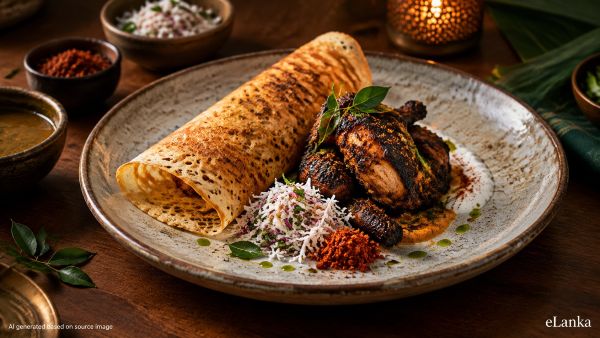
Tour guides are particularly important because they connect visitors with the meaning behind Sri Lanka’s historic and natural attractions. A well-informed guide can explain the significance of an ancient reservoir, describe the architectural details of a temple, identify wildlife in a national park or introduce visitors to the traditions behind a regional dish.
Transport providers also play an instrumental role in shaping the visitor experience. Reliable airport transfers, comfortable vehicles and knowledgeable drivers can make multi-destination travel more convenient, particularly for families and international visitors unfamiliar with local roads and travel times.
For Sri Lankan-owned businesses in Australia and other countries, tourism presents an opportunity to promote the island through trusted personal networks. A restaurant owner, travel consultant, community leader or professional association can help visitors find reputable accommodation, guides and transport services, while encouraging travel that supports local enterprises.

Local communities remain central to tourism
The most enduring tourism development is one that includes local communities and recognises the value of the people, traditions and environments that visitors come to experience. Farmers, artisans, boat operators, food producers, cultural performers and small retailers can all participate in the visitor economy when suitable opportunities and fair connections are established.
Community participation also strengthens the authenticity of the travel experience. Visitors are increasingly interested in regional food, traditional crafts, village life, conservation projects and locally guided excursions, rather than limiting their journeys to large commercial properties.
Sri Lanka’s natural and cultural attractions must, however, be protected carefully. Responsible tourism requires respect for historic sites, wildlife habitats, coastal areas and community life. Visitors and operators share a responsibility to minimise waste, follow local regulations, respect religious customs and support conservation.
The continued arrival of international visitors provides an opportunity to strengthen these standards further, ensuring that tourism growth is accompanied by better service, improved visitor education and greater value for communities.
A welcoming destination for international travellers
The latest SLTDA figures offer encouragement to Sri Lanka’s tourism industry and to the many people whose livelihoods are connected to travel. They also provide a timely reminder of the island’s ability to appeal to visitors from neighbouring countries as well as established markets in Europe.
For Sri Lankans living overseas, the figures carry a particularly personal significance. Tourism can help family members reconnect with their homeland, introduce younger generations to their heritage and allow international friends to experience Sri Lanka’s hospitality, landscapes and history.
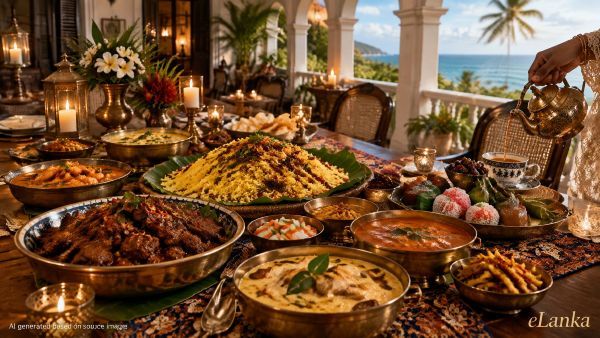
With its combination of ancient civilisation, scenic rail journeys, tropical coastlines, wildlife, tea country and diverse cuisine, Sri Lanka remains well placed to welcome visitors seeking a rich and varied holiday. The challenge for the sector is to convert interest into memorable, responsible and well-managed travel experiences that benefit businesses and communities throughout the island.
For travel information and official tourism resources, visitors can consult the Sri Lanka Tourism Development Authority and Sri Lanka Tourism. Readers may also explore eLanka’s Business Directory when looking for Sri Lankan businesses and services, as well as the eLanka travel feature, Bittersweet Memories of Good Old Holidays in Sri Lanka.
Source: https://www.newscenter.lk/articles/tourist-arrivals-top-113-000-in-august
This article was written based on the source https://www.newscenter.lk/articles/tourist-arrivals-top-113-000-in-august, kindly email us at info@eLanka.com.au if any information needs to be corrected.
(adsbygoogle = window.adsbygoogle || []).push({});