Ever wondered how many hours a Sri Lankan needs to sleep per night? – By Dr Harold Gunatillake
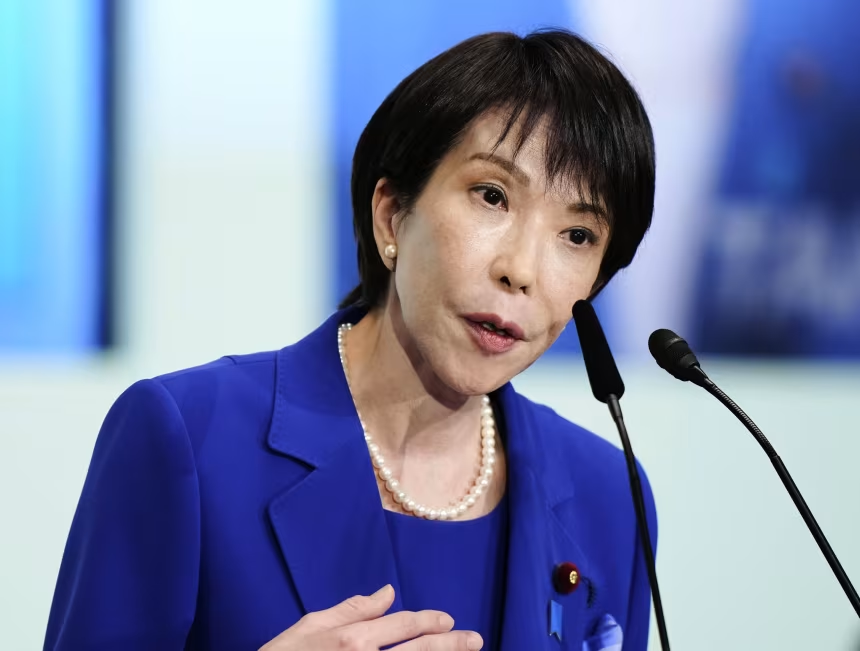
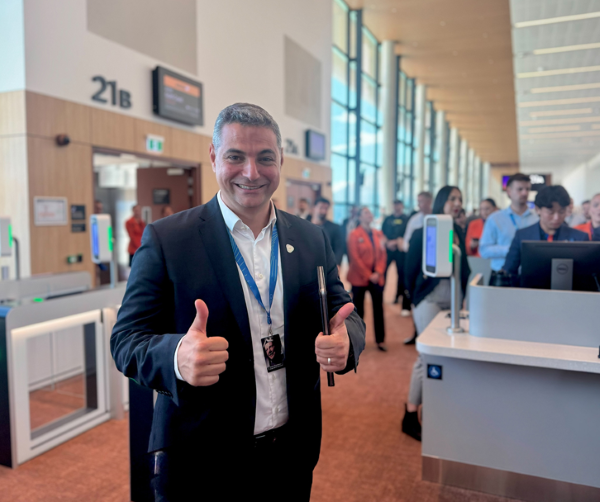
Sanae Takaichi, the new leader of Japan’s governing Liberal Democratic Party (LDP), says she sleeps only 2 hours a day.
Image Source : edition.cnn.com
It is a compelling question that varies among individuals; however, analysing overarching trends can be pretty enlightening.
In Sri Lanka, there’s a charming little story that says if they ever land on the moon, they’ll celebrate by sleeping for a whole 24 hours, since it’s a non-working day there. It’s a fun and lighthearted way to see how folks in Sri Lanka view special days!
Besides the Sri Lankan stories about the moon, this is an inquiry that individuals continually strive to comprehend; however, there is no satisfactory answer, akin to the dilemma of drinking water.
The subject has arisen because Japan’s Prime Minister states she sleeps only two hours per night.
Let us focus on leaders and recognised individuals rather than on ordinary gardeners.
It is a fact that children and adolescents require more sleep than individuals aged sixty and above. Most of the wear and tear, daily maintenance, and developmental processes occur during the night, when individuals are fasting and sleeping. This explains why one may become alarmed when blood pressure increases uncontrollably at night. Additionally, blood sugar levels tend to rise to supply energy to the body’s active systems.
Margaret Thatcher, the Iron Lady; President Donald Trump; Barack Obama; and Bill Clinton are supposed to do their presidential duties and need only four hours of sleep, and are fit enough the next day, as usual, without feeling exhausted. I recall that Professor Weeramantry, a Professor of Law at Monash University in Victoria and later Judge of the International Court of Justice in The Hague, would stay with us during his visits to Sydney. On one occasion, I mentioned to him, “Sir, your lights are on quite frequently during the night.” He replied, “Yes, I write books and require only four hours of sleep.”
A 2018 Australian study of federal politicians and other parliamentary staff found that half weren’t getting enough sleep, with some sleeping as little as 3.5 hours per night.
This pattern is not confined solely to the realm of politics. American billionaire Martha Stewart, for instance, reportedly built her lifestyle empire on only 3 hours of sleep per night. Business leaders such as Twitter co-founder Jack Dorsey have also disclosed that they frequently do not allocate significant time for rest.
Albert Einstein reportedly slept for 10 hours each night, complemented by regular daytime naps. Other eminent achievers, inventors, and thinkers—such as Nikola Tesla, Thomas Jefferson, Thomas Edison, Winston Churchill, Leonardo da Vinci, and Sir Isaac Newton—are said to have slept between two and four hours daily.
Billionaire Elon Musk Reveals Why He Doesn’t Sleep Beyond Six Hours A Night.
Is it accurate to say that, historically, humans have experienced a divided sleep pattern consisting of two distinct phases: first sleep and second sleep?
Indeed, the evidence supporting this is extensive. Historically, from time immemorial up to the nineteenth century, the prevalent sleep pattern in Western societies was biphasic. Most preindustrial households retired between 9 and 10 pm, slept for approximately three to three and a half hours during their “first sleep,” then awakened after midnight for about an hour, during which they engaged in various activities before returning to a “second sleep” that lasted until dawn.
Despite assertions in different research papers that most individuals need more than 6 hours of continuous sleep, many people require significantly less and still feel refreshed the following day.
Most of them do have a short afternoon siesta to make up for it.
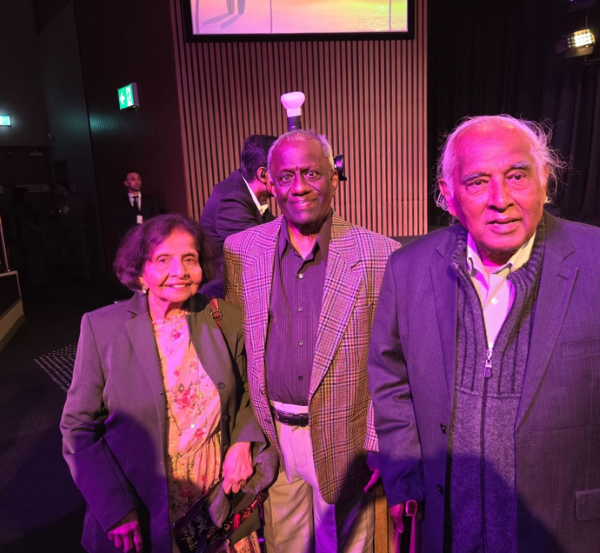
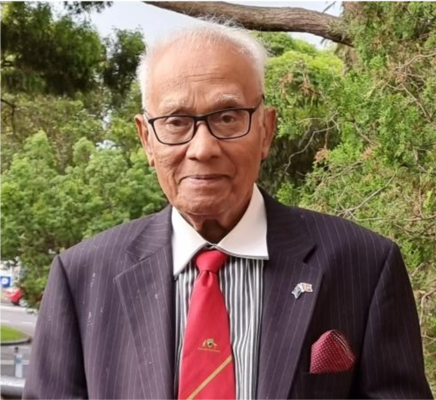
As his close friends know, the author of this article often walks along the long balcony from 2 to 5 am. He’s been sleeping about four hours a night for the past five years and is now 97 years old.
Despite having a busy day, I enjoy spending a reasonable amount of time tending the vegetable plot, writing articles, working on YouTube, and more.
I believe that it is primarily a matter of mental determination. When one is conditioned to engage in positive behaviours, particularly concerning health- such as managing diabetes with insulin, addressing hypertension, and preventing non-clinical coronary heart disease- taking appropriate actions to revert to a healthier state is essential. This can include intermittent walking during both day and night, even if it compromises one’s usual sleep patterns.
Hope you enjoyed this brief article