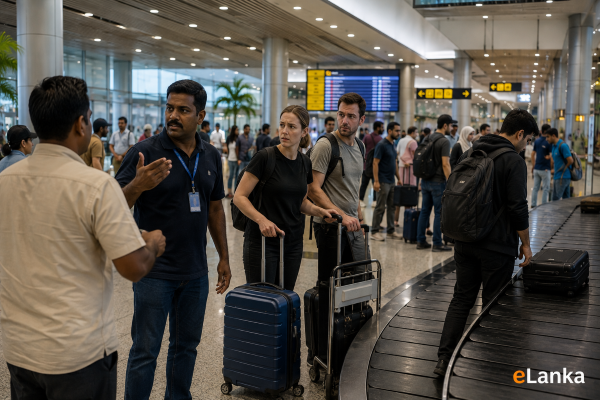
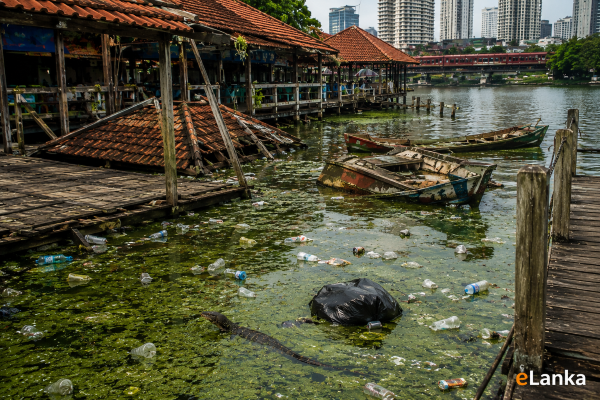
The hydropower facility supporting the Somerset Eco Material Collection and Processing Centre at Somerset Estate, Radella.
A significant environmental and community initiative is taking shape in Sri Lanka’s central highlands, where renewable energy, plastic recovery, women’s participation and livelihood development have been brought together through the Somerset Eco Material Collection and Processing Centre at Somerset Estate, Radella.
The facility, established under the Strengthening Women and Youth Engagement in Informal Waste Management in Sri Lanka (SWYFT) Project, is described as Sri Lanka’s first fully hydropower-operated Material Collection and Processing Centre. Its development represents a practical attempt to connect clean energy with local recycling activity, particularly within the ecologically sensitive plantation areas surrounding Nuwara Eliya.
The initiative was reported by Sienna De Silva of Financial Chronicle on 28 August 2026 and involves Talawakelle Tea Estates PLC, The Coca-Cola Foundation, Janathakshan and Neptune Recyclers, with each organisation contributing to the facility’s development, implementation or recycling operations.
Renewable energy supporting local recycling
The Somerset Eco Material Collection and Processing Centre operates using electricity generated by a small hydropower plant on the Nanu Oya River. Rather than relying solely on conventional grid power or fossil-fuel-based equipment, the centre uses the available renewable-energy resource to support its material-processing operations.
The hydropower connection also supports the charging of electric three-wheelers and bicycles, which are used to collect recyclable materials from nearby communities. This arrangement creates a direct operational link between energy generation, low-emission transport and the recovery of discarded plastic.
Although the initiative should not be regarded as a complete solution to the wider environmental challenges associated with plastic waste, its integrated design provides a useful example of how small-scale infrastructure can be adapted to local geographical and economic conditions. In this case, the surrounding hill-country landscape, the presence of the Nanu Oya River and the established plantation community have enabled a model in which renewable energy is incorporated into everyday waste-management activities.

A facility operated by women
One of the most notable features of the Somerset centre is its women-led operating structure. The facility is operated by women and is intended to strengthen participation in an area of work that has traditionally been associated with informal and often insecure employment.
The centre is capable of processing approximately three metric tonnes of plastic bottles each month, while also supporting more than ten informal waste collectors. The combination of formal processing facilities and established community collection networks is important because recyclable materials can be recovered more effectively when collectors have access to reliable sorting, storage and onward-processing arrangements.
For women working at the centre, the project provides more than an environmental role. It creates an opportunity for technical involvement, operational responsibility and income generation within a structured local enterprise. Such participation is particularly relevant in plantation communities, where employment options may be concentrated in a limited number of sectors.
The centre’s operation therefore illustrates how environmental programmes can be designed to include social and economic objectives without losing sight of their primary purpose. Its reported contribution lies not only in the quantity of plastic processed, but also in the creation of a more organised system that recognises the work of informal collectors and places women at the centre of daily operations.
Collection across the Nuwara Eliya highlands
Materials are collected from several areas in and around the central highlands, including Nuwara Eliya, Nanu Oya, Agrapatana, Talawakelle, Ramboda and Hatton. These locations are connected by a landscape of tea estates, steep slopes, waterways and upland settlements, where discarded plastic can move rapidly into drains, streams and river systems if collection arrangements are inadequate.
The Somerset facility is intended to divert plastic bottles from these communities and channel them into a more systematic recovery process. By supporting collection at local level, the initiative can assist in reducing the amount of recyclable material that remains scattered around public areas or reaches waterways.
The source report describes the project as contributing to the protection of the upper watershed. This is a significant consideration in the Nuwara Eliya region, where upland streams and rivers form part of wider water systems that serve communities and agricultural areas downstream. The environmental value of the centre should therefore be understood in geographical terms: it is positioned within a highland environment where careful waste management can complement broader efforts to protect watercourses and surrounding ecosystems.

Cooperation among established partners
The facility has been developed through cooperation among several organisations with distinct responsibilities.
Talawakelle Tea Estates PLC serves as the plantation-sector partner and has provided the setting in which the Somerset centre operates. The company’s involvement places waste recovery within an established estate community, allowing the project to respond to local collection requirements rather than functioning as an isolated recycling installation.
The Coca-Cola Foundation has provided financial support for the initiative. According to Mario Perera, Country Head for Sri Lanka and the Maldives at The Coca-Cola Company, the Somerset Eco MCPC demonstrates the potential of combining renewable energy, waste management, employment and local partnerships within an inclusive circular-economy model.
Janathakshan is responsible for implementation, while Neptune Recyclers serves as the recycling partner. Dr Janaka Hemathilaka, CEO and Executive Director of Janathakshan, has been identified with the organisation’s efforts to promote resilient, inclusive and sustainable development through community-based programmes.
Dr Roshan Rajadurai, Managing Director of Talawakelle Tea Estates PLC, described the centre as an expression of the company’s commitment to renewable energy, circular waste management and community empowerment, with particular emphasis on protecting the upper watershed.
The involvement of these partners demonstrates that effective recycling infrastructure can require collaboration between plantation companies, non-governmental organisations, recycling businesses and philanthropic institutions. Such cooperation is instrumental when a project is expected to address both practical collection needs and wider community objectives.
Part of the wider SWYFT network
The Somerset centre forms part of the wider SWYFT Project, under which five women- and youth-led Material Collection and Processing Centres have been established across Kandy, Nuwara Eliya, Matale and Kurunegala, as reported by Financial Chronicle.
The broader initiative also includes training, equipment and low-emission collection methods. The Somerset facility represents a further development of that model because hydropower has been incorporated into both the centre’s operations and the charging arrangements for electric collection vehicles.
The reported network suggests that the project is not limited to the construction of individual facilities. It also seeks to improve the systems surrounding collection, sorting and recycling, while creating more opportunities for women and young people to participate in community-level environmental work.
The value of this approach lies in its adaptability. A recycling centre in a highland plantation setting will face different logistical conditions from one serving an urban neighbourhood, and the use of small electric vehicles, bicycles and locally available hydropower reflects the particular character of the Somerset area.

A measured example of circular-economy development
The Somerset Eco Material Collection and Processing Centre does not eliminate the need for stronger waste-reduction policies, improved consumer awareness or wider recycling infrastructure. Nevertheless, it offers a grounded example of how circular-economy principles can be applied through a facility that is connected to its local setting.
Plastic bottles are collected from nearby communities, transported using electric vehicles and bicycles where appropriate, processed with hydropower and directed towards recycling through Neptune Recyclers. Women operate the centre, while more than ten informal waste collectors receive support through the organised system.
This combination of activities gives the project significance beyond its physical building. It links resource recovery with employment, renewable energy with transport and community development with protection of the surrounding watershed.
For Sri Lankan communities in Australia and around the world, the Somerset initiative provides a positive example of locally designed environmental enterprise. It demonstrates that sustainability can be advanced through modest but carefully integrated facilities, particularly when businesses, community organisations and development partners work towards clearly defined outcomes.
Further information about Sri Lankan community initiatives, businesses and positive developments can be found through eLanka, Australia’s long-standing digital platform connecting Sri Lankans with news, services and community information.
This article was written based on the source https://srilankachronicle.com/coca-cola-foundation-supports-innovative-hydro-facility-pioneering-circular-economy-standards-in-sri-lanka/, kindly email us at info@eLanka.com.au if any information needs to be corrected.
(adsbygoogle = window.adsbygoogle || []).push({});
At eLanka, we respect the rights of creators. If we have used an image you own and you’d like it removed, please email us at info@elanka.com.au and we’ll handle it promptly.