




Are you concerned about being pre-diabetic? – By Dr Harold Gunatillake

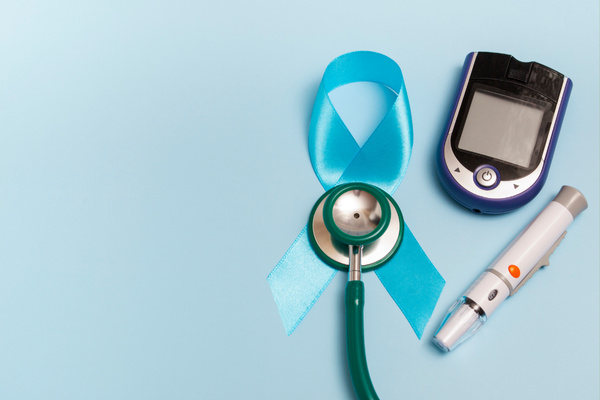
Overview: Consider yourself the captain of your vessel. With perseverance, you can navigate away from diabetes and towards a healthier life. Unlike conditions such as cancer or heart disease, where cures are uncertain, prediabetes offers you the advantage of control. By taking early action, you can restore health and live as actively as those without the condition.
It’s a common worry, and understanding your health is the first step towards feeling more in control. Remember, you’re not alone, and help is available if you need it.
Prediabetes indicates that your blood glucose levels are elevated beyond normal ranges but have not yet reached the threshold for a diagnosis of type 2 diabetes. It is a prevalent condition, often asymptomatic, and can be reversed if detected early.
Globally, diabetes is rising fast. In 2021, over 529 million people lived with the condition, and that number is expected to more than double by 2050. Most cases are type 2 diabetes, often linked to lifestyle factors like poor diet, lack of exercise, or being overweight.
If you have a familial history of diabetes or have taken all necessary precautions, this article is pertinent to you. The concerns associated with prediabetes and full-fledged diabetes are identical; however, prediabetes may be reversible through precautionary measures aimed at restoring insulin sensitivity. Fully blown diabetes can also be reversed by a stringent low glycemic diet and exercise for extended periods.
It is essential to comprehend the concepts of insulin resistance and insulin sensitivity to gain a deeper understanding of the subject.
In cases of insulin resistance, the pancreas secretes insulin; however, this secretion does not effectively lower blood glucose levels, unlike in individuals with a fully functional pancreas that secretes insulin that is sensitive and capable of lowering blood sugar levels. Therefore, diabetes can be characterised as an ‘insulin-resistant disease. ‘
Regulating blood sugar levels with medication may not be the most effective way to permanently reverse insulin resistance.
However, maintaining blood sugar levels with such measures could exacerbate the condition by promoting further resistance.
Managing diabetes with medication may be comparable to applying a Band-Aid to a leak without repairing the pipe.
Insulin resistance constitutes a significant aspect of the issue. It is not solely reliant on pharmaceuticals; instead, it emphasises lifestyle modifications, daily walking routines, and alternative strategies to address insulin resistance.
Are you aware that managing diabetes with medication carries the same risk of complications—such as coronary heart disease, stroke, and peripheral vascular changes leading to amputations— as uncontrolled diabetes? The primary difference lies in the temporal aspect.
Now, what are the signs of prediabetes?
There are no symptoms in the initial stages of prediabetes unless identified through a routine blood sugar examination.
At a later stage, the symptoms may include:
Increased appetite, unexplained weight loss or gain, weakness, sweating, blurred vision and fatigue.
These are general symptoms unrelated to prediabetes, too.
The most crucial symptom is having a family history of the disease.
For most individuals, the condition is identified through a blood glucose assessment — specifically, the haemoglobin A1c (HbA1c) test. This straightforward blood test indicates average blood glucose levels over the preceding three months, with results expressed as a percentage, as outlined below.
- regular blood sugar — below 7%
- prediabetes — between 7 and 6.4%
- type 2 diabetes — above 4%.
As I mentioned earlier, you can reverse pre-diabetes when detected early and eliminate it by maintaining a lifestyle that includes daily walking.
Now, a bit of new research finding:
A recent Indian study published in The Journal of Diabetes & Metabolic Disorders has demonstrated that individuals who undertake measures to manage their prediabetes within two years of diagnosis have a favourable prognosis of preventing its progression to type 2 diabetes.
Jack Ogden, MBChB, BSc, LLM, IBLM, MRCGP, a primary care physician specialising in diabetes at The Lagom Clinic in Bristol, United Kingdom, who was not involved in this research, remarked to Medical News Today that: “The study utilises a well-constructed retrospective cohort employing ten years of electronic medical record data from a closed urban population. The application of multi-state modelling is methodologically sound, with transitions aligning with those of other cohort studies. Nonetheless, certain limitations warrant consideration, including dependence on opportunistic testing, potential selection bias, and limited generalizability owing to the specific population studied. This investigation was confined to a small region of India with distinctive cultural and dietary preferences, thereby constraining its applicability to broader populations.”
About diabetes, it is not a life sentence. You are essentially the captain of your vessel, capable of reversing the condition through perseverance; unlike illnesses such as cancer and heart disease, you do not have control over a definitive cure. Therefore, accept this privilege and take proactive measures to reverse the situation, thereby affording yourself a healthy life comparable to that of non-diabetics.
I hope you find this article helpful and reassuring if you’re managing pre-diabetes.