eLanka

Saturday, 28 Mar 2026
  • Home
  • Read History
  • Articles
    • eLanka Journalists
  • Events
  • Useful links
    • Obituaries
    • Seeking to Contact
    • eLanka Newsletters
    • Weekly Events and Advertisements
    • eLanka Testimonials
    • Sri Lanka Newspapers
    • Sri Lanka TV LIVE
    • Sri Lanka Radio
    • eLanka Recepies
  • Gallery
  • Contact
Newsletter
  • eLanka Weddings
  • Property
  • eLanka Shop
  • Business Directory
eLankaeLanka
Font ResizerAa
Search
  • Home
  • Read History
  • Articles
    • eLanka Journalists
  • Events
  • Useful links
    • Obituaries
    • Seeking to Contact
    • eLanka Newsletters
    • Weekly Events and Advertisements
    • eLanka Testimonials
    • Sri Lanka Newspapers
    • Sri Lanka TV LIVE
    • Sri Lanka Radio
    • eLanka Recepies
  • Gallery
  • Contact
Follow US
© 2005 – 2026 eLanka Pty Ltd. All Rights Reserved.
Home » Goodnews Stories Srilankan Expats » Articles » Coconut- an Asian dietary essential- was bashed again by Western researchers, despite its increasing popularity in the West. – By Harold Gunatillake

ArticlesDr Harold Gunatillake

Coconut- an Asian dietary essential- was bashed again by Western researchers, despite its increasing popularity in the West. – By Harold Gunatillake

eLanka admin
Last updated: October 6, 2023 11:37 am
By
eLanka admin
ByeLanka admin
Follow:
Share
10 Min Read
SHARE
Views: 5

Coconut- an Asian dietary essential- was bashed again by Western researchers, despite its increasing popularity in the West. – By Harold Gunatillake

Harold-Gunethilake

In the fifties, sixties and before, our coconut properties, belonging to the private landowners and companies, paid particular attention to fertilising the coconut trees, and the production was sufficient for the local population and exports as copra for our foreign currency earnings. The trees were big and healthy looking.

Coconut plantations flourished in the Sri Lankan coasts from Chilaw to Matara in the post- Anuradhapura period. In the 15th century, King Parakramabahu VI gifted a coconut plantation to the Thotagamuwe Vijayaba Pirivena. Spanish and Portuguese explorers coined the name coconut in the 16th century.

We were proud then of our coconut growth, including rubber and tea plantations, the main products that gave us sufficient foreign exchange.

Then, in 1972 – The land Reform Act was introduced with political motives when unnecessary.

Having identified a common yearning for land and livelihoods, Mrs Bandaranaike appointed the Land Reform Commission. Tasked with land re-distribution, the introduced regulations limited landowners to possessing 50 acres. Possibly, most of the landowners were UNP supporters.

The lack of far-sited policies brought in more issues, and production dropped due to this distribution.

Land reform intended to distribute land holdings among people taken from large landowners and foreigners, a large number of smaller landholders were expropriated to make considerable state holdings.

Rohan Pethiyagoda, head of Sri Lanka Tea Board, a regulatory body covering the tea sector, say the way Sri Lanka conducted “land reform in the 1970s was a disaster.”

The primary concern for the coconut industry following this land reform act is the scarcity of coconuts in the country. The trees became stunted with less production.

The Coconut Research Institute (CRI) and the Coconut Cultivation Board had initially provided inaccurate information on coconut crops, leading to unrealistic expectations from foreign buyers. As a result, Sri Lanka’s coconut industry is grappling with the repercussions of inadequate supply, impacting exports and domestic consumption.

This was the first bash for our coconut production, and there was a time when we would import coconuts for local consumption from Burma due to this reform act.

Presently, and in the recent past, the bashing is mainly due to the promotion of other oils condemning coconut oil due to alleged saturated fat harmful to our bodies.

Coconut oil is “one of the worst foods you can eat” and is “pure poison”, a Harvard professor has said. In a speech at the prestigious American university, Dr Karin Michels warned against consuming it. The address was called Coconut Oil and Other Nutritional Errors.

Coconut is a poison- so it will kill all people who eat coconut products and use oil for cooking. According to this lady’s pronouncement, half the world’s population will be wiped out soon.

Epidemiologically, this pronouncement can be contested for its unsupported ideas.

The idea that saturated fats cause heart disease, called the diet-heart hypothesis, was introduced in the 1950s by Keys based on weak, associational evidence. Subsequent clinical trials attempting to substantiate this hypothesis could never establish a causal link.

For example, research reviews have shown that full-fat dairy intake has a neutral or protective effect on heart disease risk, while coconut oil intake has been shown to boost HDL (good) cholesterol and may benefit weight loss.

The U.S. Government’s official position on coconut oil today is that it is dangerous for your health and that you should either avoid it altogether or only consume very modest amounts.

This official position has been given for over four decades because it is primarily a “saturated fat”, which they want you to believe leads to high cholesterol levels and heart disease.

Low doses of coconut oil added to the diet of mice for eight weeks led to alterations in their metabolism that contributed to the development of obesity and related co-morbidities, according to a new study.

The coconut oil disturbed the mice’s ability to properly use leptin and insulin, two hormones essential for regulating energy expenditure, hunger, and how the body handles fats and sugars.

The findings support the hypothesis that a diet high in saturated fatty acids can lead to leptin resistance. At the same time as leptin resistance is developing, the body’s fat storage tissue, known as white adipose tissue, also becomes less responsive to leptin.

The study was published in the Journal of Functional Foods. “The study proposes that coconut oil could make it harder for the body to properly respond to important hormones that manage hunger and energy use, at least in mice,” said nutrition scientist Dr. Taylor Wallace. “This could contribute to problems like obesity and resistance to insulin, which is a key issue in diabetes.”

Leptin is a hormone derived from adipose tissue and the small intestine, mainly in enterocytes; it helps regulate the energy balance by suppressing hunger, resulting in decreased fat mass in adipocytes.

If this theory is applied to humans, all Asians, Orientals, and Islanders should have an obesity problem. Still, obesity is a problem in the Western developed countries eating a Western diet excluding coconuts in the recipes.

An ecological study for Sri Lanka about the health effects of coconut by K Athauda 1, A R Wickremasinghe, B Kumarendran, A Kasturiratne

An ecological correlation study was conducted to determine the association between the consumption of coconut products and deaths due to cardiovascular disease (CVD) in Sri Lanka. Data on coconut consumption patterns from 1961 to 2006 were abstracted from the FAO database, mortality data from the Department of Census and Statistics reports, and UN databases.

The results do not provide evidence at the population level that consuming coconut products increases mortality due to cardiovascular diseases.

Coming in hot at the #1 spot, Sri Lanka eats the most coconuts out of every country in the world! At nearly 61 kg per capita, Sri Lanka truly is the coconut capital of the world!

Heart disease is increasingly prevalent worldwide, and Sri Lanka is no exception. According to data released by the World Health Organization (WHO) in 2018, over 22.6% of deaths in Sri Lanka are caused by cardiovascular diseases.

Common risk factors leading to cardiovascular disease include obesity, diabetes, high cholesterol, high blood pressure, smoking tobacco, a sedentary lifestyle, unhealthy eating habits, and clinical depression. Sri Lanka faces a vulnerable situation against the said risk factors as there is a high level of tobacco consumption in the country, with over 50-60 people dying every day due to smoking, and one in five adults in Sri Lanka is diabetic or prediabetic.

No research paper shows that these risk factors correlate to coconut consumption in their daily diet.

Heart disease is a common problem globally, including the number one killer in the US. It is essential to acknowledge that specific steps, such as lifestyle changes, can be taken to prevent developing cardiovascular disease and reduce the severity of its complications. It has no relation to the consumption of saturated fats in coconut.

High blood pressure is a leading cause of heart disease and stroke because it damages the lining of the arteries, making them more susceptible to plaque buildup, narrowing the streets leading to the heart and brain, and not consuming too much-saturated fat.

For their survival, most research workers produce research papers on subjects like coconut or eggs and reveal experimental work on rats without connection with humans.

The truth is that those who consume coconuts in their curries and pol sambal, a favourite mixture that goes with Asian foods such as string hoppers, hoppers, flatbreads, rice, and curry, must continue with no guilt.

I hope this video article was helpful.

Stay safe, eat coconut products and be healthy. Goodbye for now.

TAGGED:coconutSri Lanka Tea BoardThe Coconut Research Institute
Share This Article
Facebook Whatsapp Whatsapp LinkedIn Email Copy Link Print
Previous Article Doctor, my morning fasting blood sugar is always high. Do you have any clues as to why this might be happening? – By Dr Harold Gunatillake
Next Article Vernon Forbes, 99th Birthday - JOSEPH VERNON FORBES - celebrates his 100th Birthday - eLanka JOSEPH VERNON FORBES – celebrates his 100th Birthday
FacebookLike
YoutubeSubscribe
LinkedInFollow
Most Read
10 Pictures With Fascinating Stories Behind Them!

“A PICTURE SPEAKS A 1000 WORDS” – By Des Kelly

Look past your thoughts so you may drink the pure nectar of this moment

A Life Hack for when we’re Burnt Out & Broken Down – By Uma Panch

Narration of the History of our Proud Ancestral (Orang Jawa) Heritage. by Noor R. Rahim

eLanka Weddings

eLanka Marriage Proposals

Noel News

Noel News

Noel News

Noel News- By Noel Whittaker

EILEEN MARY SIBELLE DE SILVA (nee DISSANAYAKE) – 29 September 1922 – 6 April 2018 – A Woman of Value an Appreciation written by Mohini Gunasekera

K.K.S. Cement Factory

Dr.Harold Gunatillake’s 90th Birthday party

Sri Lanka's women's cricket squad in Melbourne

Cricket: Sri Lanka’s women’s squad in Melbourne

- Advertisement -
Ad image
Related News
Extreme Heat in Sri Lanka
Articles Bhanuka Nuwan

Extreme Heat in Sri Lanka: Causes, Science, and How to Protect People

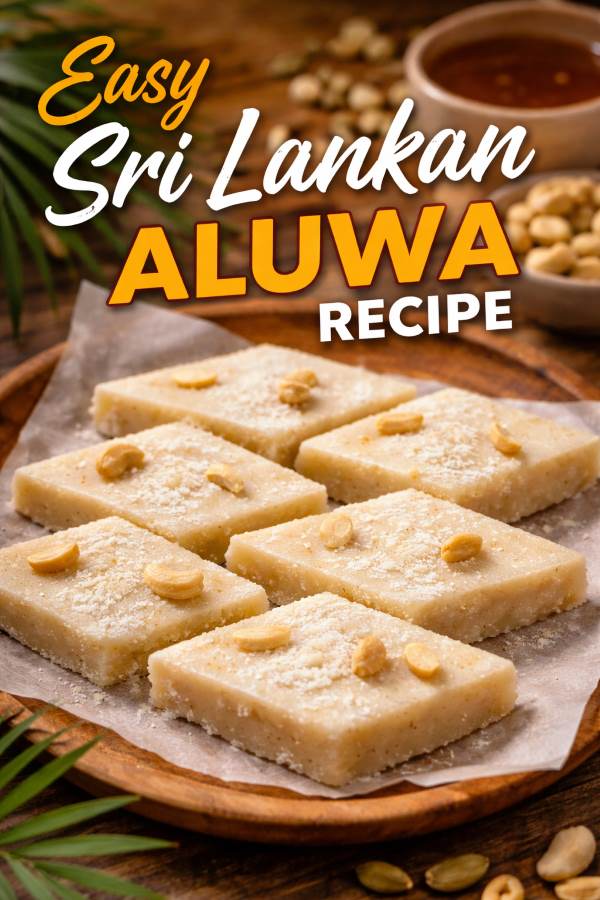
Sri Lankan Aluwa Recipe – A Simple Traditional Sweet Delight - By Nadeeka - eLanka
Articles Nadeeka Kumari

Sri Lankan Aluwa Recipe – A Simple Traditional Sweet Delight – By Nadeeka – eLanka

Dilruk Jayasinghe is Sri Lanka's pride at the Australian Comedy Festival. - BY TREVINE RODRIGO IN MELBOURNE.
Articles Trevine Rodrigo

Dilruk Jayasinghe is Sri Lanka’s pride at the Australian Comedy Festival.- BY TREVINE RODRIGO IN MELBOURNE.

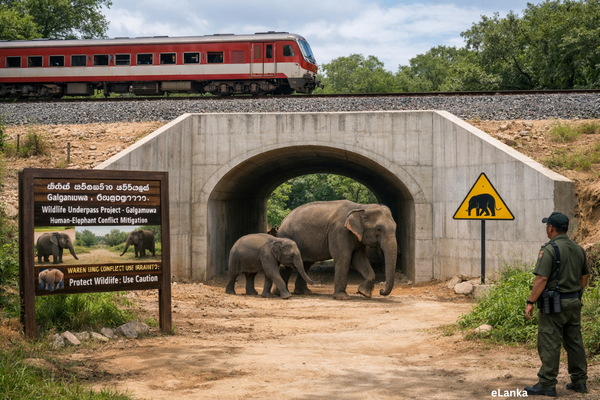
New wildlife underpass at Galgamuwa – solution for Human-Elephant Conflict By Arundathie Abeysinghe According to scholars, the new wildlife underpass at Galgamuwa in North Western Province which will be completed this month, will be a solution for the Human-Elephant Conflict (HEC). Galgamuwa is part of the Mahaweli Development Programme, the largest multipurpose national development programme in the country. Currently, construction of the elephant underpass is being completed beneath the railway line at Kasikote, between Galgamuwa and Ambanpola, an area well-known for frequent elephant crossings. A tunnel is constructed beneath the railway track to allow wild elephants to move safely from one side to the other, reducing the risk of train collisions as well as HEC. In 1977, when the Accelerated Mahaweli Development Scheme was launched, vast extents of forest lands were logged to facilitate new settlements. This led to elephants losing their habitats. According to senior engineers working on the project site, “construction work is expected to be completed in March 2026. The project would have been completed in early March, yet, the design phase of the project could not be finalised as there were challenges in controlling the movements of elephants towards the villages. During the rainy season, the slope that had already been cut was filled with water. Hence, those issues had to be addressed prior to its completion.” Galgamuwa residents are of the view that “this is a key project that should have been completed several decades ago as over 300 people have died in the area due to HEC, while over 50 people are handicapped as a large number of houses were damaged by elephants in search of food. For many years, we have spent sleepless nights due to fear of elephants roaming villages at night. One or two officers of the Department of Wildlife Conservation (DWC) cannot handle several elephants at once.” According to environmentalists “due to new settlements, there is lack of food in existing elephant migratory routes. To prevent elephant encounters, majority of villagers have set up electric fences which are useless as elephants cross the fences by felling large trees over them.” “Kahalla-Pallekele sanctuary was declared in 1989 with the objective of declaring the area up to Kala Wewa and Balalu Wewa as a national park. Yet, after this declaration, illegal land grabbing and human activities have disturbed migratory routes that elephants have been using for many years. Subsequent governments dug trenches, thinking that it would discourage elephants from coming towards villages. But that too was unsuccessful. Elephants now destroy electric fences because there’s lack of maintenance. It is difficult for just one or two wildlife officers to manage these elephant fences. When there’s lack of fodder, they go to people’s backyards in search of vegetables and fruits grown in home gardens.” In certain areas of Galagamuwa, community-based seasonal paddy field fences are constructed to avoid HEC. These are very successful as there is a direct incentive for the farmers to maintain and monitor the fence as their crops may be raided by elephants. In 2024, there were around 300 seasonal paddy field fences erected by Farmer Organisations supported by the Department of Agrarian Development. These seasonal paddy field fences contributed significantly to the number of elephant deaths decreasing from 488 in 2023 to 386 in 2024 as people kill elephants mainly when they raid their paddy or vegetable crops. Scholars are of the view that “although, the project would be completed this month, it is necessary to monitor, at least for a period of one year, if elephants may get used to using the underpass, even though they may not use it immediately.”
Articles Arundathie Abeysinghe

New wildlife underpass at Galgamuwa – solution for Human-Elephant Conflict – By Arundathie Abeysinghe

Australia to host U19 women’s tri-series in April
Articles

Australia to host U19 women’s tri-series in April

  • Quick Links:
  • Articles
  • DESMOND KELLY
  • Dr Harold Gunatillake
  • English Videos
  • Sri Lanka
  • Sinhala Videos
  • eLanka Newsletters
  • Obituaries
  • Sunil Thenabadu
  • Dr. Harold Gunatillake
  • Tamil Videos
  • Sinhala Movies
  • Trevine Rodrigo
  • Photos
  • eLanka Newsletter

eLanka

Your Trusted Source for News & Community Stories: Stay connected with reliable updates, inspiring features, and breaking news. From politics and technology to culture, lifestyle, and events, eLanka brings you stories that matter — keeping you informed, engaged, and connected 24/7.
Kerrie road, Oatlands , NSW 2117 , Australia.
Email : info@eLanka.com.au / rasangivjes@gmail.com.
WhatsApp : +61402905275 / +94775882546
  • About eLanka
  • Terms & Conditions

Disclaimer:
eLanka is committed to sharing positive and community-focused stories. We do not publish or endorse political, religious, or ethnic viewpoints. The content published on eLanka, including articles and newsletters, reflects the opinions and views of the respective authors and not those of eLanka. eLanka accepts no responsibility or liability for the accuracy, completeness, or consequences of any content provided by contributors.

(c) 2005 – 2025 eLanka Pty Ltd. All Rights Reserved.