In an exciting and resounding endorsement that has captured the attention of international travellers and the global Sri Lankan community alike, renowned British travel writer and author Juliet Coombe has officially declared Colombo as the “most happening city in the world today”. Speaking as a special guest during a high-profile gathering at the iconic Colombo Lotus Tower, Coombe highlighted the capital’s remarkable transformation, its unique amalgamation of deep historical roots and modern urban infrastructure, and its burgeoning reputation as a vibrant epicentre of culture, commerce, and leisure.
This international accolade marks a significant milestone in Sri Lanka’s tourism narrative. For decades, Colombo was frequently viewed by international visitors merely as a transit port, a brief stopover before travellers hurried onwards to the cultural triangle, the hill country, or the southern coastline. However, as Coombe astutely observed, the city has undergone an extraordinary metamorphosis, shedding its traditional image to emerge as a dynamic, cosmopolitan destination that demands prolonged exploration.
A Tapestry of Modern Development and Deep Heritage
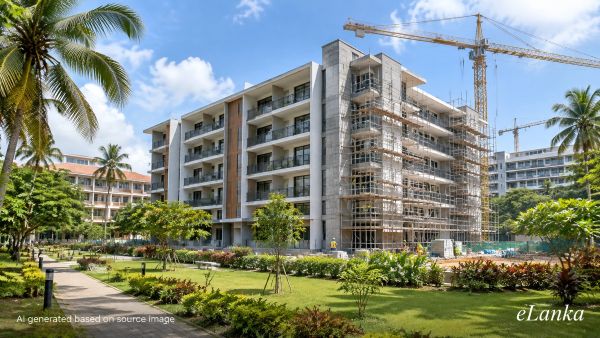
The renaissance currently unfolding across Colombo is characterised by a delicate balance between forward-looking architectural modernisation and the meticulous preservation of its colonial-era heritage. From the revitalised promenades of Galle Face Green to the ultra-modern developments of the Colombo Port City, the urban landscape reflects a nation confidently stepping into the future while honouring its storied past.

Historic neighbourhoods such as Colombo Fort and Pettah are experiencing a cultural revitalisation. Dilapidated colonial warehouses and mercantile offices are being ingeniously repurposed into chic art galleries, boutique concept stores, and artisanal dining establishments. This urban regeneration honours the architectural legacy left behind by centuries of maritime trade while providing contemporary spaces for local entrepreneurs, artists, and international visitors to converge.
Furthermore, the city’s rich biodiversity sets it apart from many concrete-heavy metropolises across South Asia. With its sprawling urban wetlands, picturesque lakes, shaded parks, and coastal breezes, Colombo offers a tranquil yet pulsating environment where nature seamlessly coexists with towering skyscrapers.
Repositioning Colombo as a High-Spending, Long-Stay Destination
Juliet Coombe’s glowing assessment arrives at a pivotal juncture for Sri Lanka’s tourism sector. Strategic policymakers within the Western Province and national tourism boards have long advocated for a structural shift in how the capital is marketed globally. The objective is clear: to transition Colombo from a short-stay transit hub into a premier, high-spending, long-stay tourism and leisure destination.

Recent infrastructure projects, including the landmark Colombo Lotus Tower, which serves as a technological marvel and a prominent cultural landmark, have amplified the city’s appeal. By introducing world-class entertainment complexes, international culinary festivals, luxury shopping outlets, and heritage walking trails, the city is successfully attracting discerning travellers seeking authentic cultural immersion combined with modern luxury.
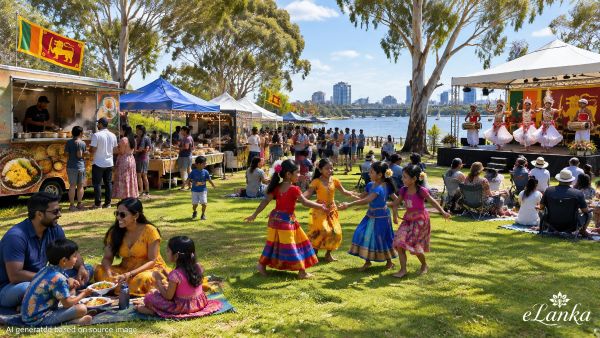
For the global Sri Lankan community residing abroad, whether in Australia, the United Kingdom, Canada, New Zealand, or the United States, this urban renaissance is a source of immense pride. Returning expatriates frequently express astonishment at how rapidly the capital has evolved, noting the vibrant culinary scene, sophisticated arts events, and cosmopolitan energy that now rival any major global metropolis.
Culinary Excellence and a Flourishing Arts Culture
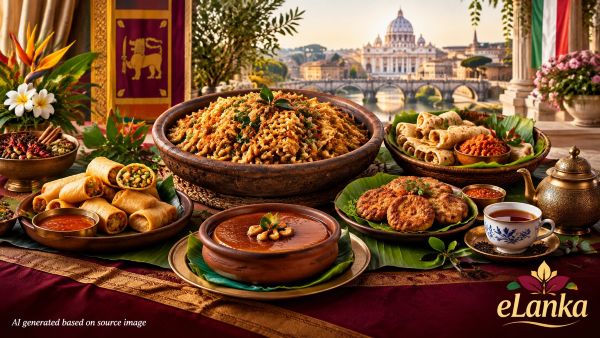
No exploration of Colombo’s transformation would be complete without examining its extraordinary culinary landscape. The city has emerged as a gastronomic melting pot where traditional Sri Lankan spices and heirloom recipes are masterfully reinterpreted by contemporary chefs. From upscale rooftop dining establishments offering panoramic views of the Indian Ocean to bustling street food lanes in Galle Face, the city satisfies every culinary palate.

In tandem with its culinary explosion, Colombo’s arts and literary culture is experiencing an unprecedented golden age. Independent bookstores, community theatre productions, live music venues, and international art exhibitions are regularly organised across the city, fostering a creative ecosystem that nurtures homegrown talent and attracts global artists.
Conclusion: A Bright Horizon for Sri Lanka’s Capital
Juliet Coombe’s designation of Colombo as the world’s most happening city is more than just a fleeting travel headline; it is a validation of the resilience, creativity, and boundless potential of the Sri Lankan people. As the city continues to expand its tourism infrastructure, preserve its irreplaceable heritage, and embrace sustainable urban development, it stands ready to welcome the world with open arms.
For members of the global Sri Lankan community and international travellers alike, there has never been a more opportune time to experience the unmatched vibrancy, warmth, and dynamic spirit of Colombo.
Source: Full Daily Mirror article URL: https://www.dailymirror.lk/
This article was written based on the source https://www.dailymirror.lk/, kindly email us at info@eLanka.com.au if any information needs to be corrected.
At eLanka, we respect the rights of creators. If we have used an image you own and you’d like it removed, please email us at info@elanka.com.au and we’ll handle it promptly.