News & Community eLanka

eLanka

Thursday, 15 Oct 2026
  • Home
  • Read History
  • Articles
    • eLanka Journalists
  • Events
  • Useful links
    • Obituaries
    • Seeking to Contact
    • eLanka Newsletters
    • Weekly Events and Advertisements
    • eLanka Testimonials
    • Sri Lanka Newspapers
    • Sri Lanka TV LIVE
    • Sri Lanka Radio
    • eLanka Recepies
  • Gallery
  • Contact
Newsletter
Sri lankan news
  • eLanka Weddings
  • Property
  • eLanka Shop
  • Business Directory
eLankaeLanka
Font ResizerAa
Search
  • Home
  • Read History
  • Articles
    • eLanka Journalists
  • Events
  • Useful links
    • Obituaries
    • Seeking to Contact
    • eLanka Newsletters
    • Weekly Events and Advertisements
    • eLanka Testimonials
    • Sri Lanka Newspapers
    • Sri Lanka TV LIVE
    • Sri Lanka Radio
    • eLanka Recepies
  • Gallery
  • Contact
Follow US
© 2005 – 2026 eLanka Pty Ltd. All Rights Reserved.
Home » Goodnews Stories Srilankan Expats » Articles » EPOCH OF POLONNARUWA – By Dr Tilak S. Fernando
ArticlesTilak S Fernando

EPOCH OF POLONNARUWA – By Dr Tilak S. Fernando

eLanka admin
Last updated: May 8, 2023 4:36 am
By
eLanka admin
ByeLanka admin
Follow:
Share
10 Min Read
SHARE
Views: 205

EPOCH OF POLONNARUWA – By Dr Tilak S. Fernando

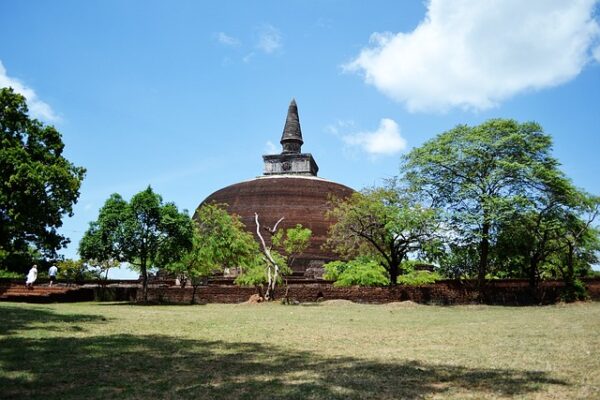
Polonnaruwa - elanka

Tilak S FernandoDuring this period of Kingdom, Ceylon was divided into three regions: Rohana (Matara), Southern and Raja Rata (Up county). In the early part of this kingdom, disputes, conspiracies or threats of fear of war existed. Therefore, it caused many problems towards the progress of the country. At times all three regions’ economy was spent on war compulsions.

When considering how those Kings of the Polonnaruwa era took care of Ceylon’s interest by making a liberal nation towards the early part of the kingdom, especially King Parakramabahu did not allow any foreign invasion to occur. He built several fortresses at strategic locations in his kingdom.

King Parakramabahu was keen on increasing agricultural production by growing much land for paddy cultivation and promoting several irrigation channels. It revealed the King’s ambition and popular saying: ‘Do not allow a single drop of water go to the ocean.’ Thereby, his kingdom became the most powerful kingdom out of all the other domains in Ceylon.

When he was just Prince, he had four ambitions or dreams in his mind, and once he became the King of Ceylon, he fulfilled his dreams in no time. This was mentioned in Pali Language in chronicles or (wansa kataha), as follows:

  • To make his subjects completely contented.
  • To make Buddhism a stable position.
  • To protect Chronicles.
  • To feed beggars.

It is also mentioned that those who gained state patronage were rewarded according to their suitability and talent. King Parakramabahu had given huge almsgiving and offered his subjects and various favours to his people, in line with ancient customs and traditions involved in Buddhistic affairs. It was tattooed in a Polonnaruwa Gal Vihara in an ancient manuscript. Apart from those, it was mentioned that the King performed ‘dansalas’ (free food and drink to passers-by) in every corner of his reign, including the Buddhist clergy, Brahmins and the poor or beggars.

Polonnaruwa - elanka

As the chronicles mention, King Parakramabahu erected a massive hall and employed doctors and nurses. The King visited the Buddhist viharas without fail in every Poya. There are 4 “Poya” in a month (known as Pura Atawake–Pasalowawaka, Atawake and Amawake).

Similarly, it is possible to think that the King’s sole income came from taxes. The King gave orders to tax collectors in every district not to abuse or threaten his subjects but at the same time not to take any short money from taxes. It was mentioned in the Theravada chronicles (Nikaya Sangrahaya). Parakramabahu 1 divided his reign into 15 ‘Padavies (areas) and deforestation of Land in the Anuradhapura District of the North Central Province of Ceylon. To fit into such orders, the King formed the following departments.

  1. Preparation of Records- Eight Departments (Viyapahh Path 8).
  2. Treasury – 4 departments (Sathara Mudala).
  3. Department of Transport (Ata Wadige).
  4. Divided Elephant Welfare Department into eight.
  5. A decentralisation was done with inland boards and eighty-four counties

It was also mentioned that during the Parakramabahu 1, what the villagers paid as the tax was utilised to pay day-to-day expenses of the Palace, all royal expenses, but did not include the king’s personal expenses. King Nissankamalla, out of such taxes, managed to reduce taxes to civil servants.

An overhaul of the administration strategies was done. It was stated in the chronicles that there were two officials in charge of the Royal Administration. between these two officials, one officer was apparently responsible for war affairs, and the other was not in an official position. He had several accountants (Ganakamaluwa) under him. Two accountants were in charge of the royal money and shared the responsibility. They were dealing with expensive commodities such as precious stones, alloy stuff, oils and valuable land, collecting taxes and were responsible to the treasury officials.

After Parakramabahu 1, followed other Royals’. Their opinion was that the taxation by the previous kings was unfair to the people. As a result, the king gave a tax moratorium for five years to bring relief to their subjects. It was reordered in the ancient inscriptions that they were just kings and had advised treasury officials not to involve in bribery and corruption but to make the country prosperous.

People, their vocation and society.However

During this epoch, the southern province was adopted in the 12th century, It was mentioned that the country was divided into twelve “regions” and was split into eighty-four segments (“countries” or counties). Therefore, each local region would have seven areas. Each part (mandala) was in charge of one person known as Rattia.

King Parakramabahu was the Southern province’s king before becoming the King of Polonnaruwa. Once he became the King, many administrative changes took place. The public life of people’s life concentrated on lakes, Buddhist temples, Dageba (stupa) and paddy cultivation. During the Pollanaru era, there were no drastic changes because of the king’s choice of ruling in the ‘middle path,’ People did not interfere but were loyal to the royalty.

It is the duty of the King to rule to safeguard every citizen’s right, and people accept it. When the cultivated land is increased, the amount of tax too proportionately increases. How King Parakramabahu devoted his efforts to agriculture shows that he collected more tax from the paddy fields in the Sothern Province. As a result, he managed to show elude any fears of starvation, and the country became self-sufficient. During the Polonnaruwa era, people could buy extra land as they were self-sufficient.

During this epoch, there is no record of the Kings owning every land that freely existed. On historical records, every land consisted of valuable precious stones and the Kings appointed a special administrative officer to collect such tax.

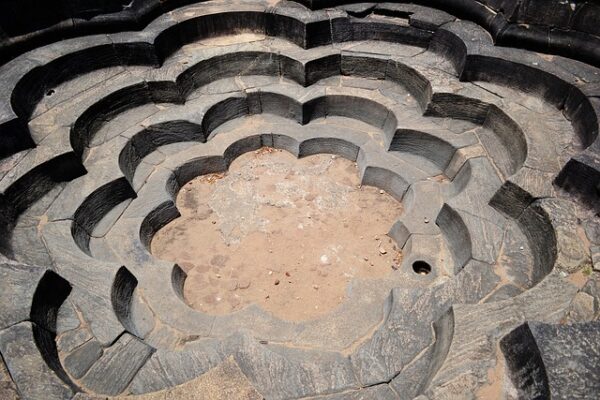
During the Polonnaruwa era, an intelligent and optimistic king (Parakramabahu) looked after the welfare of the socially rich people, and the social standards were the most. Systematic agriculture made the country self-sufficient. Agriculture and other social areas such as health, education, housing and royal patronage existed to bring about the common man’s problems. Once King Parakramabahu became king, he offered alms to the clergy, Bamunas, beggars and pedestrians. The King built massive sick bays are recorded in the chronicles.
Polonnaruwa elanka

During the Parakramabahu era, the King reconstructed what was ruined by Solei’s invasion of Anuradhapura’s reign through a Minister. During this period, many industries existed, and as a result, people lived happily.

In this era, professions such as medicine, spirituality, and magic prominently existed—similarly precious stone industry, pillows, mats and mattresses were prominent. One of Parakramabahu’s enemies, King Gajabu’s soldiers (Kalawapiye), to favour Prince Parakramabahu, offered expensive presents such as various precious stones and a massive elephant to Kalwapiye’s assistants.

The first Indian emperor’s time, Ceylon was considered part of Solei’s reign, and during Solei’s invasion, there was much damage to Ceylon. Is it possible to take Ceylonese’s expensive items to their Solei reign? Considering this fact, it is possible to wonder whether the entire country fell into Solie’s.  King Parakramabahu, together with Lankapura soldiers, formed a battalion. He beheaded one Kulsekera and made the king of Pandu sit on his throne, and returned to Ceylon was mentioned in old Ceylon history. Subsequently, this soldier formed a fortress in Thundukala in India and brought a substantial number of Indians as prisoners and made use of them to construct the big stupa in Anuradhapura.

tilakfernando@gmail.com

Courtesy: The writer translated into English from Sinhala from the Book by the late Prasad Milinda on Financial Analysis between BC 543 – 1832 (only sections of the book is concentrated to fit into publication).

TAGGED:Buddhist viharasCeylonKing Parakramabahu
Share This Article
Facebook Whatsapp Whatsapp LinkedIn Email Copy Link Print
Previous Article Deshamanya Professor Tony Furkhan Remembering Deshamanya Professor Tony Furkhan On His First Death Anniversary – May 8, 2023
Next Article Dansala Dansala’s -way side street cooked food stalls – By Dr harold Gunatillake
FacebookLike
YoutubeSubscribe
LinkedInFollow
- Advertisement -
eLankaproperty - sell property in Sri Lanka, Sri Lanka property for sale, Sri Lanka real estate, Sri Lanka property listings, property marketplace Sri Lanka, land for sale Sri Lanka, houses for sale Sri Lanka, apartments for sale Sri Lanka, commercial property Sri Lanka, luxury villas Sri Lanka, Sri Lankan property investment, buy property in Sri Lanka, Colombo property for sale, beachfront property Sri Lanka, development land Sri Lanka, investment property Sri Lanka, property advertising Sri Lanka, real estate agents Sri Lanka, property brokers Sri Lanka, overseas Sri Lankan property buyers, Sri Lanka property website, list property online Sri Lanka, affordable property listings Sri Lanka, Sri Lanka homes for sale, Sri Lanka land investment, property developers Sri Lanka, real estate marketplace Sri Lanka, Sri Lanka commercial real estate, sell land in Sri Lanka, sell house in Sri Lanka, Sri Lanka property portal, global property marketplace Sri Lanka, Sri Lankan real estate investment, property management Sri Lanka, buy land Sri Lanka, residential property Sri Lanka, holiday homes Sri Lanka, Sri Lanka investment opportunities, real estate advertising Sri Lanka, eLankaProperty
- Advertisement -
ALTAIR
- Advertisement -
Ad image
eLanka Wedding
Most Read
Sandika Hemakumari

Sandika Hemakumari to Captain Sri Lanka’s Women’s Sevens Squad at the Colombo Leg of the Asia Rugby Sevens Series

Sri Lankan junior tennis players

Three Sri Lankan Girls Reach the ATF Under-16 Quarter-Finals in Colombo

Otherland Galle Opens on Sri Lanka’s Southern Coast With a Locally Built Approach to Hospitality AI-generated illustration based on source material. No authentic photograph of the Otherland Galle property is embedded in this article. Otherland Hotels opened its first property, Otherland Galle, on 12 October 2026, introducing a 66-key lifestyle hotel that brings together accommodation, dining, music and locally curated experiences on Sri Lanka’s southern coast. The opening adds a new hospitality concept to a region known for its beaches, historic Galle Fort and established surf culture, with the hotel’s programme designed to encourage visitors to engage with the wider destination as well as the property. Located on Matara Road, Otherland Galle is approximately 400 metres from Dewata Beach and 2.8 kilometres from Galle Fort, the UNESCO World Heritage Site. The hotel draws on the area’s culinary traditions, creative communities and coastal way of life, positioning local experiences as a central part of its offer rather than an optional addition to a conventional hotel stay. Founded by Rishi Sreedharan, Samarth Gowda and Emanuel Siddhartha in partnership with Beryll Group, Otherland Hotels is built around the philosophy “Never the Same Twice”. Its approach combines private rooms and suites with shared accommodation and communal spaces intended for different kinds of travellers, from couples and groups of friends to solo visitors and culturally curious guests. The co-founders, pictured from left: Emanuel Siddhartha, Rishi Sreedharan and Samarth Gowda. Source photograph: Lanka Business News. A design-led mix of rooms and shared spaces Designed by Studio Camarada, led by Andre Camara, the hotel has been arranged as a series of interconnected spaces rather than a conventional sequence of corridors and separate facilities. Its interiors draw on the colours and materials of the southern coast, including sandy neutrals, ocean blues and earthy tones, alongside rattan, ash, hand-tufted textiles and marble finishes. The 66-key accommodation comprises 24 Ocean Rooms, 25 Terra Rooms, 12 suites and five dormitories. Room sizes range from 27 square metres to the 70-square-metre Patio Suite, while the property also includes rooms designed for guests with disabilities. The mix offers a range of accommodation formats within one property, including shared dormitory options alongside private rooms and suites. At ground level, Bar-kery combines several functions: reception, coffee shop, bakery, aperitivo counter and informal co-working space. Its Vinyl Corner invites guests to browse records and choose music, giving the communal area a more participatory character. Colombo Coffee Company has developed an exclusive signature blend for the hotel. AI-generated illustrative image based on the reported design approach; it is not a photograph of Otherland Galle. The rooftop venue Creatures brings together a restaurant, cocktail bar, infinity pool and music space, with 270-degree views of the Indian Ocean. It is intended to serve as a daytime dining and swimming venue as well as an evening social space, linking the hotel’s food and music programmes with its coastal setting. Sri Lankan flavours, music and a sense of place The food programme is led by Chef Rajeev Kumar and draws on Sri Lankan culinary traditions, alongside international influences and contemporary techniques. Dishes listed for the menu include King Coconut Ceviche, Yellowfin Tuna Tataki, Lankan Fish Cutlets and Devilled Pork Ribs glazed with kithul treacle. A Watalappam Brûlée brings a familiar Sri Lankan dessert into a contemporary format. Arijit Bose leads the cocktail programme, while Aneesha Thapa manages day-to-day operations. Music is another part of the hotel’s identity, with programming across Afro, R&B, folk, funk, jazz fusion, house, techno and electronica. The combination of food, music and shared spaces is intended to make the property relevant to both visitors and people from the surrounding area. Co-founder Samarth Gowda described the approach as one intended to make the hotel feel accessible and personal: > “Otherland Galle should feel like yours from the moment you walk in. Luxury has often come with a sense of distance, with places appearing impressive because they do not feel accessible to everyone. That is not what we are building. Everything here is designed around who you are and how you want to spend your time.” AI-generated illustration of ingredients associated with Sri Lankan culinary traditions; not a photograph of the hotel’s kitchen or menu. The Other Side: experiences created with local communities A key element of the concept is The Other Side, an experiences programme developed in collaboration with local surfers, fishermen, artisans, guides, chefs and musicians. The activities are designed to connect guests with people and places beyond the hotel, while drawing on knowledge and skills already present in the Galle region. The programme includes curry masterclasses, guided walks through Galle Fort and surf lessons at Dewata Beach. Further afield, guests can take whale-watching excursions off Mirissa or kayak through the mangroves of Koggala Lake. Rooftop sunset sessions, arrack tastings, beach cricket and tuk-tuk bar crawls are among the social activities described as part of the offer. This community-led model gives local participants a role in shaping and delivering visitor experiences, rather than presenting the area only as a backdrop for sightseeing. Its longer-term value will depend on how consistently these partnerships are sustained and how directly local contributors benefit from the activity they help create. Co-founder Rishi Sreedharan said: > “At Otherland, curiosity is the operating principle. We measure success by whether guests leave with a real sense of Galle. The surfers, fishermen, chefs and craftspeople who live here have helped build these experiences, and they are the ones bringing them to life.” AI-generated coastal illustration based on the article’s setting; it does not depict a verified view from the property. A new option for visitors to Galle The opening marks the first phase of Otherland Galle’s development. A gym, wellness centre and banquet facilities are planned for a subsequent phase. The property’s initial offer, however, is already structured around more than its room inventory: its communal areas, food and beverage venues, music programme and locally developed activities form a connected hospitality concept. For Sri Lankans abroad planning a visit home, the opening provides another option near Galle, with a programme that brings together coastal recreation, local food, heritage and community knowledge. For the Galle area, the approach places local contributors at the centre of the visitor experience. Whether the model makes a lasting contribution will be measured not only by the facilities it offers, but also by the strength and continuity of those relationships. The launch also reflects a wider interest among culturally curious travellers in experiences that extend beyond accommodation and conventional sightseeing. In Galle, where historic landmarks sit alongside a living coastal culture, the opportunity is to create hospitality that is carefully designed while remaining connected to the people and traditions that give the destination its character. Sources: Lanka Business News; Colombo Times; Hiru News Gold FM; SoulofHospitality. This article was written based on the source https://www.lankabusinessnews.com/otherland-hotels-makes-its-debut-in-galle/ and corroborated by https://colombotimes.net/otherland-hotels-makes-its-debut-in-galle/, https://hirunews.lk/goldfmnews/493932/otherland-galle-opens-with-66-rooms-introduces-dormitories-to-luxury-hotel-mix and https://www.soulofhospitality.com/business/hotel-openings/otherland-hotels-enters-sri-lanka-with-a-new-approach-to-lifestyle-hospitality, kindly email us at info@eLanka.com.au if any information needs to be corrected. Click here to receive your free copy of the eLanka Newsletter twice a week delivered directly to your inbox! At eLanka, we respect the rights of creators. If we have used an image you own and you'd like it removed, please email us at info@elanka.com.au and we’ll handle it promptly. Thanks. eLanka team eLanka Disclaimer Content published on eLanka may be created by the eLanka team, submitted by contributors or third parties, reproduced or adapted from other sources with appropriate source acknowledgement, or provided as promotional/advertising material by our clients. While eLanka takes reasonable care in preparing and publishing content, we do not warrant its completeness or accuracy. Views expressed are those of the respective authors or contributors and do not necessarily represent the views of eLanka. Third-party contributors, content providers and advertisers are responsible for the accuracy of material they supply and for ensuring they hold the necessary rights and permissions for its publication. Advertising and promotional content should not be regarded as an endorsement by eLanka of any product, service or claim.

Otherland Galle Opens on Sri Lanka’s Southern Coast With a Locally Built Approach to Hospitality

Dilmah SIAL Paris 2026

Dilmah’s Three Innovations Selected for SIAL Paris 2026 as Company Named a Top Five SIAL For Change Finalist

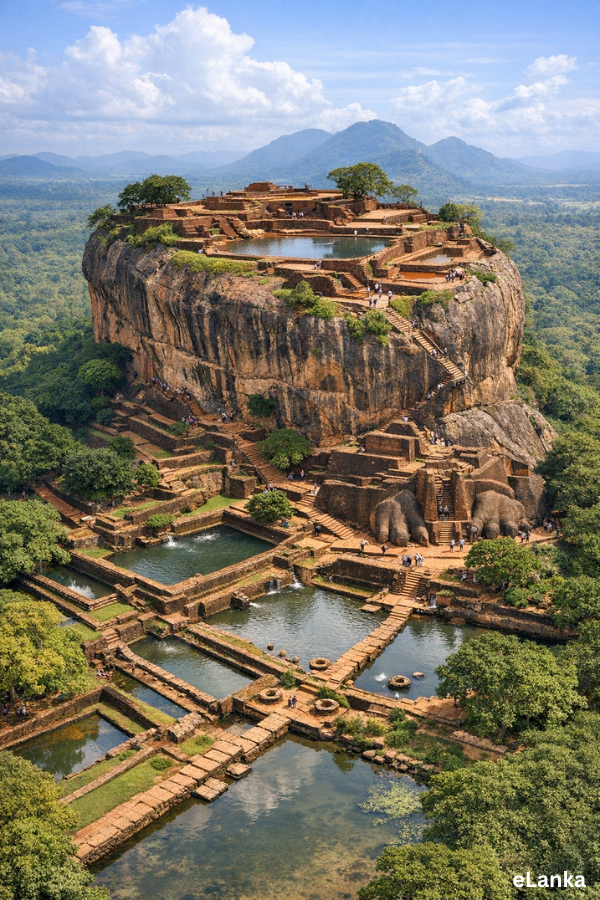
Sigiriya Sri Lanka

WHY WOULD A KING BUILD HIS PALACE ON TOP OF THIS ROCK?

Related News
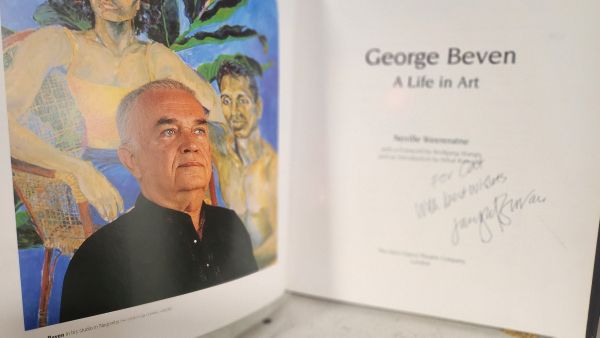
Re-writing history – the queer-washing of prolific Sri Lankan artist George Beven  ( PART ONE ) – by   Cat Clare Wright
Articles

Re-writing history – the queer-washing of prolific Sri Lankan artist George Beven ( PART ONE ) – by Cat Clare Wright

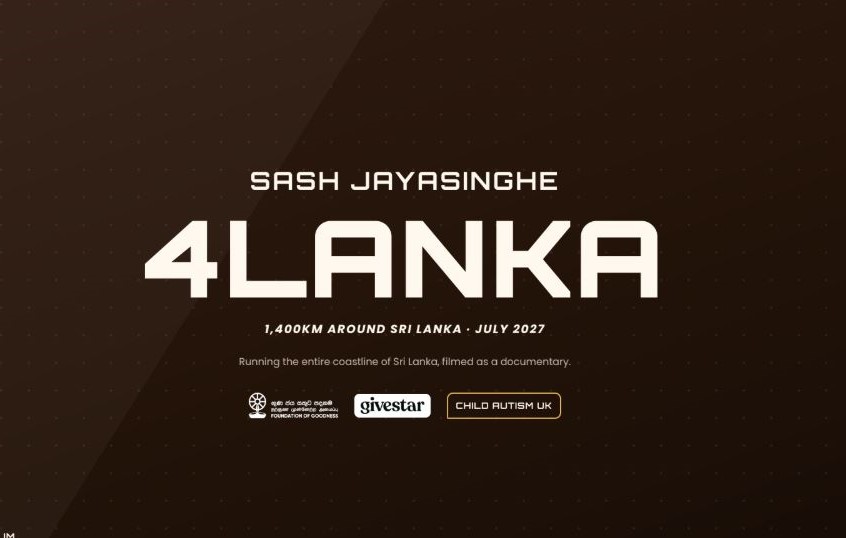
Sash Jayasinghe – 4LANKA 1,400KM Sri Lanka Run 2027
Articles

Sash Jayasinghe’s 4LANKA: 1,400KM Around Sri Lanka – July 2027

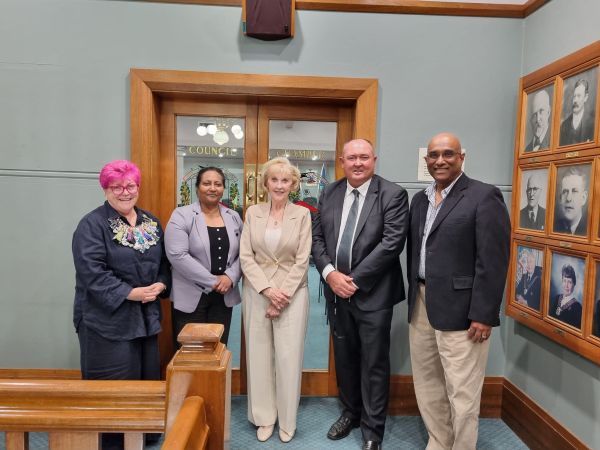
A Vision for Culturally Inclusive Aged Care-Pearl Life Care Meets with Hornsby Shire Council
Articles

A Vision for Culturally Inclusive Aged Care: Pearl Life Care Meets with Hornsby Shire Council

Janani Dananjana Wickramasinghe at Asian Para Games 2026
Articles

Janani Dananjana Wickramasinghe Carries Sri Lanka’s Medal Hopes in Three Events at the Asian Para Games 2026

Sri Lanka U19 Women
Articles

Limansa Thilakarathna and Sanjana Kavindi Lead Sri Lanka U-19 Women Past Pakistan for a Fourth Straight Win

  • Quick Links:
  • Articles
  • DESMOND KELLY
  • Dr Harold Gunatillake
  • English Videos
  • Sri Lanka
  • Sinhala Videos
  • Obituaries
  • eLanka Newsletters
  • Sunil Thenabadu
  • Trevine Rodrigo
  • Dr. Harold Gunatillake
  • Tamil Videos
  • Sinhala Movies
  • eLanka Newsletter
  • Photos

eLanka

Your Trusted Source for News & Community Stories: Stay connected with reliable updates, inspiring features, and breaking news. From politics and technology to culture, lifestyle, and events, eLanka brings you stories that matter — keeping you informed, engaged, and connected 24/7.
Kerrie road, Oatlands , NSW 2117 , Australia.
Email : info@eLanka.com.au / rasangivjes@gmail.com.
WhatsApp : +61402905275 / +94775882546
  • About eLanka
  • Terms & Conditions

Disclaimer:
eLanka is committed to sharing positive and community-focused stories. We do not publish or endorse political, religious, or ethnic viewpoints. The content published on eLanka, including articles and newsletters, reflects the opinions and views of the respective authors and not those of eLanka. eLanka accepts no responsibility or liability for the accuracy, completeness, or consequences of any content provided by contributors.

(c) 2005 – 2025 eLanka Pty Ltd. All Rights Reserved.