



Ten Years in Harmony: How Santani Helped Make Sri Lanka the World’s Fastest-Growing Wellness Destination

Image Source : www.lankabusinessnews.com
Sri Lanka has been named the world’s fastest-growing wellness destination for 2026, a significant international milestone that coincides with the tenth anniversary of Santani Wellness, the retreat widely credited with pioneering the modern Sri Lankan wellness tourism movement. Opened in 2016 as the country’s first purpose-built luxury wellness retreat, Santani demonstrated that Sri Lanka’s ancient healing traditions, natural landscapes and hospitality expertise could be brought together within a sophisticated, internationally relevant model of wellbeing.
The recognition is therefore more than an accolade for one property. It represents the maturation of an entire national proposition, in which Ayurveda, meditation, nutrition, movement, environmental sensitivity and restorative travel are being presented not as separate experiences, but as elements of a coherent wellness culture.
A retreat founded on a different understanding of wellbeing
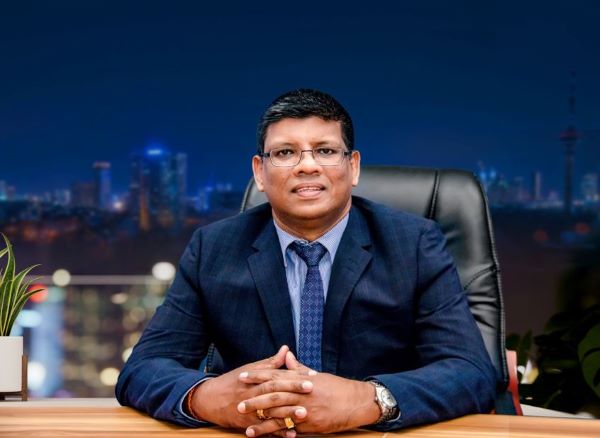
Santani was founded by Chief Executive Officer Vickum Nawagamuwage, whose vision was shaped by the conviction that genuine wellbeing requires space, time and understanding. Rather than treating wellness as a short-lived indulgence added to a conventional holiday, the retreat was conceived as a place where guests could step away from the pressures of modern life and engage with a more deliberate process of restoration.
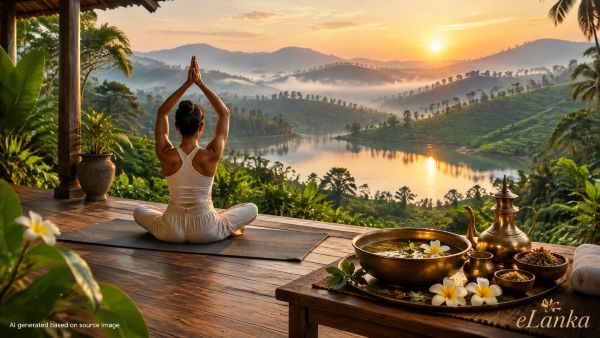
That principle influenced both the physical setting and the operating philosophy. Located amid the forested hills of central Sri Lanka, Santani was designed to work with its surroundings rather than overpower them, with open spaces, natural materials and carefully considered views creating an atmosphere of quiet separation from urban routines.
The model was also intentionally more comprehensive than a conventional spa. Sri Lanka’s Ayurvedic heritage was placed in conversation with contemporary health knowledge, while yoga, meditation, movement, sleep, nutrition and therapeutic care were incorporated into individually considered programmes. In this respect, Santani helped to establish a more expansive definition of hospitality, in which the quality of the guest experience is measured not only by accommodation, food or scenery, but also by the depth and relevance of the care provided.
Nawagamuwage has spoken publicly about the ambition to build Santani into a globally recognised wellness destination through adaptive wellness and sustainable hospitality. The concept acknowledges that wellbeing cannot be separated from the circumstances of modern life; instead, individuals must be given practical tools and informed support to create healthier patterns within those circumstances.

From an individual retreat to a national movement
When Santani opened, Sri Lanka was already known for its beaches, wildlife, historic sites and tea-country landscapes. However, the country’s potential as a destination for structured, high-quality wellness travel had not yet been fully articulated on the international stage.
Santani helped to change that perception by presenting Sri Lankan wellness through a premium and disciplined framework. The retreat’s approach made use of local knowledge and natural resources, yet it was communicated in a manner that was accessible to international travellers seeking evidence-informed, personalised and immersive experiences.
This positioning was instrumental. It showed that Sri Lanka’s Ayurvedic traditions could be integrated with contemporary expectations of design, environmental responsibility and professional care, while also demonstrating that a wellness property could be rooted in local identity without being limited to a purely traditional presentation.
Over the following decade, Santani’s international profile grew through global media attention and recognition from prominent travel and hospitality organisations. Those achievements helped to create a reference point for the wider sector, encouraging greater consideration of wellness as a central component of Sri Lanka’s tourism identity rather than a supplementary service.
The national opportunity remains considerable. Sri Lanka possesses a rare combination of biological diversity, therapeutic traditions, agricultural resources, coastal and mountainous environments, and a deeply established culture of hospitality. When these advantages are connected through consistent standards and skilled practitioners, the country can offer wellness experiences that are distinctive rather than interchangeable.
“10 Years in Harmony” marks a new chapter
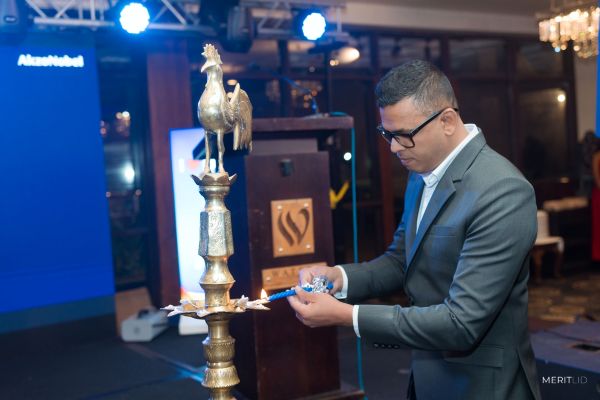
To mark its tenth anniversary, Santani has launched a year-long programme under the theme “10 Years in Harmony”. The anniversary initiative reflects the retreat’s original philosophy while also looking towards the next stage of international wellness practice.
A central feature of the programme is the Masters in Residence initiative, through which international wellness practitioners are being hosted at Santani to work alongside the resort’s local experts. Rather than relying solely on brief appearances or one-off workshops, the programme is structured around deeper engagement, allowing visiting practitioners and the resident team to exchange knowledge and develop more immersive experiences for guests.
The initiative is intended to broaden the retreat’s expertise across areas including movement, mindfulness, integrative healing and personal resilience. It also places international knowledge within a distinctly Sri Lankan setting, where local Ayurvedic understanding, landscape and hospitality remain central to the experience.
Alongside the residency programme, Santani has introduced two curated wellness pathways designed to provide greater structure for guests seeking a meaningful retreat. These pathways reflect the movement away from generic relaxation packages towards more purposeful programmes, in which each element is connected to a defined objective and supported by professional guidance.
For an industry increasingly concerned with measurable impact, personalisation and long-term change, this approach is well timed. It suggests that the future of wellness travel will be shaped not merely by attractive surroundings, but by the quality of the framework within which restoration takes place.

Michelin Key recognition strengthens Sri Lanka’s credentials
Santani’s anniversary has also been accompanied by another notable achievement: the retreat has earned Sri Lanka’s first Michelin Key for wellness. The recognition underlines the international standing that has been built over the past decade and reinforces the importance of specialised hospitality within the country’s evolving tourism sector.
A Michelin Key is particularly significant in the wellness context because it recognises more than visual appeal or conventional luxury. It draws attention to the character, quality and distinctiveness of the overall experience, including the manner in which a property expresses its setting and serves its guests.
For Sri Lanka, the distinction provides an important signal to international visitors who may be considering the country for a restorative journey. It indicates that the island’s wellness offerings can meet a high level of global scrutiny while retaining a strong connection to local knowledge and place.
The recognition may also benefit smaller Sri Lankan businesses working in Ayurveda, nutrition, yoga, meditation, organic agriculture, nature-based accommodation and specialist wellbeing services. As international awareness grows, a wider network of responsible operators could contribute to a more diverse and resilient wellness economy, provided that quality, authenticity and environmental care remain firmly protected.
A meaningful opportunity for Sri Lankans living overseas
The rise of Sri Lanka as a wellness destination presents a compelling opportunity for Sri Lankans living in Australia, the United Kingdom, the United States, Canada, New Zealand and elsewhere. For many members of the global Sri Lankan community, a visit to the country already carries emotional and cultural significance; a restorative retreat can add a further dimension to that connection.
The appeal is not limited to luxury travellers. Wellness-focused visits can be designed around shorter stays, family reconnection, Ayurvedic consultations, guided meditation, nature immersion, healthy cuisine or recovery from the pressures of professional life abroad. Sri Lankan wellness providers that understand the expectations of overseas visitors could develop services that combine cultural familiarity with clear standards, reliable communication and contemporary care.
This is also an area in which community platforms such as eLanka can play a useful role by highlighting credible Sri Lankan businesses, positive developments and opportunities that connect the global Sri Lankan community with the country’s evolving industries.
The next decade of Sri Lankan wellness
Santani’s first ten years have shown how one carefully conceived institution can influence the reputation of an entire destination. Its achievement lies not simply in creating a successful retreat, but in demonstrating that Sri Lanka could build a modern wellness identity around its own traditions, landscapes and people.
The country’s designation as the world’s fastest-growing wellness destination for 2026 provides momentum, but it should also encourage thoughtful development. Greater investment in practitioner training, transparent standards, sustainable resource use, regional infrastructure and cooperation among wellness businesses would help ensure that growth is both credible and widely beneficial.
The anniversary theme, “10 Years in Harmony”, is therefore an apt description of Santani’s contribution. It speaks to the relationship between ancient knowledge and contemporary practice, between personal wellbeing and environmental responsibility, and between one pioneering retreat and the wider national opportunity now emerging.
For Sri Lanka, the next decade could establish wellness as one of the island’s most distinctive international strengths. Santani’s pioneering journey has provided the opening chapter; the broader Sri Lankan wellness community now has the opportunity to develop the story with equal care, imagination and discipline.
Source: https://www.lankabusinessnews.com/ten-years-in-the-making-how-santani-pioneered-the-movement-that-made-sri-lanka-the-worldss-top-wellness-destination-in-2026/
Source: https://www.ft.lk/travel-tourism/Ten-years-in-making-How-Santani-pioneered-movement-that-made-Sri-Lanka-World-s-Top-Wellness-Destination-in-2026/27-796338
This article was written based on the source https://www.lankabusinessnews.com/ten-years-in-the-making-how-santani-pioneered-the-movement-that-made-sri-lanka-the-worldss-top-wellness-destination-in-2026/ and https://www.ft.lk/travel-tourism/Ten-years-in-making-How-Santani-pioneered-movement-that-made-Sri-Lanka-World-s-Top-Wellness-Destination-in-2026/27-796338, kindly email us at info@eLanka.com.au if any information needs to be corrected.
At eLanka, we respect the rights of creators. If we have used an image you own and you’d like it removed, please email us at info@elanka.com.au and we’ll handle it promptly.