The Burghers of Sri Lanka – by Minal Wickrematunge
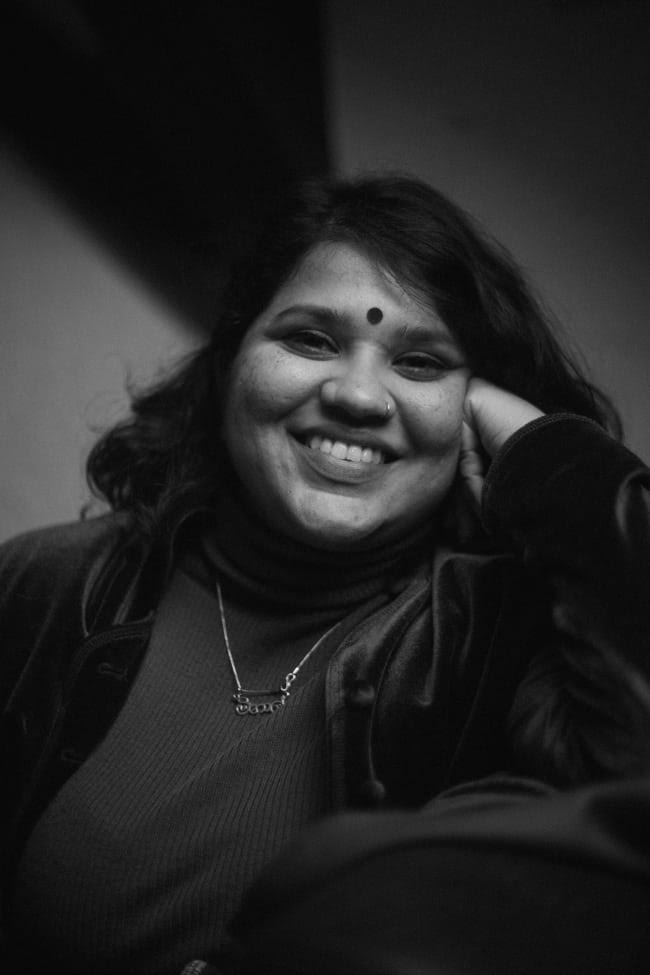
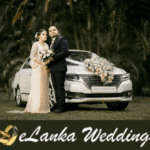
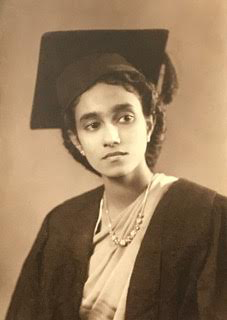
Photo source:Barefoot Gallery
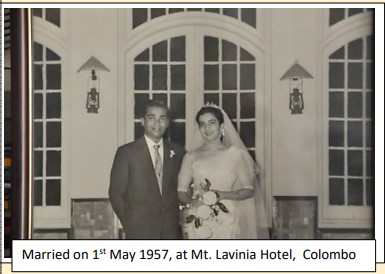
The Burghers are a ethnic group that are descendants of the Dutch, Portuguese and British, who married Ceylonese.
They have their own culture, food and worldview. Upon arriving in the Netherlands, I was puzzled at how little was known about the Burghers, especially as my mother has always been very proud of her Burgher upbringing, which is a topic of contention in our household.
Majority of the Burghers left the island after 1956, with the imposition of the ‘Sinhala (Language) Only’ Act. This Act excluded many minority communities that spoke their own languages such as Tamil, English and Malay speaking communities. With the emigration of most Burghers to Australia, Canada and England, the Burghers are slowly vanishing from Sri Lanka.
Furthermore with the changing socio-political culture as well as the inter-marrying of many ethnic groups in Sri Lanka, the Burgher descendants are now being ‘watered down’. Perhaps some Burghers do begin to question the ‘purity of the lineage’. Whilst compiling this video I was aware that the outlook on the Burghers is changing, especially between generations.
Transcript
Introduction
0:00
hi everyone my name is Minal when I came to the Netherlands I was really interested in learning about my mom’s
0:07
ancestry I was super interested to delve into a culture that has existed in Sri
0:14
Lanka for over 150 years so you can imagine my surprise then when I realized
0:22
that hardly anyone in the Netherlands knew that the Dutch existed and
0:27
colonized Sri Lanka for 50 years um and
0:32
that was really shocking to me particularly because my mother is extremely proud of her Dutch Heritage my
0:41
mother is Burger which is um an ethnic group that exists after the colonizers
0:48
or the settlers intermixed and married with Salon um or
0:55
Selen and for me when I realized that not only did they not know about the
1:01
burgers but they didn’t know about the fact that they colonized us for 150
1:06
years I was really taken aback the burgers have their own culture tradition
1:13
language and they’ve really added to Sri Lanka’s history when I was in school I
1:22
was taught about all the different colonizers of my Island uh namely the
1:29
Portuguese British and the Dutch and what I realized was this history is not
1:35
really taught everywhere and is largely dependent on which part of the world you
1:41
come from and where you’re studying I decided I wanted to interview some burgers that I knew particularly Dutch
1:49
Burgers here in the Netherlands but also all over the world um and what of the
1:56
reasons they’re all over the world and hardly any exist or very few exist in Columbo
2:04
is because there was a language act called the singular only act which
2:09
really meant that a lot of the burgers who primarily spoke English weren’t able
2:15
to exist and work in Sri Lanka anymore so there was a large migration of burgers and so I decided to ask many
2:24
burgers from all over the world what it meant to exist as a part of this ethnic
2:29
group that is slowly being um diluted or wiped out or slowly dying I hope after
2:37
this video it is clear that Dutch and Sri Lankan cultures are so
2:46
interwined and I really hope that people learned a lot from this video as well as
2:52
I hope that we put an end to the systemic Erasure of my people and
2:59
celebrate the various diverse cultures that have existed in our histories hi
Meet Melanie
3:06
there my name’s Melanie laa uh I was Melanie dilwa uh I live in Melbourne in
3:12
Australia I’m 56 years old and both my parents uh were Burger Dutch burgers and
3:20
grew up in Salon as they knew it they migrated to Melbourne in Australia in
3:27
1959 um my mom was in her mid 20s and my dad was I think around 30 I actually
3:34
identify as being Australian with a Heritage of uh Dutch burger and I’m very
3:41
curious to learn more about my ancestors and uh the wonderful colorful uh Rich
3:49
tapestry that makes up our family and um yeah so if anyone asks me I say yes um
3:57
I’m Australian however my heritage teach is seles and I do refer to it as sanes
4:04
uh because when my parents left Salon it was salon and they identified with it that way and uh so I suppose that’s how
4:13
I refer to it and I do explain the different cultural groups that are in Sri Lanka and what that’s made up of and
4:21
how that looks um because obviously people who don’t have um any knowledge
4:27
or um familiarity with it don’t know so um and and it’s an interesting
4:32
conversation to have and I’ve always love to talk about it so um I I do um
4:39
feel happy to belong to this cultural background and as I say I would really
4:45
love to learn more about it and um I have just recently started researching
4:51
um my uh ancestors and trying to peace together uh on both sides of my family
4:58
and on my husband’s side of the family as well he’s um he’s half San uh and his
5:05
mother was Australian lady who was from a British background so we have some
5:12
very interesting conversations and we actually have four children and uh they
5:17
all look um they’re very fair we have two children that have blue eyes and two
5:24
children that have really dark brown eyes they’ve all got sort of dark brown hair but the eyes in particular always a
5:30
talking point when people meet them and because my husband and I both have very dark eyes so um I I feel like the
5:39
burgers are dying out as an ethnic group and and I think that’s actually really sad because I think it would be really
5:45
lovely to be able to um learn more about the Dutch burgers and the history of
5:52
where people came from in the Netherlands and how um they sort of scattered throughout the world and it is
5:59
a fabulous thing that we have family right throughout the world in different parts and um I’m so thankful for that
6:07
and it as I say it makes up for a very rich tapestry and uh yeah my dad talked
6:14
about um the family heritage and he didn’t always give a lot of information
6:20
about family history but in terms of being from a Dutch Burger background we
6:26
were very um very aware that that’s where we came from so um yeah um and and
6:34
I’ve shared that with our children and uh yeah it’s it’s a very interesting talking point hello my name is Maran
Meet Maran
6:43
M I’m min’s M and of course I’m proud to be a burger
6:50
because uh my mother instill than the burger the Dutch burgers were something
6:57
special um I read to a Catholic Convent that was run by Irish nuns and most of
7:05
my 90% of my classmates were burgers and um yes but I’m sad that they
7:13
they don’t leave here any longer because they are my closest friends and um uh whatever it is uh they
7:22
were always smartly dressed and uh I think the parents are more lenient so uh
7:28
even we were accused of being brought up like westerners by my uncles because my
7:34
father is a Tamil and uh I mean the food we ate also
7:41
was a bit different to the normal Sri Lankan rice and Curry it was influenced
7:47
by Western food and burgers were known for being very jol and uh always ready
7:55
for a good time and there was plenty of music music and song and parties and
8:02
dancing whenever at the drop of a hat I would say uh I
8:08
remember my grandmother would come who was Irish Dutch would come in stockings
8:14
with a hat and gloves to see her even though it was extremely caught being in
8:19
the tropics my mother converted to Roman Catholic when she married my
8:26
father uh so all the Anglican and the church of England people would be going
8:32
to church with the gloves and the hats and the fitted dresses and my mother
8:37
would say what do they think they’re going for a party I think maybe she was a bit
8:43
envious that she couldn’t dress like that to our church there are lots of phrases that my
8:49
classmates remember like fuig graphing and gallivanting um which are definitely
8:57
Burger phrases what do those mean gallivanting is going
9:02
for a good lovea and fuig graphing means Doling and anyway and uh there are lots
9:12
of Dutch Portuguese and you know the different Racers that came here uh the
9:20
food we continue to make like the most famous is Lum pry and then love C and
9:29
puffies and fradel and there are so many things and even the words and even the
9:36
style of our house is Portuguese with a M midula which is a garden in the center
9:42
anyway uh I really miss the burgers here especially now that I’m getting
9:48
older uh uh they were much more hospitable and I would say they had a
9:56
bit more finish than the other as my mother would say the natives she
10:02
called them the native and they used to be giggling away and used to go on telling her no you’re
10:09
not a Dutch BG I think you’re Portuguese and then she would almost erupt with
10:15
range so it was considered prestigious to be a Dutch
10:20
burger and like Min sister Isa has gray eyes and she’s very fair skinned so
10:27
obviously from my grandmother and I think we are also lighter skinned
10:33
than the other uh Racers here yes but I I think anyway we really
10:41
regret that the burgers are not around because they were such fun and warm
10:48
people so do you feel any sense of guilt
10:53
of being uh a burger do
10:59
no I don’t feel any guilt un like grandmother was up to no good but no
11:05
because of colonization because you know their descendants of colonizers yes of
11:10
course yes but anyway whatever it is the people who colonized us we still have
11:17
remnants of what the good they did the roads the railways the
11:22
plantations I mean we would have had all that if not for these people because I
11:29
don’t think our people of are capable of that because there is a lot of
11:34
corruption going on so uh yes and not everybody went my
11:42
classmates are left because uh they kept the English system to
11:47
you yeah that was after the 1956 yes sing on on the ACT yeah oh
11:54
that’s enough yeah the the last question is do you feel like the burgers are a
12:00
dying community in Sri Lanka yes I think so because now you want to get the older people who are
12:07
here uh most of the younger ones are overseas but I must say some of them I know some of them who have come back and
12:15
they’re very comfortable here because whatever it is this is our home and I
12:21
mean I suppose we feel uh more at ease here although
12:27
everything is at chaotic but I think uh
Meet Ratna
12:34
yes hi everyone I am ratonga in uh terms of my
12:42
identity uh my father is single a Buddhist and my mother is half Dutch
12:47
burger and half Zak Tamil in terms of the Dutch Burger part of my
12:53
identity um I honestly have very mixed feelings about it simply because um um
13:00
it is the most visible part of my identity because I have uh fair skin and light eyes um which is prized as a sign
13:09
of beauty in both Sri Lanka and the broader South Asian region um but that is also kind of the
13:17
impact of colonization Sri Lanka has um you know been subject to Colonial rule
13:23
by the British the DBS and the Portuguese um so in the present day I
13:30
would say that I’m looked at as a bit of a curiosity I’ve had people Express surprise that I’m Sri Lankan um when
13:37
they speak to me I’ve also had a lot of people tell me that they don’t consider me Sri Lankan because I don’t get that
13:45
idea of what being Sri Lanka with what Sri Lankan is um Sri Lanka has a history
13:51
of civil war between the majority singes and the minority Tamil
13:57
communities and perhaps as a result of this war and the polarization around it
14:03
it’s resulted in um the government and uh many others pushing an identity that
14:09
is almost uniformly signalized and anyone we’ve seen as a falling outside
14:15
that is often looked at with um suspicion um and that has been my kind
14:21
of experience as well however because we are you know seen as kind of a of
14:29
colonization and we have historically had privileged positions in society as a
14:35
result of that um we are just sort of seen as Curiosities um I would say hostility
14:42
most often emerges when people ask me to speak in singes or say that my Singler
14:49
is not good enough by their estimation because um I have a singular last name
14:55
since my father is singer is um which I I think it’s sad because it is an eraser
15:01
of um my mother’s identity which is also part of my identity I would consider
15:07
myself mixed but according to our Government Census I am recorded as
15:12
single Buddhist because of my father’s ethnicity um and I do think that’s sad
15:19
because we are a multiethnic multi- religious society and we have many
15:24
communities living here um including within the burger community we have both Dutch and Portuguese Burgers here um
15:33
there are many different languages spoken here um not just SES and Tamil we
15:39
also have Malay spoken here um and the Dutch Burgers have their own kind of
15:45
Copalis in English um which you don’t see the majority use and we have a Malay
15:52
Community here as well so in these attempts to make me speak either single
15:58
or camill um I see that there is this kind of compartmentalizing um which refuses to
16:05
accept the diversity of communities that Li here um and I do think that we should
16:11
try to preserve some aspects of um dsur
16:16
identity as well without necessarily hanging on to the kind of colonial
16:21
mindsets that uh led to the you know the creation of these communities I do think
16:28
that in terms of food language culture uh there’s a lot that the dsb community
16:35
contributes to Sanka and um I also think that I wish
16:41
that our country would see um our diversity as something positive rather
16:47
than something to be suspicious of or hostile to my name is Roselle Harvey I
Meet Roselle
16:52
was a Miss B I live in Sydney now for the last 50 years we my ated to
16:59
Australia in 1974 when I was 18 I am regarded as a burer
17:07
because my mother is a miss Ben lenberg so her ancestors were Dutch and on my
17:15
father’s side his ancestors were Welsh and his name was
17:21
bent When I visit Sri Lanka now um people are surprised that I am Lanka
17:29
and because um most Burgers have migrated from Sri Lanka and there are
17:36
not many left there and so the people are not familiar with Burgers when I lived there there were
17:43
many more burgers around and so it wasn’t uncommon to be known as a burger or people to know burgers burgers are a
17:51
mixed race they have Western Traditions as well as
17:59
Asian Sri Lankan
18:05
Traditions I am proud to be a burger but I am sad that the burger
18:13
is is a dying Grace there AR many burgers in shanka because many of them
18:19
left when though sing H policy was brought in all of us Burgers studied in English
18:29
and our first language was English but when the singular only came in it was
18:37
very hard for Burger families to uh continue living there especially
18:44
for their children who were used to studying in English and then had to revert to sing therefore there was a a
18:53
very big migration of the burgers to countries like England Canada and
19:01
Australia and therefore a lot of people now in Sri Lanka especially the very
19:08
young generation don’t even know who burgers are so I think we are a dying
19:14
race and that makes me very sad because I think we contributed to
19:22
the um culture and the community in Sri Lanka in our own
19:29
way hey everyone my name is Ban bogra and um I’m 34 years old and live in per
Meet Ban
19:36
Western Australia um Alan Burger um my dad’s U
19:41
my dad’s Burger my mom’s sing Le um my dad’s grandfather so my great-grandfather was from prand in um
19:50
in Holland and moved over to um to Indonesia for work to work for the Dutch
19:56
Embassy over there from m understand and then mov to Sri Lanka there after the W the ERS in Sri Lanka um which is where I
20:03
met my great grandmother um so do people in shanka
20:09
ask me where I’m from I have got that before um I think most of the time when people when I was living in shanka
20:16
people would speak to me um I think they would one from my name and two um just
20:21
from my I guess the lighter the lighter eyes and my very poor single um they
20:26
would guess that I’m a Burger but I have got asked a question where I’m from um
20:32
which is quite funny particularly when I’m at the Sri Lankan airport traveling and uh um the security pulled me aside
20:38
and ask me where I’m from so um I definitely do get that question how do I feel about being part
20:46
of um the the ethnic group and where um I’d say yeah I I do feel proud to be
20:54
part of theic group um I mean it is um it’s a minority group in Sri Lanka so I
21:00
think I’m I’m definitely proud of being part of that group and it’s probably not
21:06
as um I think the tradition the Customs are not as strong as um some of the
21:13
other ethnic groups in the country for sure um and but yeah I’m I’m so proud to
21:18
be a be a burger um I haven’t lived in the country for a while now so I I
21:25
wouldn’t be surprised if I if it is a a dying ethnic group in that sense and I
21:31
think that’s partly because of globalization everyone’s Bing around everyone’s mixing around as well um and
21:36
like I said at least with my family there hasn’t been a very strong traditional Customs associated with with
21:44
burgers in that sense um and and hence it’s yeah without the strong customs and
21:51
connections um any ethnic group would um other the ties of that would slowly
21:57
dissipate hello my name is De Parker I’m 68 years old and I live in Lancashire in
22:05
the northwest of England my father is a descendant of the Dutch colonization of silon or Sri Lanka
22:12
as it is now known his surname is shopman descended from Young amens
22:19
shopman Foreman of ship Carpenters of the Dutch East India Company he was born
22:25
in Amsterdam and was living in s on in 1697 when he married jeina Roland
22:33
daughter of dominicus Roland of G this genealogy of the schopman family
22:40
in sonon was first compiled by a Mr
22:46
bendor and is held in the Dutch Burger Club in Columbo my mother is also Dutch Burger
22:53
her name Ma name is fny twest both my parents are dead now I have a brother
23:00
who lives in with his family in Melbourne in Australia my sister lives in England and we have both married to
23:08
Englishmen my paternal grandparents attended the D fored Church in cinnamon
23:14
garden and entertained their annual Christmas carow singers to Sher and Cake
23:20
each December during my school years a large
23:25
number of the burgers lets the country to Res settled abroad mostly in
23:31
Australia and also in England and Canada I am proud of my burger Heritage
23:38
with a Sri Lankan within a Sri Lankan nationality and as a dut descendant I
23:44
enjoy visiting Amsterdam hello my name is Sonia Co I’m
Meet Sonia
23:51
63 years of age and I live in Sri Lanka now both my parents are Burgers my
23:57
my father’s ancestors came to Sri Lanka from Brandenburg in East Germany in the
24:03
1700s and my mother has a Portuguese ancestry now I speak singes quite
24:10
fluently but most often than not I’m mistaken for a foreigner I’m proud of my ancestry and
24:19
for the contribution the burgers have made to Sri Lanka’s cultural
24:26
diversity the burgers a dying race both here and abroad hello my name
Meet Anna
24:33
is Anna wbe and I identify as a Dutch Burger amongst other THS my mom is half
24:40
English and half Portuguese burger and my dad is a Dutch Burger which makes me
24:47
100% Colonial colonist on all sides to make it slightly more
24:53
complicated um I was born in Sweden and I lived in Spain and I currently live in
24:59
Amsterdam in the Netherlands where I have been for the last 8 years so when I’m in Sanka people often do ask me
25:06
where I’m from and they presume India or they guess India um and recently in the last few
25:13
years I’ve started responding with I’m a burger and that immediately answers all their questions they can put me in a box
25:20
and I think for them it helps qualify my youngness um because as you would have
25:27
learned throughout this video burgers are not the majority singam these nor Tamil but we are a separate ethnic group
25:34
which has afforded us uh and and myself as well quite a lot of privileges um
25:40
unearned privilege of course from colonialism as well a concrete example of that would be living in Sri Lanka
25:47
growing up during the Civil War uh in Columbo we had lots of military checkpoints where they would check your
25:54
ID um and just from my name um my surname they can tell that I’m not
26:00
singes or Tamil and I did I was not hassled I wasn’t question further uh
26:07
which was a huge privilege um of course having a European passport as well uh
26:12
played a significant role but within Sanka the burgers historically were
26:19
um often given positions of power they were more westernized their first language or our first language is
26:26
usually English and women tend to wear trousers drink and smoke the idea of um
26:35
bger women liking a good party and the men too is quite true and I would say I
26:41
definitely embody that aspect of the burger ethnicity I have uh mixed feelings about
26:48
being a Dutch burger and it’s definitely being a label or an identity that I’ve
26:53
had to kind of come to turns with and explore as well a little bit
26:58
um over the last few years as I mentioned Dutch burgers are privileged
27:04
um but there is also within Dutch Burgers there is a
27:10
hierarchy as well between the Dutch Burgers the Portuguese and the British and there is the sale um which
27:18
people I know say quite often that says you’re either a Dutch Burger A M burger or a such
27:24
Burger it is those kind of entist ideals which I have struggled with um it is
27:31
something maybe now that the current generation us nowadays are are coming to
27:36
turns with and we are uh looking at a little bit more um particularly because of my work
27:43
uh I work in diversity equity and inclusion so examining power and power
27:48
structures is a big part of the work that I do and I had to do that work um
27:54
myself uh on my identity as well and on how I felt about the
28:02
colonial the colonial history of my ancestors on all
28:07
sides in terms of do I think burgers are a dying ethnic group um probably yes in
28:14
Sri Lanka a lot of burgers did eat Sri Lanka as you’ve heard um including most of my my dad’s side in the family they
28:21
all live in Australia but for me um I think the more important question or the more question
28:28
is not uh are the burgers die out it’s at least here in the Netherlands for our
28:33
currently unit do people even know the burgers exist having lived here for8 years um I was shocked when I came and I
28:42
discovered people often don’t even know that Sri Lanka was colonized they are aware of other Dutch colonies but Sri
28:48
Lanka seems to be uh less talked in history um I have to say everyone who
28:55
I’ve spoken to are always very interested and want to learn more but it’s not something that they often know
29:01
uh and if people do know that Sri Lanka was a Dutch Colony most people have never heard of the Dutch Burgers so that has been an
29:09
ongoing you could call it a frustration but also an ambition to try and get the
29:14
word out there and to get people to see the strong ties which still exist in Sri Lanka today between Sri Lanka and the
29:22
naans um we have so many Dutch influences in Sri Lanka from the food to
29:29
the broad names Bloom and doll Del um fronds there’s so much um Pride as well
29:38
in within the Dutch Burgers of their Dutch Heritage and while it is complex
29:44
um and there are elements that are due to privilege um an unmaned
29:52
privilege I do think it’s important that people know that this ethnic group still exists
29:58
and so for me it’s very important that this message gets out and of course I don’t blame anyone for not knowing that
30:04
sria was a colony of the Netherlands it was a big part of my history because that is the island uh where I’m from but
30:12
I am really happy to be a part of this and to help people see the ongoing ties
30:17
that shunka and the Netherlands have it is clear that Dutch and Sri Lankan cultures are so intertwined therefore I
30:26
believe it is integral for reparations to take place to put a stop to the systemic Erasure of my people to
30:34
celebrate our diverse cultures
30:40
together