


The Ghosts of Mount Mary: A Forgotten Railway Legacy
Article source: website administered by Sukumar Shan
Image Source: Kevin Melder
Colombo’s history is not always found in grand landmarks. Sometimes, it exists quietly within the forgotten neighbourhoods—like Mount Mary in Dematagoda.
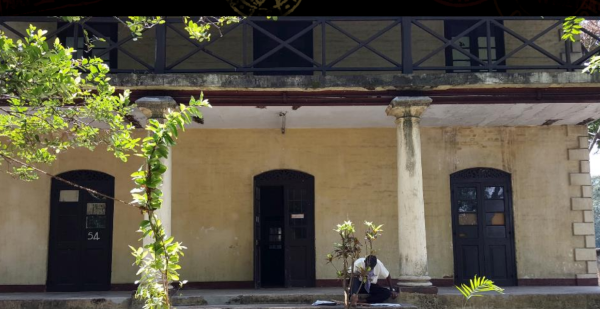
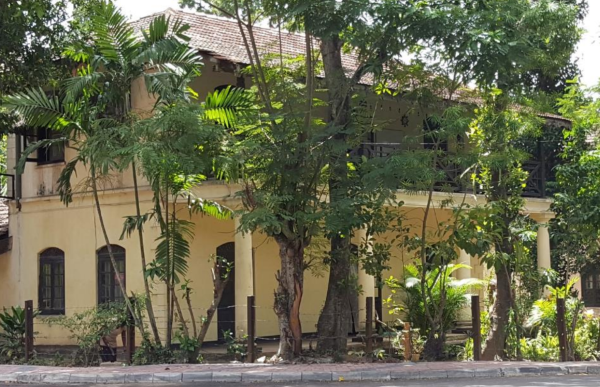
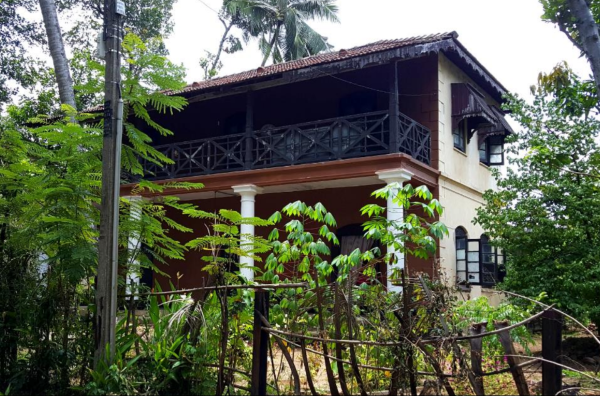
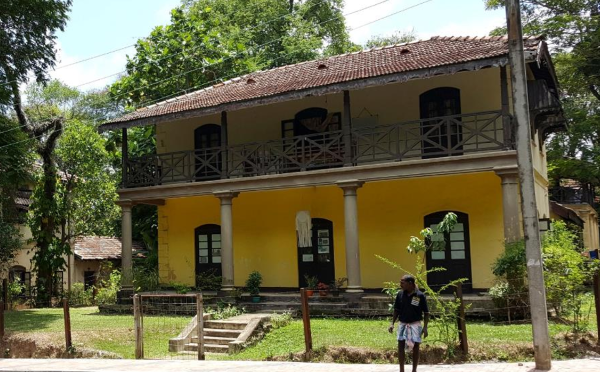
Built during the height of the railway era, these “Little English” bungalows were once the heartbeat of a community defined by routine, labour, and a shared culture. The Sri Lanka Railway—originally the Ceylon Government Railways (CGR)—was conceived in the 1850s, with service beginning in 1864. While it was initially built as an industrial artery to transport tea and coffee from the hill country to the port of Colombo, the railway soon became the lifeblood of the nation.
By the 1960s, the railway had transformed: passenger traffic overtook freight as the primary source of revenue, turning the CGR into the essential commuter lifeline that still keeps Colombo moving today.
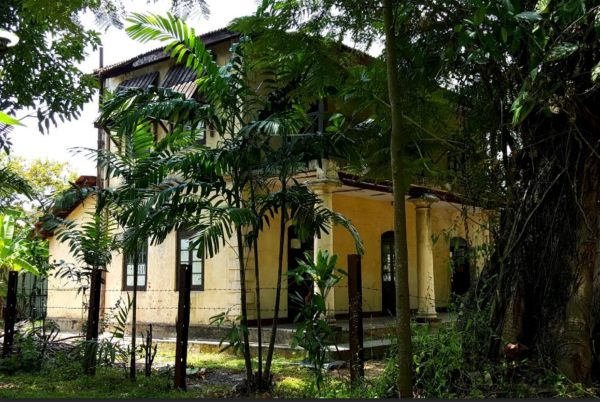
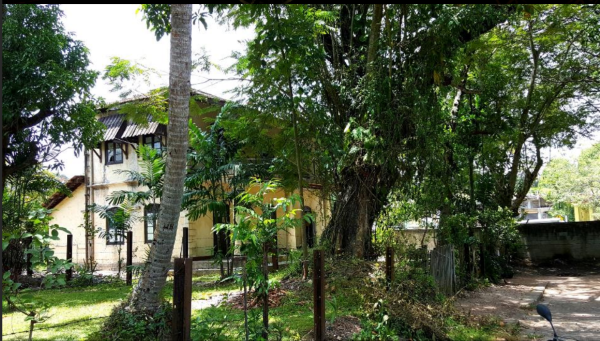
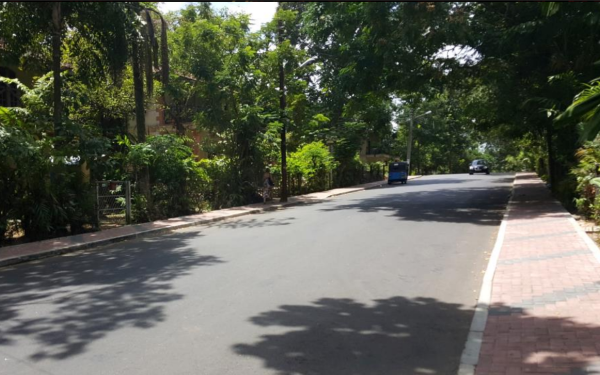
Nestled in the city, Mount Mary remains a captivating, albeit weathered, historical landmark. In its prime, it was known for its distinct architecture and the lush greenery that shaded the workers’ bungalows. Though it was never officially labelled “Mount Mary” on a government map, the name stuck—a reflection of how the place felt to those who called it home, an elevated sanctuary rising above the urban hustle.
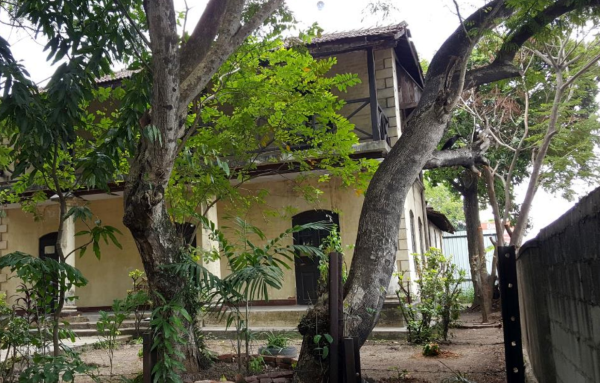
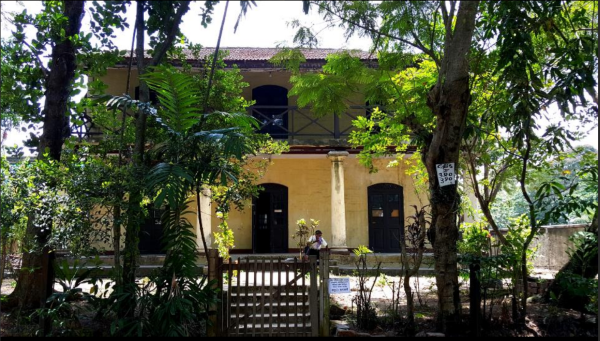
Today, parts of these quarters still stand. They are not preserved, nor restored. But they remain—a quiet, enduring testament to the era that built modern Sri Lanka.
- The Hierarchy of Housing
In the 1960s, the Railway Department was the largest employer in the country. Housing was not random; it was strictly hierarchical and assigned based on job grade:
- The “Staff” Quarters: Higher-ranking officials (Station Masters, Workshop Foremen, Running Shed Inspectors and engine drivers) occupied the larger bungalows with expansive verandas and private gardens.
- The “Line” Quarters: The smaller, terraced, or semi-detached units were for the skilled labourers, workshop staff.
- The Dematagoda Community: Dematagoda was the “heart” of the CGR. It housed the Running Shed and the workshops. The quarters were a “city within a city.” The staff lived, shopped, worshipped (often at the local railway-staff-focused churches or temples), and socialized with other railway families. Nestled near the bustling Dematagoda railway yard, the Mount Mary enclave encompasses approximately 11 acres (4.4 hectares) and contains 66 residential quarters. Built during the British colonial period to provide comfortable accommodation for railway officials, these “Little English” bungalows featured a cost-effective design that was replicated in other regional hubs like Kurunegala and Anuradhapura.
- The Architecture (The “British” Style)
The quarters you see were designed with a specific colonial philosophy:
- Thermal Comfort: Thick brick walls and high ceilings were essential before air conditioning. The “dark green” roof aesthetic was a standard choice for colonial-era roofs to absorb heat and minimize glare.
- Shared Spaces: Look for the “open” feel. Many of these units featured long verandas (the “thinnai” or “aisle”) that functioned as the primary social space. In the 1960s, these verandas were where neighbors sat in the evenings, discussed the day’s train schedules, and watched the children play in the communal open spaces between the bungalows.
- Why the 1960s were the “Golden Age” for these quarters
- Before the Nationalization Strain: While CGR was nationalized in 1948, the 1960s was a period of stability before the economic pressures of the late 70s and 80s hit. The railway quarters were still well-maintained by the government at this time.
- The Railway Identity: In the 60s, being a “Railway Man” was a status symbol. There was immense pride in the uniform and the work. The quarters were meticulously kept—gardens were vegetable patches, and fences were whitewashed. A culture of “discipline” and “punctuality” blossomed —because everything on the railway ran by the clock. While some families lived in the quarters, others opted for private accommodation to maintain their independence from the railway’s constant demands.
- The Name “Mount Mary”
You might find that the name “Mount Mary” stems from the religious influence (Catholic/Christian heritage) often found in these railway enclaves. Colonial-era railway housing projects were often built near churches or missions to cater to the predominantly Christian staff of that era. The name “Mount” suggests the slight elevation of the land, which was common in these housing projects to avoid the flooding of the lower-lying railway yards. - Present Day Legacy
Over time, the name “Mount Mary” stuck—not as an official designation, but as a reflection of how the enclave felt to those who lived and worked there.
Today, portions of this site remain standing. They are neither fully preserved nor officially restored, but they continue to exist as a quiet, charming testament to Colombo’s industrial and architectural heritage
Trading Mastery with Andrew Barnett
Sponsored · Paid for by TRADING MASTERY PTY LTD
[ ] If you want to know which Aussie stocks delivered the biggest returns, kept raising dividends, and were likely missed by your