The Moringa Tree: Nature’s Miracle – By Nadeeka – eLanka
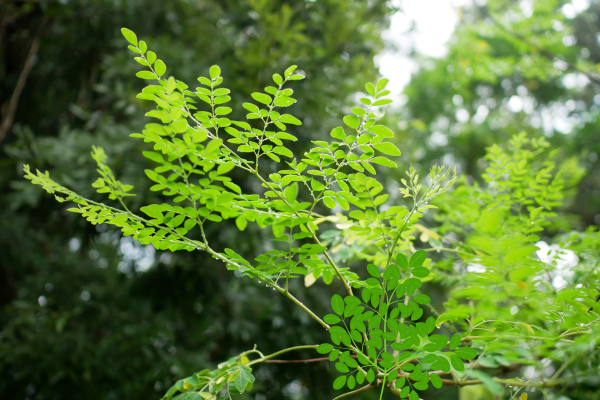
The Moringa tree, scientifically known as Moringa oleifera, is a highly versatile and beneficial plant that has earned the moniker “Miracle Tree” for its exceptional nutritional, medicinal, and environmental benefits. Native to parts of Africa and Asia, this hardy tree has become a staple in various cultures and agricultural systems due to its remarkable adaptability and the wide range of uses for its leaves, pods, seeds, and roots. This comprehensive exploration delves into the origins, cultivation, nutritional profile, medicinal uses, economic importance, environmental impact, and cultural significance of the Moringa tree.
Origins and History
Moringa oleifera is indigenous to the Himalayan foothills of northern India, where it has been cultivated for thousands of years. Historical records suggest that the ancient Egyptians, Greeks, and Romans were familiar with Moringa and used it for its therapeutic properties and as a source of nutrition. The tree’s ability to thrive in harsh conditions made it an invaluable resource in arid and semi-arid regions, where food and water security are often critical issues. Today, Moringa is cultivated worldwide, particularly in tropical and subtropical regions, including Africa, Southeast Asia, and Central and South America.
In many cultures, Moringa has been celebrated as a “tree of life.” Its leaves, pods, seeds, and even roots have been used in traditional medicine and culinary practices. In India, Ayurveda has long utilized Moringa for its antifungal, antiviral, antidepressant, and anti-inflammatory properties. African traditional medicine systems also employ various parts of the tree to treat malnutrition, infections, and other health conditions. This historical usage underscores Moringa’s importance as a natural remedy and nutritional supplement.
Cultivation and Growth
Moringa oleifera is a fast-growing, drought-resistant tree that can reach heights of 10-12 meters with a trunk diameter of about 45 centimeters. The tree has a distinctive appearance, with delicate, fern-like leaves, fragrant white flowers, and long, slender pods that contain its seeds. Moringa is highly adaptable and can grow in a variety of soil types, including poor, sandy, and rocky soils. It thrives in well-drained loamy or sandy soils with a pH between 6.3 and 7.0 and prefers temperatures between 25-35°C (77-95°F), although it can tolerate temperatures as high as 48°C (118°F).
Propagation of Moringa can be done through seeds or cuttings. Seeds are typically sown directly into the ground or in containers and then transplanted after germination. Cuttings from mature trees can also be planted directly into the soil. One of the tree’s remarkable characteristics is its rapid growth rate; seedlings can grow to a height of 1-2 meters within six months. Minimal maintenance is required once the tree is established, making it an attractive option for sustainable agriculture.
Harvesting Moringa involves regular pruning to promote branching and leaf production. Leaves can be harvested once the tree reaches a height of 1.5-2 meters, while pods are typically harvested when they are young and tender, around 6-8 weeks after flowering. Mature seeds are collected for oil extraction and further propagation. The ease of cultivation and maintenance makes Moringa an excellent crop for small-scale farmers and large agricultural operations alike.
Nutritional Profile
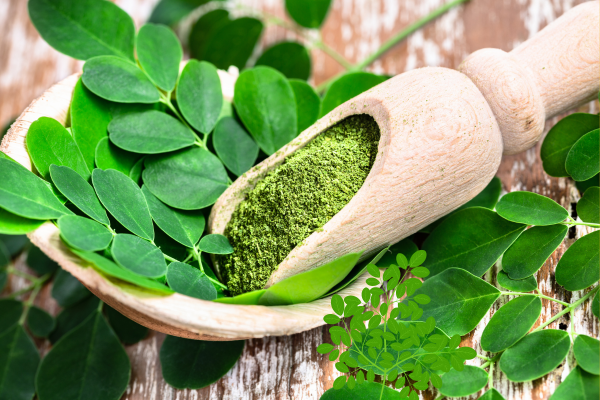
The nutritional content of Moringa is impressive and contributes to its reputation as a superfood. The leaves, in particular, are exceptionally nutrient-dense. They are rich in vitamins A, C, and E, calcium, potassium, protein, and antioxidants. For example, a 100-gram serving of fresh Moringa leaves provides approximately 64 calories, 9.4 grams of protein, 1.4 grams of fat, 8.3 grams of carbohydrates, 2 grams of fiber, 185 milligrams of calcium, 51.7 milligrams of vitamin C, and 7564 IU of vitamin A. This nutritional profile makes Moringa leaves an excellent dietary supplement, especially in regions where malnutrition is prevalent.
The immature pods, also known as drumsticks, are another valuable part of the tree. They are a staple in Indian cuisine and are rich in vitamin C, dietary fiber, and potassium. A 100-gram serving of fresh pods provides approximately 37 calories, 2.1 grams of protein, 0.2 grams of fat, 8.2 grams of carbohydrates, 3.2 grams of fiber, 30 milligrams of calcium, and 141 milligrams of vitamin C. The pods’ high vitamin C content is particularly noteworthy, as it plays a crucial role in boosting the immune system and promoting overall health.
Moringa seeds are also nutrient-packed and have a high oil content. They contain protein, vitamins, and minerals and are particularly rich in oleic acid, a beneficial fatty acid. A 100-gram serving of dried seeds provides approximately 367 calories, 30.4 grams of protein, 34.7 grams of fat, 8.5 grams of carbohydrates, 2.8 grams of fiber, 250 milligrams of calcium, and 7 milligrams of vitamin C. The seeds’ oil, known as Ben oil, is used in cooking, cosmetics, and as an industrial lubricant, adding to the tree’s economic value.
Medicinal Uses
Moringa’s medicinal properties have been recognized in traditional medicine systems for centuries. In India, Ayurveda uses Moringa for its antifungal, antiviral, antidepressant, and anti-inflammatory effects. The leaves, seeds, and roots are used to treat a variety of ailments, including malnutrition, infections, and chronic diseases. In African traditional medicine, Moringa is employed to address malnutrition, diarrhea, skin infections, and respiratory issues. The Philippines also uses Moringa leaves to increase milk production in breastfeeding mothers.
Modern scientific research has validated many of these traditional uses and uncovered additional health benefits. For example, studies have shown that Moringa leaf powder can reduce blood glucose levels and improve insulin sensitivity, making it beneficial for managing diabetes. Moringa leaf extract has also been shown to lower cholesterol levels, reduce the risk of cardiovascular diseases, and exhibit antimicrobial activity against various bacteria, fungi, and viruses. Furthermore, compounds such as niazimicin in Moringa have demonstrated anticancer properties by inhibiting cancer cell growth.
The neuroprotective effects of Moringa leaf extract are another area of interest. Research suggests that Moringa may protect against neurodegenerative diseases such as Alzheimer’s, potentially due to its high antioxidant content and anti-inflammatory properties. These findings highlight Moringa’s potential as a natural remedy for a wide range of health conditions and its role in promoting overall wellness.
Economic Importance
Moringa cultivation offers significant economic benefits, particularly for small-scale farmers and rural communities. The tree’s various parts, including leaves, pods, seeds, and oil, can be sold for income, providing a valuable source of revenue. Moringa can be intercropped with other crops, improving overall farm productivity and soil health. Its leaves and seeds are also used as a high-protein feed supplement for livestock, enhancing their growth and milk production.
Industrial uses of Moringa further contribute to its economic importance. The seeds yield a high-quality oil known as Ben oil, which is used in cooking, cosmetics, and industrial lubricants. The tree’s biomass can also be converted into biogas, providing a renewable energy source. These applications highlight Moringa’s versatility and potential to contribute to sustainable development and economic growth.
Moringa cultivation and processing create employment opportunities, particularly in rural areas where economic opportunities may be limited. Small-scale enterprises can be established to produce and market Moringa-based products, such as nutritional supplements, herbal remedies, and skincare products. These businesses can promote economic empowerment, especially for women, who often play a central role in Moringa farming and value-added processing.
Environmental Impact
Moringa trees play a vital role in soil conservation and environmental sustainability. The tree’s extensive root system helps prevent soil erosion and stabilizes riverbanks and slopes. Moringa also improves soil fertility through nitrogen fixation and the addition of organic matter from fallen leaves. These properties make it an excellent choice for agroforestry systems and reforestation projects, particularly in degraded and deforested areas.
Moringa’s resilience to drought makes it an ideal crop for arid and semi-arid regions, supporting food security and livelihoods in these challenging environments. The tree’s ability to absorb carbon dioxide also contributes to climate change mitigation by sequestering carbon and reducing greenhouse gas emissions. Furthermore, Moringa provides habitat and food for various wildlife species, contributing to biodiversity conservation. Its flowers attract pollinators such as bees, enhancing pollination services for surrounding crops and promoting overall ecosystem health.
Cultural Significance
Moringa holds a special place in the folklore and traditions of many cultures. In India, it is known as “Shigru” in Ayurveda and is revered for its healing properties. The tree is often used in traditional rituals and ceremonies, symbolizing health and prosperity. In African cultures, Moringa is considered a “miracle tree” and is celebrated for its ability to provide food, medicine, and economic opportunities. The tree’s leaves, pods, and seeds are often incorporated into traditional dishes, reflecting its cultural and culinary importance.
In the Philippines, Moringa is known as “Malunggay” and is widely used in local cuisine and traditional medicine. The leaves are commonly added to soups and stews, and the tree is valued for its ability to increase milk production in breastfeeding mothers. These cultural practices highlight Moringa’s significance as a source of nutrition, health, and wellbeing across different regions and communities.
Conclusion
The Moringa tree, with its extraordinary nutritional, medicinal, economic, and environmental benefits, truly deserves its reputation as the “Miracle Tree.”