UK trade reforms open door to tariff-free Sri Lankan garment exports from January 1
Source:Dailymirror
- Reforms to the UK’s Developing Countries Trading Scheme are now in force with liberalised trade rules taking effect from 1 January 2026
- Manufacturers can now source up to 100% of materials globally while maintaining zero UK tariffs
- Garment exports from Sri Lanka to the UK expected to increase significantly under the new arrangements
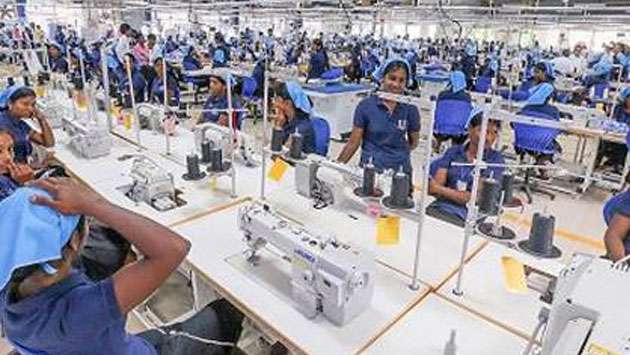
Sri Lanka’s garment industry is set for a fresh export boost after sweeping reforms to the United Kingdom’s Developing Countries Trading Scheme (DCTS) came into force on January 1, granting tariff-free access to the UK market under far more liberal rules of origin. Under the revised framework, Sri Lankan apparel manufacturers can now source up to 100 percent of their raw materials from anywhere in the world while retaining zero-tariff entry to the UK, a significant departure from earlier requirements that mandated regional sourcing and multiple manufacturing processes within Sri Lanka.
The changes are expected to sharply enhance the competitiveness of Sri Lanka’s largest export sector, which already accounts for more than 60 percent of the country’s exports to the UK and supports around one million livelihoods.
“The reforms that are now in force demonstrate the UK’s commitment to creating shared prosperity through trade partnerships,” British High Commissioner to Sri Lanka Andrew Patrick said, noting that simplified rules of origin would improve market access, support export diversification and underpin Sri Lanka’s growth ambitions. He urged exporters to better utilise the DCTS and fully leverage zero-tariff access.
Beyond garments, the reforms introduce an Asia Regional Cumulation Group covering 18 countries, allowing Sri Lankan exporters in other sectors to source inputs from a wider regional base while maintaining preferential access to the UK. More than 90 percet of products exported from Sri Lanka are now eligible for zero tariffs under the scheme.
Industry leaders said the move removes a structural disadvantage that had constrained Sri Lanka’s apparel sector in global supply chains. Yohan Lawrence, Secretary General of the Joint Apparel Association Forum (JAAF), said the reforms level the playing field by eliminating earlier sourcing restrictions.
“This is a significant boost to our export potential in a key market,” Lawrence said, adding that the industry is keen to work with buyers and manufacturers to translate the policy shift into tangible growth.
The UK is Sri Lanka’s second-largest garment export destination, with shipments valued at about US$ 675 million. Exports are expected to rise under the new arrangements, particularly as manufacturers gain flexibility to optimise costs, materials and production timelines.
President of the Council for Business with Britain (CBB) Mark Surgenor said, while apparel stands to benefit most immediately, other export sectors should also capitalise on the expanded scheme. He said the CBB plans to step up information sessions to improve awareness and utilisation of the DCTS among Sri Lankan businesses.
The reforms follow sustained lobbying by the Sri Lankan government, industry bodies and exporters, and come at a time when Colombo is under pressure to accelerate export-led growth and diversify markets amid ongoing economic restructuring.
For Sri Lanka’s apparel sector — long a pillar of foreign exchange earnings — the UK’s liberalised trade rules offer not just tariff relief, but a strategic opening to reposition itself more aggressively within global value chains.