Wild Elephants of Sri Lanka-by Kalani-eLanka
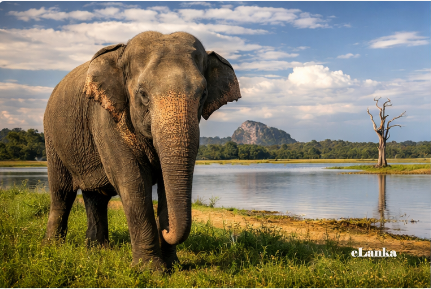
Sri Lanka is home to one of the most important populations of wild elephants in Asia. The Sri Lankan wild elephant, a subspecies of the Asian elephant, plays a vital role in the country’s natural ecosystems and cultural heritage. These majestic animals are deeply respected and are considered a national treasure.
Habitat and Distribution
Wild elephants in Sri Lanka mainly inhabit dry zone forests, grasslands, and scrublands. They are commonly found in national parks and protected areas such as Yala, Udawalawe, Wilpattu, Minneriya, and Kaudulla. Seasonal water sources and food availability influence their movement, often leading to large gatherings during the dry season, especially around reservoirs.
Physical Characteristics
Sri Lankan elephants are among the largest Asian elephants. They have dark grey skin with patches of depigmentation on the ears, face, and trunk. Unlike African elephants, both male and female Asian elephants have smaller ears, and only some males develop long tusks.
Behavior and Diet
Wild elephants are highly social animals that live in herds led by a matriarch. They communicate using sounds, body language, and vibrations through the ground. Their diet consists mainly of grasses, leaves, bark, fruits, and roots. An adult elephant can eat over 100 kilograms of vegetation and drink large amounts of water each day.
Human–Elephant Conflict
One of the major challenges facing wild elephants in Sri Lanka is human–elephant conflict. As human settlements and agriculture expand into elephant habitats, encounters increase, leading to damage to crops, property, and sometimes loss of life on both sides. Conservation authorities and communities are working together on solutions such as electric fences, early warning systems, and sustainable land-use planning.
Conservation Importance
Protecting wild elephants is crucial for maintaining ecological balance. Elephants help shape forests by dispersing seeds and creating pathways for other animals. Conservation programs, legal protection, and public awareness are essential to ensure the survival of these gentle giants for future generations.
Conclusion
Wild elephants are a symbol of Sri Lanka’s rich biodiversity and cultural identity. Safeguarding them means protecting not only a species but also the natural heritage of the island. With responsible conservation efforts and coexistence strategies, Sri Lanka can continue to be a safe home for its wild elephants.